AI is changing security testing, but not all vulnerabilities are created equal
AI is transforming vulnerability detection, yet expert-led hardware security testing remains indispensable.
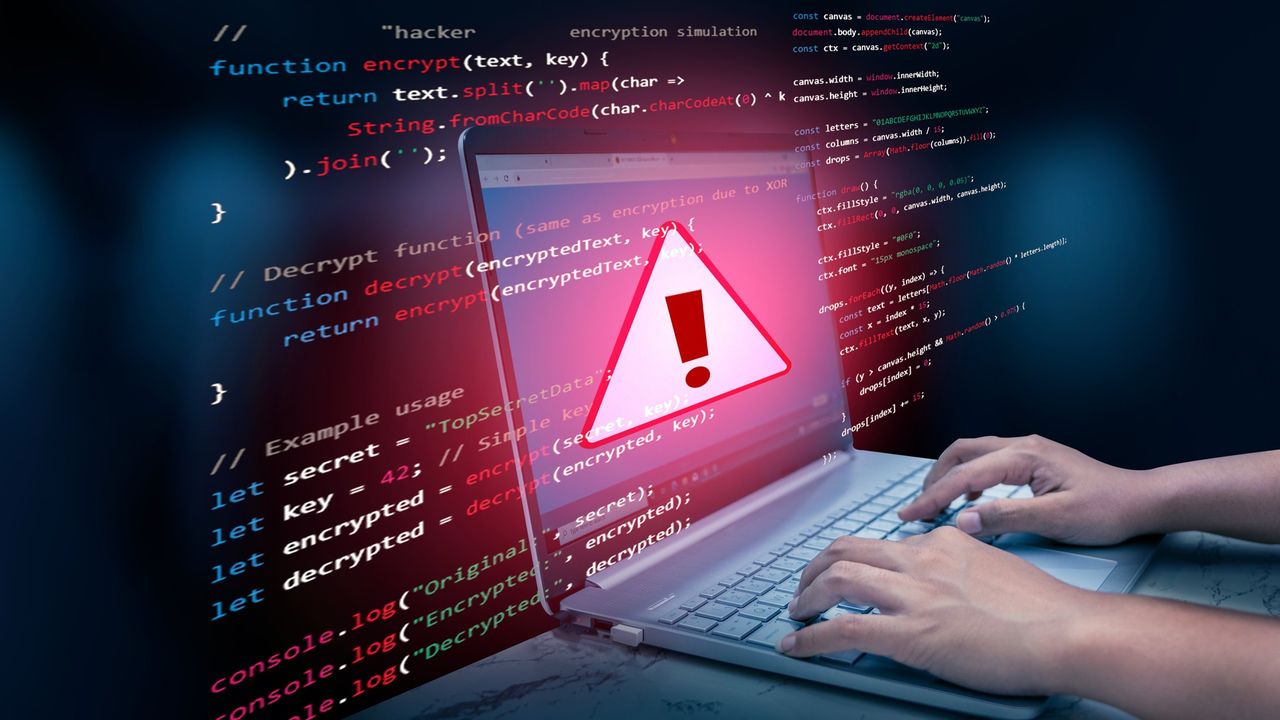
Artificial intelligence is revolutionizing the realm of cybersecurity, with security testing emerging as a key area of transformation. In the past, developers primarily relied on large language models for code creation, but AI's impact is now felt more prominently in identifying vulnerabilities. The nature of modern software, characterized by large, interconnected codebases and complex interactions between components, presents challenges for traditional security evaluations.
Human reviewers, while skilled in in-depth analysis, are limited by time and cognitive capacity. AI, however, can swiftly traverse extensive codebases, correlate information across repositories, and pinpoint patterns associated with known vulnerability classes. This capability is particularly potent for common software weaknesses such as memory-safety issues, race conditions, authentication flaws, insecure API usage, and privilege escalation paths.
By accelerating vulnerability identification, AI is altering the landscape of product security. Organizations can no longer assume that hidden vulnerabilities will go unnoticed due to the high cost of discovery. As AI-driven testing becomes more affordable, it becomes crucial for ongoing assurance throughout the development process.
However, not all aspects of cybersecurity are being equally transformed by AI. Hardware security, especially side-channel analysis of cryptographic implementations, presents a distinct set of challenges. Unlike software systems, cryptographic implementations operate within a well-defined mathematical framework. Side-channel attacks exploit subtle physical phenomena, such as execution timing, power consumption, or electromagnetic emissions, rather than exploiting unexpected program behavior.
The challenge lies in extracting meaningful insights from meticulously collected measurements using sophisticated statistical techniques. While AI can enhance certain aspects of side-channel analysis, such as automating experiments and aiding data interpretation, its impact is generally incremental rather than revolutionary. This distinction highlights the continued importance of specialized testing methods for hardware security.
AI may lower barriers for software vulnerability discovery, leading organizations to assume that automated tools can provide comprehensive assurance. However, different vulnerability classes necessitate specialized expertise. An AI-assisted code review may detect a memory corruption bug, but it is improbable to replace the specialized knowledge required to assess whether a cryptographic implementation leaks secrets through power analysis.
The broader implication is that security testing is gaining greater significance, but AI is not diminishing the necessity for expert analysis. Instead, it is reshaping where that expertise is most impactful. Organizations that integrate AI-assisted testing with thorough human-led security evaluation will be better equipped to navigate the evolving threat landscape, whether the target is a cloud application, an embedded device, or the cryptographic hardware that supports digital trust.
Written by urgent.news from TechRadar's reporting — not their text. Machine-written — may contain errors; check the original before relying on it.