AI fears are fueling the ‘handmade’ branding trend
By now you’ve probably already noticed it in some of the brands you use daily—“hand-drawn” typography or hastily scanned textures layered over otherwise unremarkable photos. Maybe your cleaning product brands use visual references from a time when “things were easier,” like hand-painted signage and retro illustrations. Or they’re using imperfect blobby type that’s supposed to help designs feel…
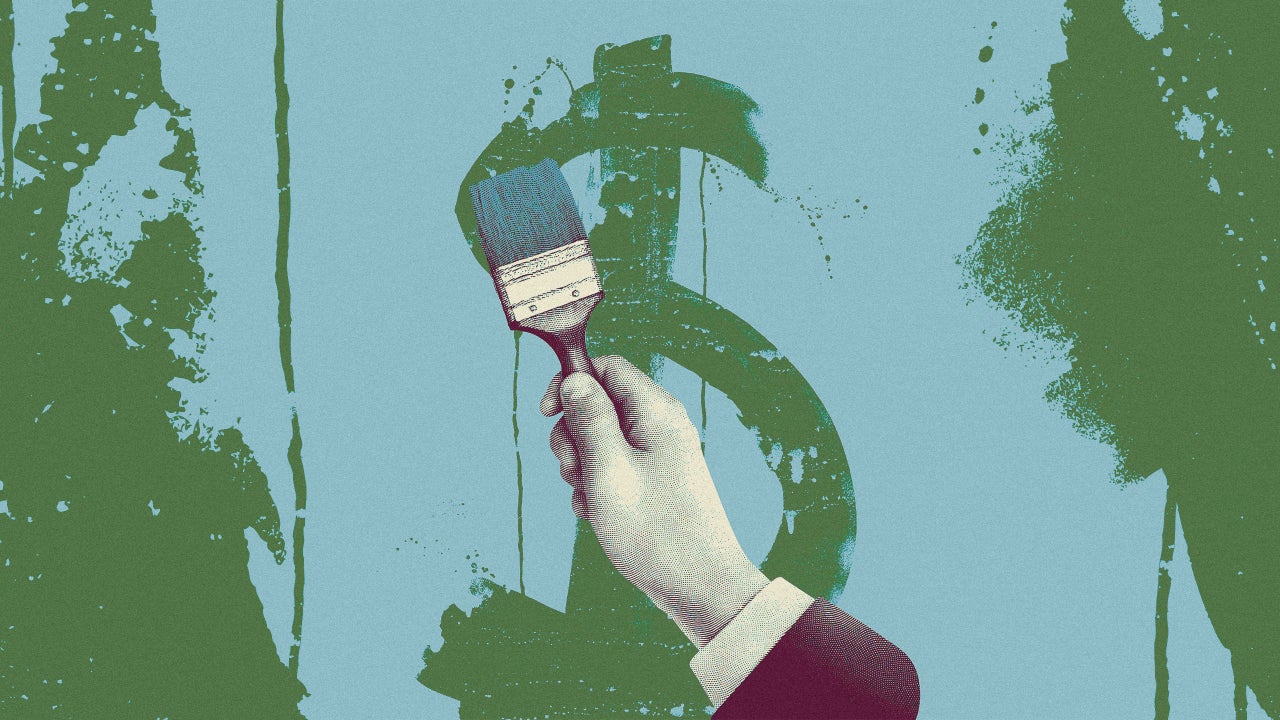
The "handmade" branding trend has been gaining popularity in recent years, with many brands incorporating hand-drawn elements or textures to convey a sense of humanity and authenticity. However, some argue that this trend has become overly exaggerated and forced, ultimately failing to serve a genuine purpose. Panera Bread's recent use of polished swash typography and St. Regis's collection of ultra-luxury brands with hand-drawn elements are examples of this trend going too far.
Designers often lean towards their passions, and with AI being both threatening and exploitative to many in the design community, there is a natural inclination to distance themselves from digital elements. However, this excessive use of hand-drawn, handcrafted elements can create a problem for brands trying to express their human-centered values, offerings, or services. While hand-drawn and hand-crafted elements have their place in design, they should be used thoughtfully and in the right context.
The trend of using fake craft to make brands feel more human is part of a larger pattern seen before, such as skeuomorphic design and the grunge movement. While these trends provided a sense of familiarity and connection, they eventually became excessive and lost their impact. The latest trend of using fake craft is another example of this, and designers need to be cautious not to fall into the same traps.
To avoid this, designers should root their ideas in the context of the project, consider what it means to be "human" in the given situation, collaborate with AI agents like they would with other designers, and embrace depth and variation in their brands. By doing so, designers can create more authentic and meaningful expressions that truly resonate with audiences.
Written by urgent.news from Fast Company's reporting — not their text. Machine-written — may contain errors; check the original before relying on it.