Your holiday photos could help scammers figure out exactly where you are
AI can identify locations from holiday photos posted on Instagram and Facebook, giving scammers enough information to create convincing phishing messages about travel and card activity.
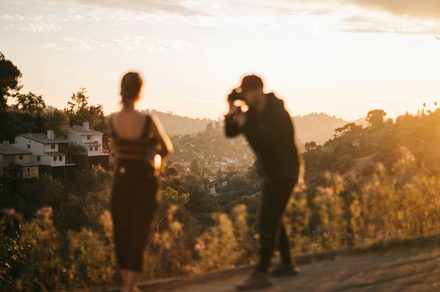
Holiday snaps may be used by scammers to identify where travelers are, enabling them to craft more convincing phishing messages. Researchers at McAfee analyzed over 21,000 travel images using AI models and found that 91% of the time, one model could accurately pinpoint the location, with another model at 87%. The models did not require location tags or metadata to determine the location; they used details like landmarks, street signs, storefronts, road markings and recognizable skylines.
Even seemingly generic images could reveal clues, such as a beach or hotel room giving away the country, which could be enough for scammers to create a convincing phishing message. Once scammers know the traveler's destination, they can use that context to make phishing messages appear more authentic, such as a fake bank alert about card activity or a suspicious login from the visited country.
McAfee's head of EMEA suggested waiting until the trip is over before posting holiday photos publicly or limiting them to friends and family. Additionally, don't click on links in suspicious messages claiming compromised bank accounts or cards. Instead, contact the bank directly through its official app, website, or the number on the back of the card.
While the AI race involves well-known names like OpenAI, Google, Meta, and Anthropic, Alibaba's Qwen family of open-weight AI models has gained significant traction, having crossed 3 billion downloads globally in the past six months, surpassing some of the biggest names in AI. Despite this, Meta is working to remove covertly recorded videos using Meta glasses, but the cleanup is proving challenging, as Business Insider discovered dozens of such videos still available on Instagram weeks after the announcement.
Written by urgent.news from Digital Trends's reporting — not their text. Machine-written — may contain errors; check the original before relying on it.