Why the Chinese yuan could soon be Africa’s most important currency
Africa is emerging as fertile ground for Beijing’s drive to make the yuan a major international currency and reduce reliance on the US dollar, as an increasing number of financial institutions deepen their integration with China’s payment network. Following talks in Beijing between Central Bank of Libya Governor Naji Issa and People’s Bank of China Governor Pan Gongsheng last month, the country’s…
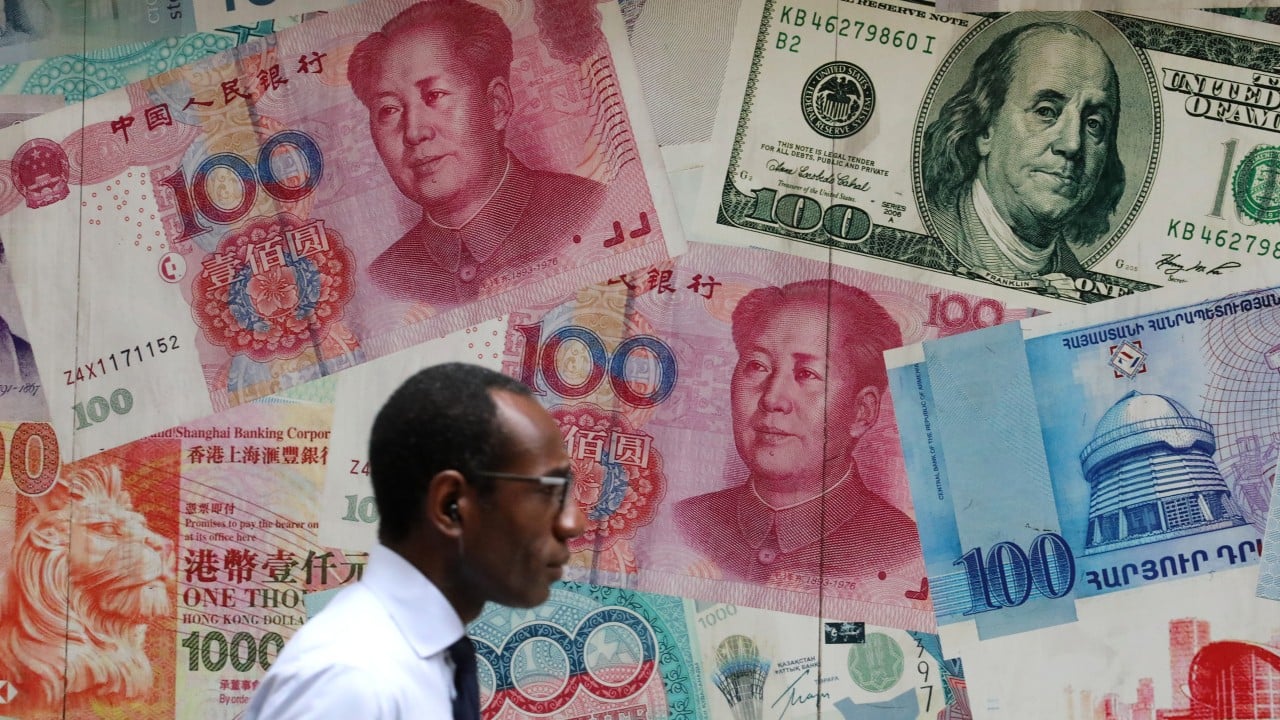
China is positioning the yuan as a key player in Africa’s financial landscape, in an effort to lessen dependence on the US dollar. Recent meetings between African central bank officials and Chinese counterparts have accelerated this shift. Notably, Libya recently joined China’s Cross-Border Interbank Payment System (CIPS), a move aimed at streamlining commercial transactions and boosting trade.
This system could also help Libya tap into China’s capital market through panda bonds, which are yuan-denominated debt sold within mainland China. Other African nations like African Export-Import Bank, South Africa’s Standard Bank, and Zambia are already part of CIPS. Zambia even began collecting taxes from Chinese mining firms in yuan, later sending the currency back to China for imports and loan repayments.
Angola’s Banco de Fomento, the country’s largest commercial lender, is set to join CIPS soon, following the Angolan central bank’s decision to allow yuan usage by commercial banks. China is Africa's largest trading partner and the continent’s primary financier, with bilateral trade reaching $203.5 billion in the first half of the year.
China’s push is also facilitated by currency swap agreements with African nations like Nigeria and South Africa. Kenya has already converted its railway debt to yuan, while Ethiopia and Mozambique are in talks for similar restructurings. China’s influence in Africa is further bolstered by its role as Africa’s largest trading partner and the primary financier of the continent’s major infrastructure projects.
The adoption of the yuan over third currencies like the US dollar or euro could potentially boost trade, says Lauren Johnston, a China-Africa relations specialist. Standard Bank, which is 20% owned by the Industrial and Commercial Bank of China, has already processed $1.2 billion worth of yuan transactions across 19 African nations via CIPS.
This expansion of the yuan-based payment system is part of China’s broader strategy to reduce reliance on the US dollar in international trade and create an alternative payment infrastructure.
Written by urgent.news from South China Morning Post's reporting — not their text. Machine-written — may contain errors; check the original before relying on it.