US-Iran war: Everything UAE's residents need to know today (August 16, 2026)
The conflict in the Middle East continues to affect travel, shipping and security across the Gulf, with the Strait of Hormuz remaining a key flashpoint. For people living in the UAE, however, the immediate impact is more likely to be felt through flight disruptions, changes to shipping routes and the knock-on effects on regional trade. Here are the main developments UAE residents need to know…
The Middle East remains caught in an ongoing conflict with serious implications for residents of the United Arab Emirates. While travel and shipping are being disrupted, the impact is most likely felt through flight delays, shifting shipping routes, and ripple effects on regional commerce. Here are the key points UAE residents need to be aware of.
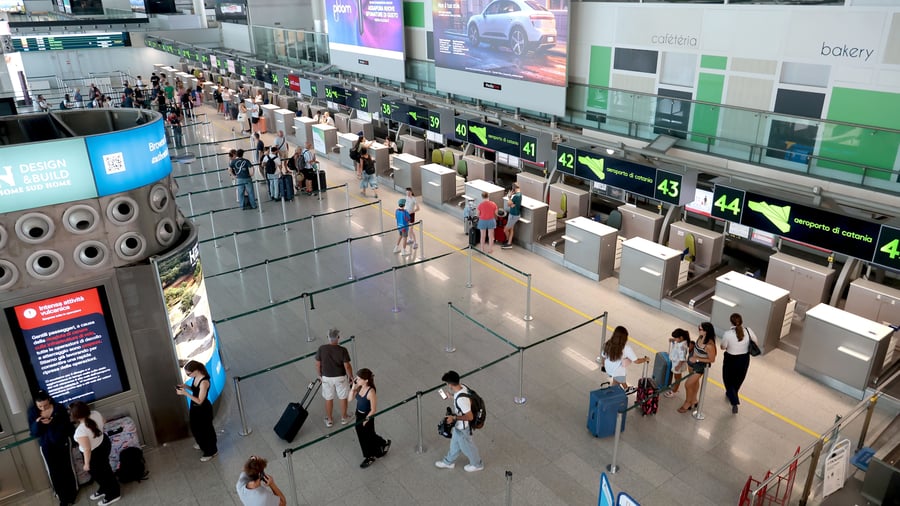
Most flights out of the UAE continue to operate, but travellers should anticipate some travel hiccups. Certain routes, particularly to Bahrain and Kuwait, are experiencing cancellations and schedule changes as airlines adapt to the evolving security situation. Before departing, check your airline's website or app for the latest information and stay alert for any last-minute changes.
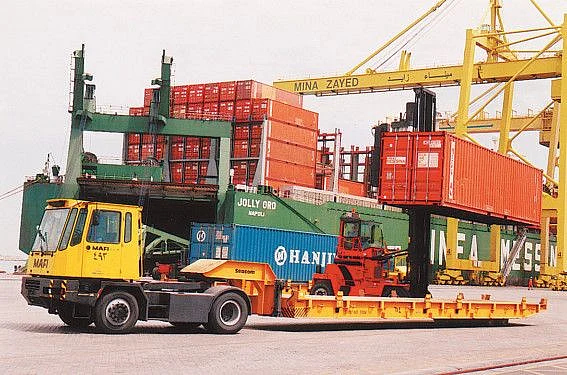
In response to the Strait of Hormuz turbulence, the AD Ports Group has been working overtime to keep trade flowing. They've expanded alternative cargo routes via sea, road, rail, and air, including rerouting through ports in Fujairah and Khor Fakkan on the Gulf of Oman. AD Ports has also beefed up trucking capacity, ramped up rail services with Etihad Rail, added more air-cargo options, and expanded warehousing.
These logistical measures aim to ensure essential goods, including food and medicine, keep moving despite the challenges.
The United States maintains a substantial military presence in the region. On August 15, US Central Command Commander Adm. Brad Cooper concluded a 10-day tour of the Middle East, visiting Bahrain, Iraq, Israel, Jordan, Saudi Arabia, and the UAE, along with a US Navy carrier in the Arabian Sea. Over 50,000 US service members are currently deployed across the Middle East. This ongoing US military footprint underscores the heightened tensions and signals the US remains deeply engaged.
In southern Lebanon, fighting has escalated sharply. Israeli strikes resulted in 11 deaths, including three children, according to Lebanese officials. This follows a truce with Hezbollah in June and marks the deadliest attacks since then. Israel claims the strikes were against Hezbollah infrastructure and commanders. The conflict has expanded into multiple regional fronts, capable of rapidly deteriorating.
For most UAE residents, there's no need to alter daily habits based solely on these developments. However, travellers should double-check flight statuses before heading to airports, businesses should monitor logistics changes, and everyone should rely on official UAE announcements and trusted news sources. Above all, avoid spreading unverified claims about attacks, airspace closures, or security incidents. In this fast-evolving crisis, information can become rapidly outdated.
Written by urgent.news from Gulf News's reporting — not their text. Machine-written — may contain errors; check the original before relying on it.