Unprecedented penguin vaccine program begins, but is it too late?
Wildlife officers aim to save a famous penguin colony from bird flu, but the spread of the virus has dealt their plans a significant blow.
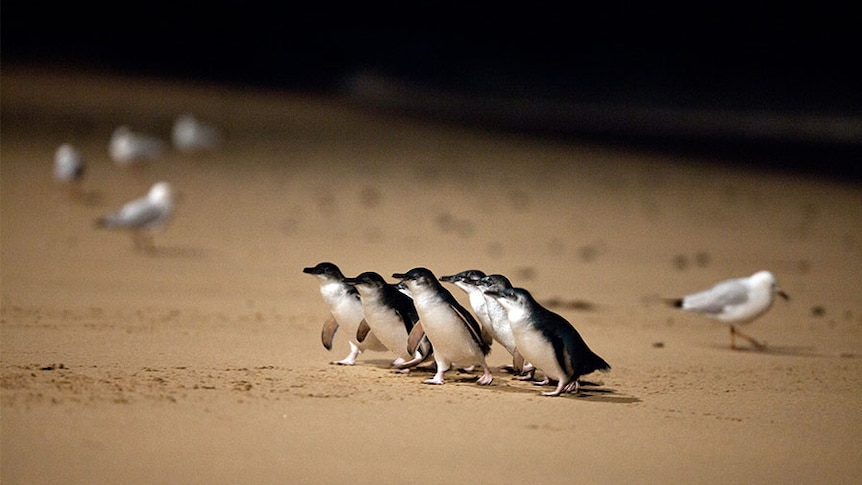
Victorian wildlife officers are embarking on an unprecedented vaccination campaign to protect penguins from a lethal strain of bird flu sweeping through Australia. The ambitious effort aims to save a world-renowned penguin colony from the dire prediction that the H5 bird flu could wipe out thousands of birds. The program, targeting over 5,000 penguins across St Kilda and Phillip Island, is said to be the largest ever for wildlife.
However, the vaccine rollout was affected by the tragic death of a little penguin just days before it began. Little penguins, the world's smallest species, have been the focus of significant conservation efforts, with their nightly return to Phillip Island being a major ecotourism attraction. The colony's significance is immense, with more than 700,000 people visiting last year, contributing millions to the economy.
A research paper modeled the threat of H5N1 to the 40,000-bird Phillip Island colony, warning of between 8,000 and 16,000 potential fatalities under a worst-case scenario. Vaccinating wild animals presents challenges, as they require two doses, which is impractical for most. The program prioritizes birds accustomed to human interaction, simplifying efforts.
The penguin parade shows are set to continue, but the timing of the vaccine rollout has been questioned, as the virus had already spread to Phillip Island and killed a penguin. Despite the potential effectiveness of vaccination, experts warn it is not a cure-all and should be paired with other mitigation strategies.
Written by urgent.news from ABC News AU's reporting — not their text. Machine-written — may contain errors; check the original before relying on it.