Two debates, one household: The politics of family in Japan
In the traditionalist reading, all 126 emperors descend from the first through fathers only, an unbroken mythical chain reaching back more than 2,600 years.
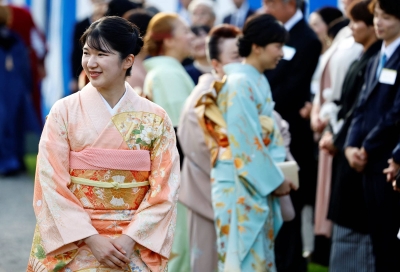
The Japanese Upper House recently passed the first major change to the Imperial House Law since its establishment in 1947. From October 24, the imperial family will be able to adopt male-line descendants from the 11 princely branches that lost their royal status following World War II. However, these adopted individuals will not have the right to inherit the throne.
Women in the imperial family will also be able to keep their titles even if they marry commoners. The law, however, still does not permit women to inherit the Japanese throne. Despite this, there is a significant public push for change. A poll conducted by the Mainichi Shimbun in June found that more than 70% of respondents supported the idea of a female emperor, with Kyodo News reporting even higher support at 83%.
This public sentiment contrasts with the political reality, as the Liberal Democratic Party, which currently holds 316 seats in the Lower House, is led by Prime Minister Sanae Takaichi, a strong advocate for maintaining male-only succession.
Written by urgent.news from Japan Times's reporting — not their text. Machine-written — may contain errors; check the original before relying on it.