These graphs show why Ebola outbreak is on track to be worst in history
WHO director-general Tedros Adhanom Ghebreyesus says many of the deaths occurring in the Democratic Republic of Congo are happening outside of known transmission chains, meaning the outbreak is a long way from being brought under control.
The Ebola outbreak in the Democratic Republic of Congo (DRC) is poised to become the deadliest in history, with the director-general of the World Health Organization, Tedros Adhanom Ghebreyesus, warning on Wednesday that it could surpass the 2014-2016 West Africa epidemic, which claimed over 11,000 lives. Currently, the DRC outbreak has resulted in 2,214 deaths from 4,727 confirmed infections, with 85% of those fatalities occurring in the conflict-ridden Ituri province in the northeast.
The virus, which causes flu-like symptoms followed by vomiting, diarrhea, and potentially organ failure, has outpaced previous outbreaks in speed and transmissibility, overwhelming the local healthcare system. Researchers believe the current outbreak may have begun two to three months before its official declaration on May 15, with some initial cases potentially misdiagnosed as malaria or typhoid.
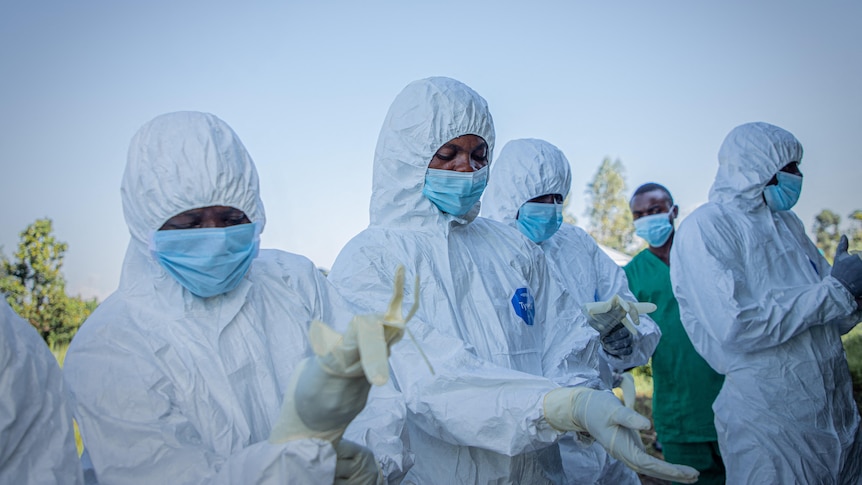
The lack of rapid testing kits for the specific Bundibugyo strain of Ebola, combined with a shortage of reagent chemicals, has led to delays in diagnosis and an inability to effectively isolate suspected cases. Health workers in the DRC face significant challenges, including an under-resourced workforce, lack of protective equipment, and ongoing security concerns due to the civil war in Eastern DRC.
Written by urgent.news from ABC News AU's reporting — not their text. Machine-written — may contain errors; check the original before relying on it.