The great matcha rivalry: Can Japan’s centuries-old tradition hold its own against China’s scale?
From New York to London, the world cannot seem to get enough matcha. The boom has revived Japan’s tea industry but also exposed the limits of its supply. Now China, already the world’s biggest producer, sees an opportunity to scale up.
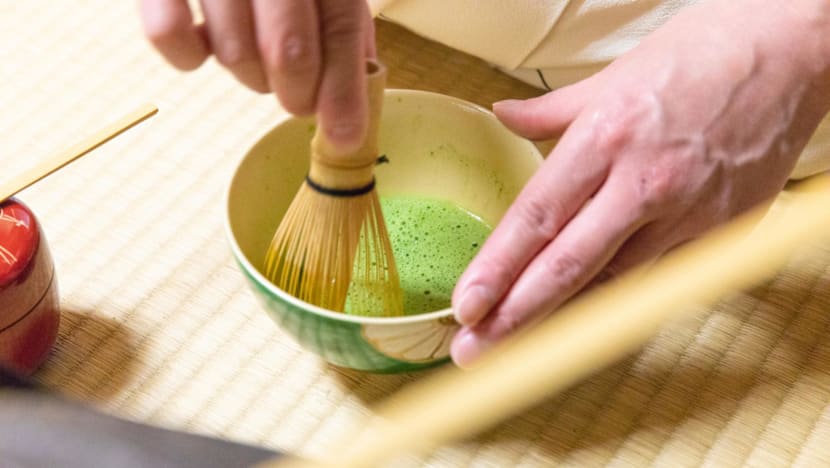
In the world of matcha, a centuries-old Japanese tradition faces competition from China's expanding production capabilities. Japan's tea industry has seen a resurgence due to the worldwide demand for matcha, but supply has struggled to keep up with the surge in demand. Horii Shichimeien, a historic tea store in Uji, Japan, exemplifies this challenge – their award-winning matcha tins now cost nearly US$170 each, a five-fold increase from five years ago.
Uji, located in Kyoto Prefecture, has become the epicenter of Japan's prized matcha. However, producing this delicate tea is a painstaking process. The tencha, or tea leaves, are grown under shade for 20 to 40 days before harvest, then steamed, dried, and ground using traditional stone mills. The grinding process is so labor-intensive that only 40g of matcha is produced per hour at each mill. To meet peak demand, 10 mills at Horii Shichimeien's plant run continuously, often through the night.
China, the world's largest matcha producer, has seized the opportunity to scale up its production to meet the global demand. In the province of Guizhou, farmers have found new livelihoods in matcha cultivation, earning up to 100 yuan (US$15) a day. Tongren, a city in Guizhou, produces roughly a fifth of China's matcha, accounting for about 70% of global supply.
China's matcha manufacturers, such as Gui Tea, have capitalized on the international market, with over half of Gui Tea's production exported to more than 50 countries, including Japan.
While China's matcha production offers a cost-effective solution for the global market, Japan's matcha remains closely tied to its unique traditions and regional identity. The city of Uji, once struggling with low demand and low prices, has seen a matcha boom that has attracted tourists and revitalized the local economy. As Japan's tea tradition endures, the competition from China's scale presents both a challenge and an opportunity for Japan's matcha heritage.
Written by urgent.news from Channel News Asia's reporting — not their text. Machine-written — may contain errors; check the original before relying on it.
Also reported by 1 other outlet
- India hold China to 2-2 draw in Hockey opener economictimes.indiatimes.com