Stalemate on the strait as deadline for US-Iran agreement expires
The 60-day deadline that the US and Iran had set to reach a longer-term peace deal has expired with neither side giving ground on the big issues nor willing to extend the window for further negotiations. When US President Donald Trump announced two months ago that his administration had reached an interim agreement with Iran to end the war and reopen the Strait of Hormuz, he sounded optimistic.…
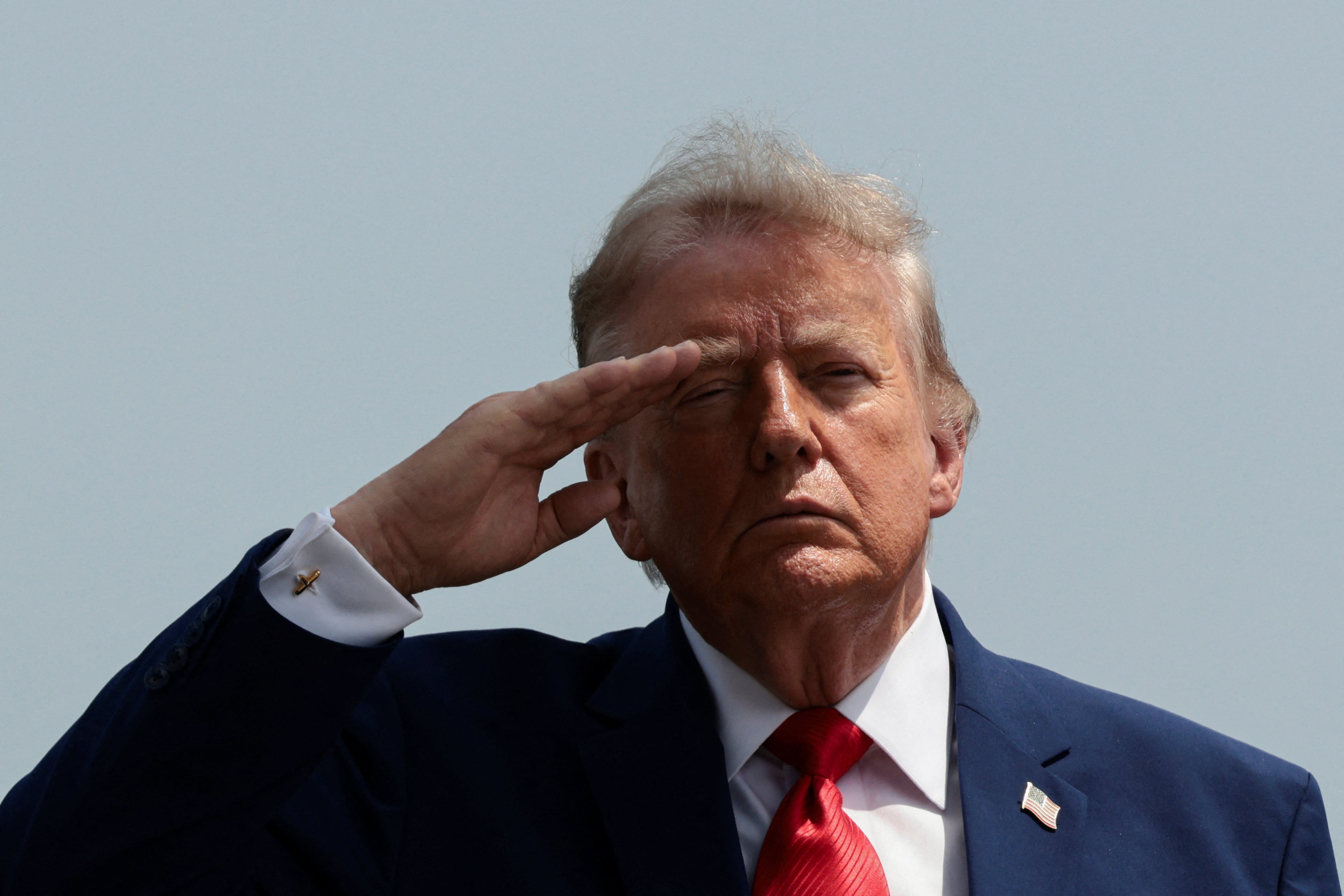
The clock struck midnight on the 60-day deadline set by the US and Iran to finalize a peace deal, and both nations remained steadfast in their positions. President Donald Trump, who had initially expressed optimism about the interim agreement, now expressed frustration, stating that no one was available for negotiations. Iran's Deputy Foreign Minister, Kazem Gharibabadi, responded by asserting that the Strait of Hormuz, through which a significant portion of the world's oil supply passes, remained under Iranian control.
The 14-point memorandum of understanding signed in June formed an interim framework for concluding the war and negotiating a long-term nuclear agreement. However, Iran refused to extend the ceasefire because it did not view the 60-day pact as officially starting, according to a senior Iranian source. The agreement began to disintegrate due to disagreements over implementation and Hormuz control.
Political economist Nader Itayim questioned the relevance of the August 17 date, stating that the Memorandum of Understanding had expired weeks ago. Both sides had made this clear. If they somehow reach an agreement, calling it an extension would be absurd. The MOU had failed.
Trump's election promise to reduce energy costs and his Democratic rivals' focus on rising prices and war consequences in the upcoming midterm elections added pressure. Trump compared the Iran conflict to the US operation in Venezuela, claiming that economic and military pressure could force Tehran to negotiate. However, Iran's ability to control the Strait of Hormuz made it a particularly challenging opponent.
The six-month conflict has caused market disruptions, driven up fuel, food, and other goods' costs, and eroded Trump's argument of delivering economic prosperity. Iran pushed for Lebanon to be included in the agreement, but Israel, not officially part of the interim deal, retaliated with strikes that killed 11 people, further weakening the chances of a lasting ceasefire.
Iran's weakened economy, coupled with US and Israeli military actions, has not compelled Tehran to concede. President Trump now aims to impose additional economic pressure, with the US Treasury Secretary announcing harsh measures against Tehran in the coming week. The impasse between the US and Iran appears likely to persist.
Written by urgent.news from The National Business's reporting — not their text. Machine-written — may contain errors; check the original before relying on it.
This story
This is one outlet's version. Read the fullest account.
- Stalemate on the strait as deadline for US-Iran agreement expires thenationalnews.com