Russia's accelerating Starlink rival development means that war in space is not just probable; it's inevitable
Rapidly-expanding Rassvet raises concerns about stronger drone communications and forcing Ukraine to consider responses beyond conventional battlefield defenses.
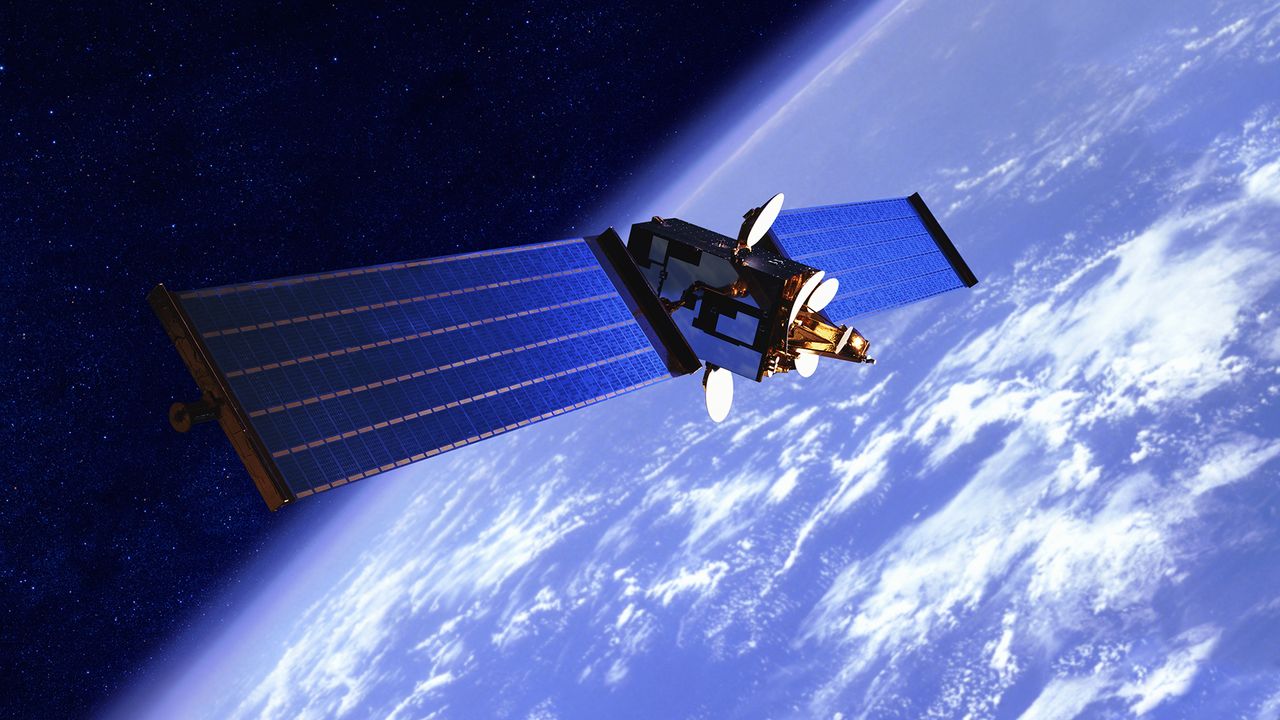
Russia's satellite program, Rassvet, is advancing at a pace that has exceeded Ukrainian intelligence's predictions. The program aims to provide Moscow with the same persistent, real-time coverage that Starlink has offered to Ukraine for over three years. As of March 2026, Russia had launched 16 satellites into low Earth orbit, with plans to expand this number to 924 by 2035.
Currently, Rassvet operates intermittently, providing coverage only when a satellite passes over Ukrainian territory. However, a fully deployed constellation would allow Russian forces to coordinate drone strikes and share targeting data without relying on ground infrastructure. Ukrainian Defense Intelligence is now considering how to respond once Rassvet reaches full capacity, but specific strategies have not been disclosed.
Disrupting the satellite network could prove challenging, as electronic warfare is less effective against satellites. Russia's satellite expansion coincides with the development of turbojet-powered Geran-4 and Geran-5 attack drones, which are expected to play a significant role in future conflicts. Plans are also underway to implement mesh networking, which would enhance the coordination of drone swarms.
However, there is currently no independent verification of the satellite figures, and no public comments from Russia on these developments. The response to Rassvet may extend beyond conventional means, with potential impacts on both orbit and terrestrial warfare.
Written by urgent.news from TechRadar's reporting — not their text. Machine-written — may contain errors; check the original before relying on it.