Russia might not win the prolonged ‘war of attrition’ against Ukraine, Moscow's chief economist warns: Here's why
Russian economist Andrei Klepach warned that Moscow may struggle to defeat Ukraine in a prolonged war of attrition as sanctions, military spending and Ukrainian strikes weigh on the economy. He also warned of slowing growth, rising costs and a potential social crisis.
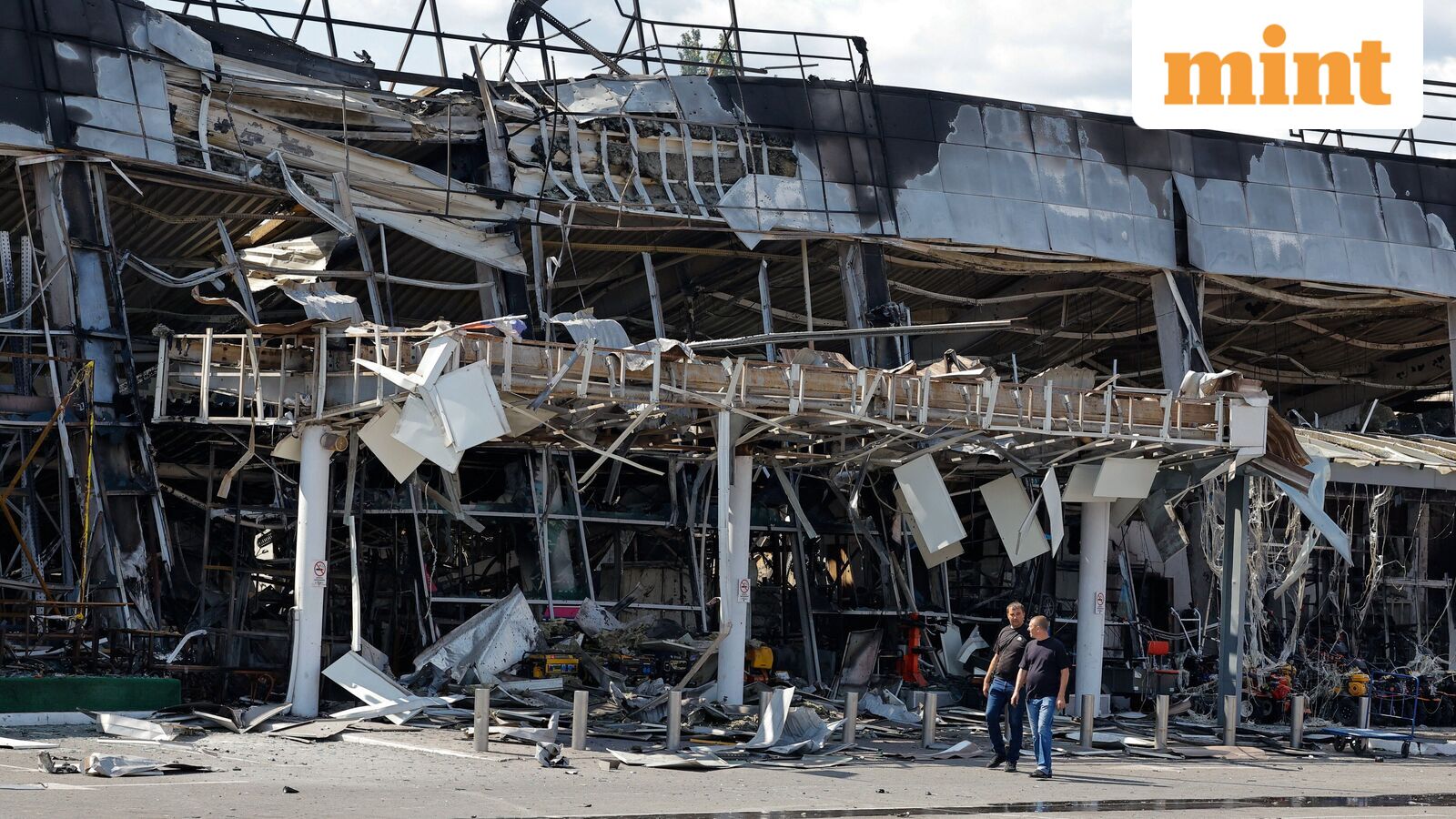
Andrei Klepach, chief economist at Russia's Vnesheconombank, has warned that Russia may not emerge victorious in a prolonged war of attrition against Ukraine, despite massive investments in the defense industry. Klepach cited soaring economic costs from Western sanctions and Ukrainian attacks on key infrastructure, which are causing significant damage.
He noted that Russia is falling behind globally in technological development, losing both economic and technological competition to countries like China and the US, and even to Ukraine itself.
Klepach highlighted that Ukraine's economy, while partially destroyed, is still surviving due to financial assistance. He emphasized that the cost of military spending and Ukrainian expenses now account for nearly half of Russia's budget. The chief economist pointed out that following a military boom in 2023-2024, Russia's economy entered a recession, with declining investments and a decline in civilian industries such as aviation, construction materials, light industry, and food production.
The Central Bank of Russia's strict policies have exacerbated the economic downturn, accounting for roughly half of it. Klepach warned that the five-year conflict with Ukraine is showing no signs of ending and that Russia's potential economic growth rate may not exceed 1 or 1.5 percent, leading to a potential social crisis. He suggested that the mounting losses from Ukrainian strikes on Russian infrastructure are becoming a significant macroeconomic barrier to growth.
This assessment aligns with concerns raised earlier about Russia's struggling economy, with grocery prices for essentials like eggs and vegetables rising sharply.
Written by urgent.news from Live Mint's reporting — not their text. Machine-written — may contain errors; check the original before relying on it.