Space: What can Europe's Starlink Iris2 do?
Super-secure, fast, multi-orbital: The EU's satellite constellation is a technically ambitious project. The key questions and answers about European internet from space.
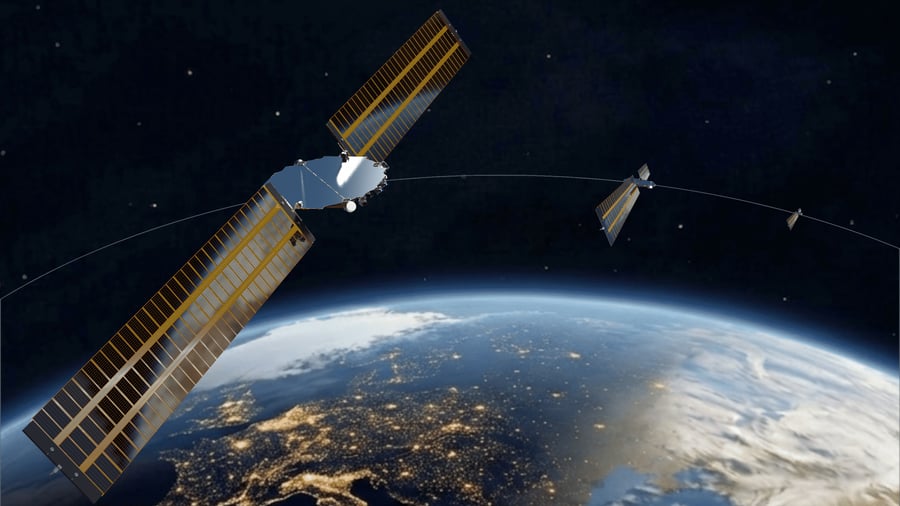
SpaceX has been working on providing internet from space for over two decades, with its Starlink satellite network now generating $4.3 billion in quarterly revenue. The company's success is attributed to its technical expertise and efficient rockets that can launch satellites into orbit at a relatively low cost. The European Union is now planning to build an alternative, called Iris2, which stands for "Infrastructure for Resilience, Interoperability and Security by Satellites" squared. Iris2 aims to provide a similar service to Starlink.
Written by urgent.news from Handelsblatt's report — not a translation of it. Machine-written — may contain errors; check the original before relying on it.
Also reported by 1 other outlet
- Space: What can Europe's Starlink Iris2 do? handelsblatt.com