Urgent.News

What's breaking now, across thousands of outlets.

World

PMAY-U 2.0: Kerala's 30,000 beneficiaries may get Rs 4 lakh housing assistance

Kerala's Cabinet has officially greenlit the second phase of the Pradhan Mantri Awas Yojana-Urban 2.0, paving the way for around 30,000 eligible beneficiaries to gain significant housing aid. The state plans to ink a Memorandum of Understanding with the Central government, which will unlock Rs 450 crore in financial support for this housing initiative. The completion of phase one is projected for…

PMAY-U 2.0: Kerala's 30,000 beneficiaries may get Rs 4 lakh housing assistance

Kerala has approved the implementation of the second phase of the Pradhan Mantri Awas Yojana-Urban 2.0, which will benefit around 30,000 beneficiaries. The state Cabinet recently approved the scheme, in line with the Centre's eligibility criteria. The state government will enter into an agreement with the Centre, securing Rs 450 crore in Central assistance.

The Centre will contribute Rs 1.50 lakh per beneficiary, while the state will contribute Rs 1 lakh, making the total assistance Rs 4 lakh per beneficiary. Beneficiaries will have to contribute 25% of the project cost. This arrangement differs from the existing PMAY-Urban LIFE scheme, where the state contributes Rs 2 lakh per homeless beneficiary owning land.

Written by urgent.news from Times of India's reporting — not their text. Machine-written — may contain errors; check the original before relying on it.


Read the original at timesofindia.indiatimes.com →

More in World

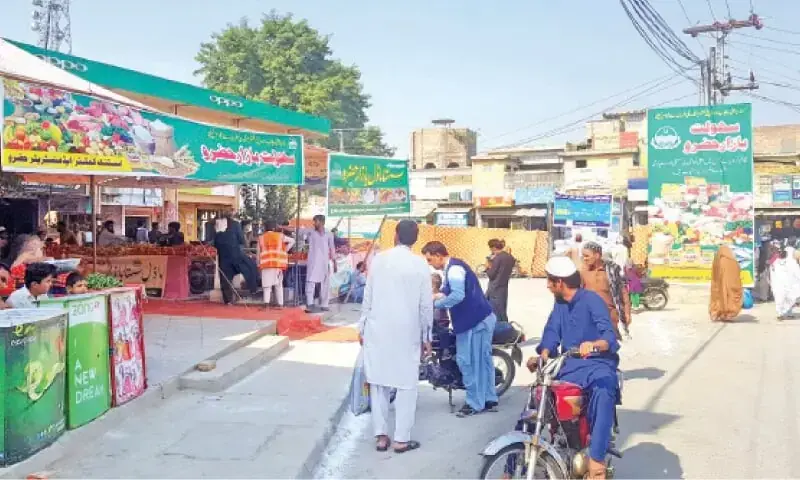
Questions raised over mysterious fire at Sahulat Bazaar in Kasur

KASUR: Questions have been raised over the mysterious fire that engulfed over two dozen shops at the Sahulat Bazaar near the Old Lorry Adda in the early hours of Saturday. Rescue 1122 said that a massive fire broke out in the wee hours that soon engulfed the entire market.

France's Constitutional Council on the 30th has decided that a law banning minors from using social networking services (SNS) is unconstitutional. The law in question was introduced by a group of lawmakers in early 2020. The law banned minors under the age of 15 from using SNS without parental consent. The Constitutional Council pointed out that the law restricts the right to freedom of expression and does not clearly define the age verification process, and thus decided that it is unconstitutional. The Constitutional Council's decision on this day has been attracting attention because it could have a significant impact on the global trend of regulating children's use of SNS. Recently, many countries have been actively discussing regulations on children's use of SNS. In the United States, Utah and Arkansas have passed laws regulating children's use of SNS, and other states are also preparing similar regulations. In the European Union, the Children's Online Protection Act was introduced in 2022, and it is currently being reviewed. In Korea, there have been several attempts to regulate children's use of SNS, but they have not been implemented yet. The decision by the French Constitutional Council is expected to have a significant impact on the global trend of regulating children's use of SNS. The French Constitutional Council's decision is being closely watched by many countries, including Korea, as it could affect their own regulations on children's use of SNS. The law that was deemed unconstitutional in France was proposed by lawmakers who wanted to protect children from the negative effects of SNS. However, the Constitutional Council decided that the law was too broad and did not clearly define the age verification process, and thus it was unconstitutional.

More from Sunday 16 August →