Op-ed: When the machines learn to dig
Capital is flooding into mining automation, from Caterpillar to Travis Kalanick. The winners won’t be the biggest buyers. They’ll be whoever solves integration first.
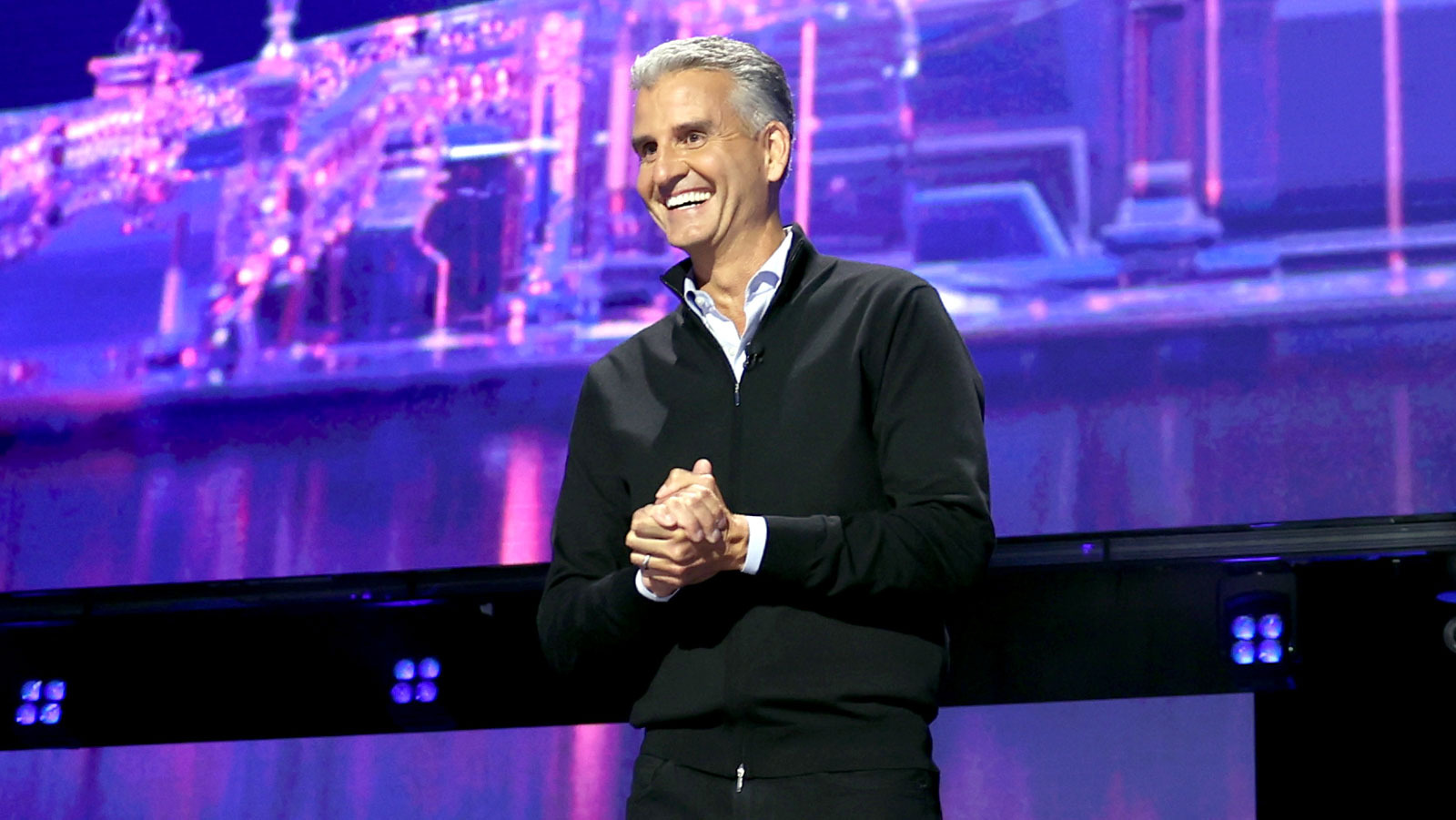
Travis Kalanick, a man with no prior experience in mining, has recently acquired Pronto, an autonomous haulage firm, as part of his company Atoms. With a substantial $1.7 billion investment led by Andreessen Horowitz, Kalanick is now a significant player in the mining industry. In 2022, Kalanick argued that the energy transition is essentially a metals transition, and that mining would require its own technological revolution to keep up with increasing demand.
This sentiment gained traction as acquisitions across the industry have become increasingly common, with Caterpillar's CEO, Joe Creed, emphasizing the importance of industrial AI in powering progress in the physical world.
The acquisition wave is being driven by three distinct groups. The first is traditional equipment manufacturers, such as Caterpillar, who are integrating software layers into their hardware to secure higher-margin, recurring revenue. The second group comprises consumables and civil engineering companies that are converging on the same territory, aiming to own the integrated mine-to-mill digital workflow. The third group is venture capitalists, like Atoms, moving into physical automation to build real-world AI models.
Despite the substantial investment, the industry is currently facing an operational bottleneck. Miners have amassed numerous isolated software applications for various aspects of their operations, including geology, fleet management, and processing. These applications operate in silos, making it difficult for miners to extract the return on investment they had anticipated.
While there have been rare success stories, such as Orica's significant earnings uplift in its Digital Solutions business, the broader sector has yet to see a meaningful return on the capital deployed.
As a result, acquirers are now focusing on two types of companies. The first is those that generate high-fidelity, real-time data at the point of operation, as AI models require real-time operational data to function effectively. Exum Instruments and Minpraxis are working on this problem, providing trace-level physical and chemical data generated on-site.
The second type is companies that provide unified spatial models, integrating geological, fleet, and environmental data into a single platform for predictive simulations, rather than relying on stale, disconnected records. Strayos and AiMinr are working towards this goal.
Mining executives and industry leaders all agree that digital tools and AI are necessary to drive real gains in performance. However, despite their investments in point solutions, machine-vision platforms, AI process optimizers, and specialized mine-planning software, these solutions have not been built to communicate with each other. As a result, integrating these disparate systems remains a significant challenge.
The first real test of this integration is taking place at a desert copper mine in Utah, where Mariana Minerals, backed by prominent investors, has restarted the previously idled Lisbon Valley copper operation. With autonomy built into production from the outset, Mariana Minerals is using Pronto's autonomous haul trucks and Sandvik's autonomous drilling under its own software layer.
The success of this project could potentially close the productivity gap in the mining industry. However, as this is a new and challenging endeavor, it remains too early to determine the long-term impact of this initiative.
Written by urgent.news from Mining.com's reporting — not their text. Machine-written — may contain errors; check the original before relying on it.