New surveys show central banks are ditching the dollar and buying more gold instead — should you follow along?
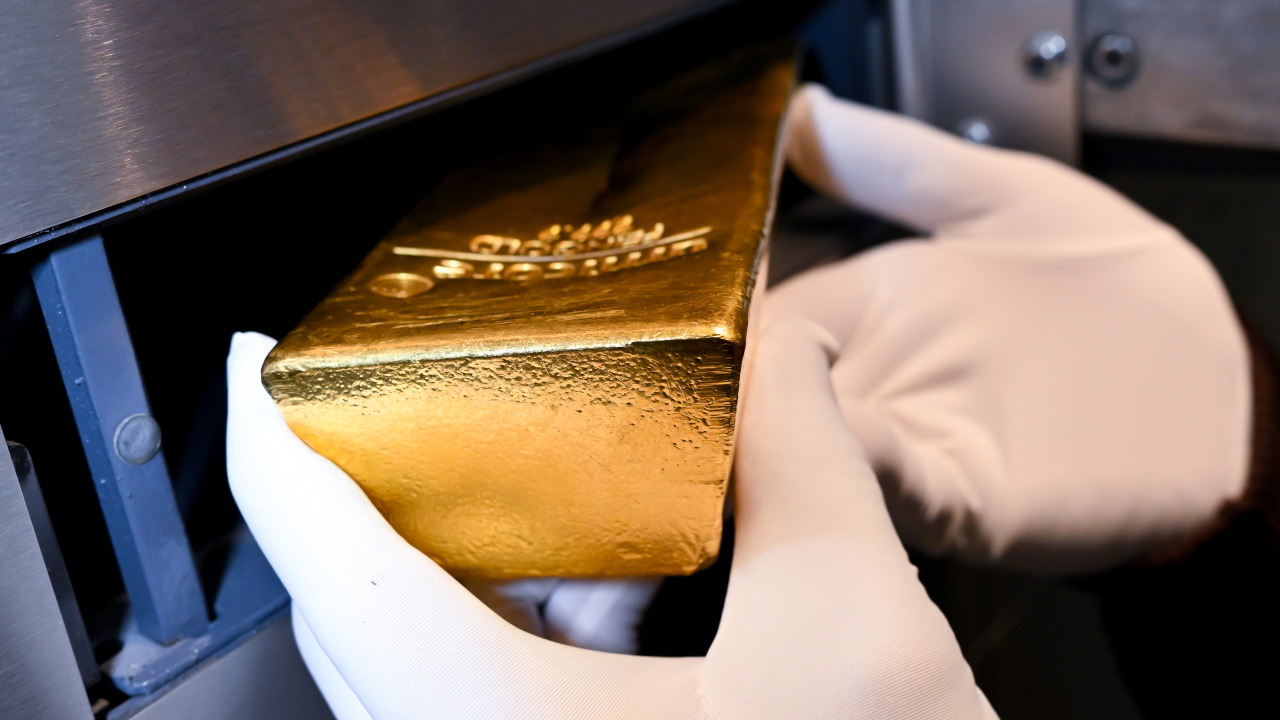
Recent surveys indicate central banks are increasingly buying gold while reducing their dollar holdings, a shift from decades of dollar dominance in global finance. The Official Monetary and Financial Institutions Forum (OMFIF) survey found more central banks plan to lower their dollar exposure over the next decade compared to increasing it.
Meanwhile, 74% of the World Gold Council's 2026 survey respondents expect the dollar's share of global reserves to fall within five years, while 89% anticipate central bank gold holdings will rise in the coming year. A record 45% of respondents also expect to increase their gold holdings.
Central banks have been buying an average of about 1,000 tonnes of gold per year over the past four years, roughly double the rate of the previous decade. Some central banks cite geopolitical tensions, government debt, and changing global trade relationships as reasons to diversify away from a single currency. Gold and other currencies offer a way to avoid over-reliance on a single financial system.
While gold has experienced volatility in price, central banks have continued to purchase it, highlighting its strong demand as a reserve asset. Financial experts argue that diversifying investments can mitigate risks associated with putting all assets in one basket. Investors can explore various options, such as self-directed Gold IRAs, to add precious metals to their retirement portfolios.
However, it is essential to understand that precious metals, like gold, do not pay dividends or interest and their prices can fluctuate based on various factors. Financial professionals view precious metals as one component of a broader investment strategy rather than a replacement for traditional assets.
Written by urgent.news from Yahoo Finance's reporting — not their text. Machine-written — may contain errors; check the original before relying on it.