Mexico in Numbers: Mexico’s biodiversity and honey production
Mexico is one of the world's top 10 exporters of honey, sourced from nearly 2,000 species of native bees that are also crucially important for pollination, writes Katy Alivraz. The post Mexico in Numbers: Mexico’s biodiversity and honey production appeared first on Mexico News Daily
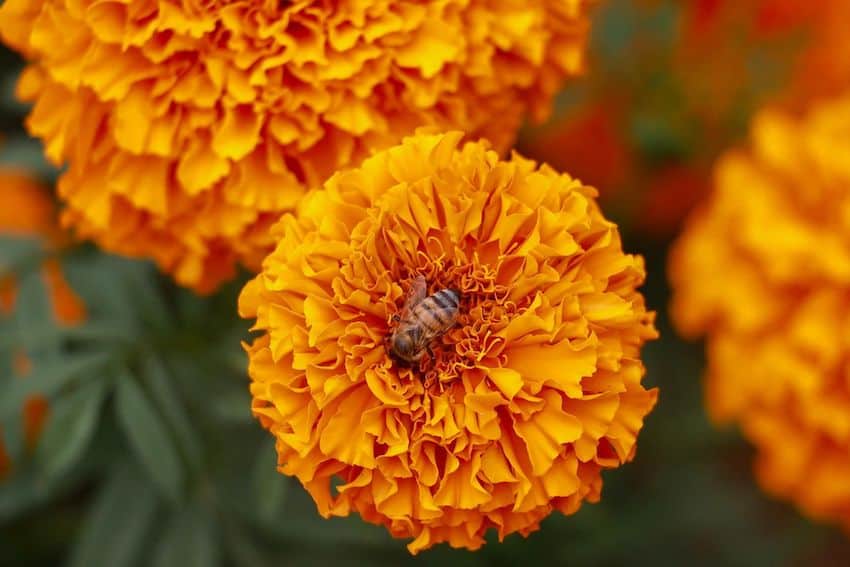
Mexico ranks fourth globally for biodiversity, home to over 10% of the world's species on just 1.5% of the planet's land. Its rich bee diversity makes Mexico one of the top hotspots for bee species, with an estimated 1,800 to 2,000 species, including stingless bees like the melipona bee. The country's forests cover 72.6% of its surface, with 138 million hectares of forest ecosystems.
Xerophytic scrub forests, found in arid and semi-arid regions, make up 40.5% of the forest ecosystems and are particularly abundant in Coahuila state. Rainforests account for 21.9% of Mexico's forest ecosystems, with mangroves covering 0.7% of the total forest area. Mexico plays a significant role in global honey production, producing 60,297 tons of honey in 2025, a 5% increase from the previous year.
The country is known for its diverse honey varieties, including mesquite, orange blossom, and mangrove honey, each with unique flavors and characteristics. With over 47,000 beekeepers and 2,322 certified organic producers, Mexico is the ninth-largest honey exporter globally, with Germany being a major buyer. Consuming locally produced honey supports Mexican beekeepers and contributes to the preservation of biodiversity.
Written by urgent.news from Mexico News Daily's reporting — not their text. Machine-written — may contain errors; check the original before relying on it.