Kannur airport plans 100-MW solar project
KIAL proposes 100-MW solar project on land acquired for second runway; EoI likely to be invited after government approval
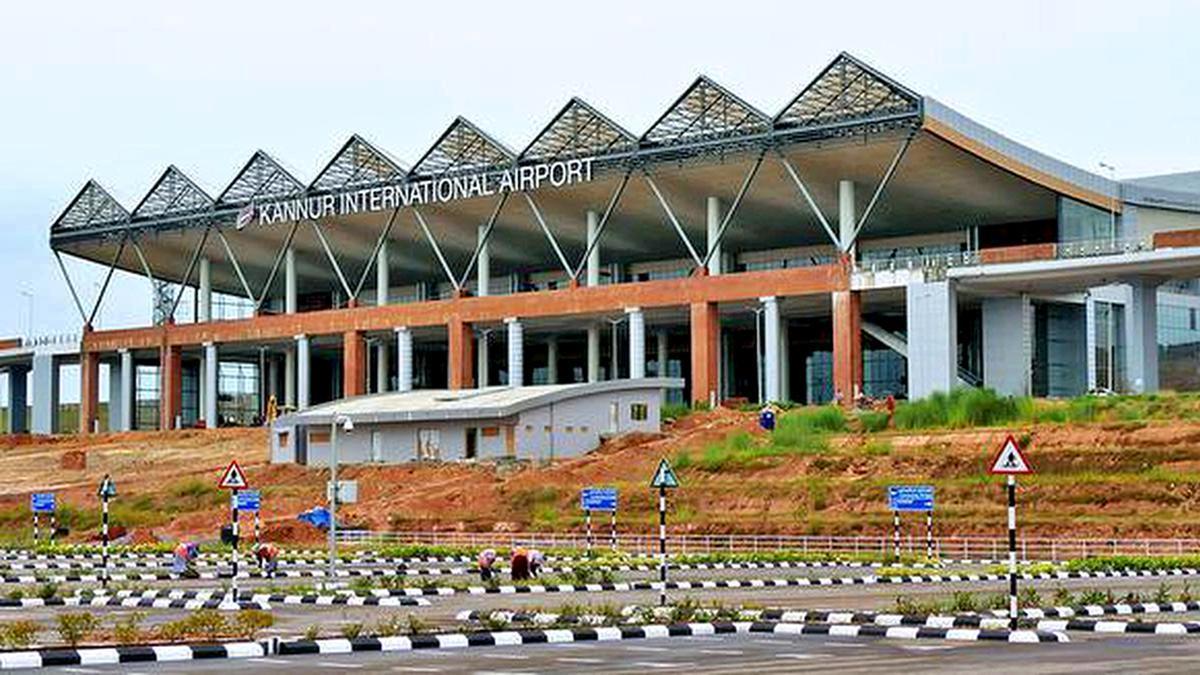
Kannur International Airport Limited (KIAL) has proposed establishing a 100-megawatt (MW) solar power project on land earmarked for a future second runway. The initiative aims to address Kerala's peak-hour power needs while generating revenue from land that is unlikely to be utilized for runway expansion within the next 25 to 30 years.
KIAL's Chief Operating Officer, Aswani Kumar, revealed that the project's capacity could reach up to 130 MW, though practical output may be limited to around 100 MW due to the terrain's undulating nature. Initial interest from major corporations such as NTPC, BPCL, IOCL, and NLC has been expressed, along with the existing solar contractor, Oriana Power.
However, the venture faces regulatory and financial challenges, including the tariff at which the electricity can be sold. KIAL has received an informal indication from the Kerala State Electricity Board regarding a tariff of less than ₹3 per unit, which could make a battery-backed project financially unsustainable. A definitive tariff will be determined post-bidding and buyer identification.
The proposed model involves an investor constructing the solar plant with battery storage and selling the power to a designated buyer under a long-term agreement. The project's financial requirements are estimated to be above ₹500 crore, potentially reaching ₹700 crore, including battery storage. The existing 4-MW solar project, which began trial operations in June, consists of 2.25 MW of ground-mounted panels and 1.75 MW installed over the car parking area.
KIAL's Head of Engineering, M.K. Abdul Zalam, stated that the 4-MW system primarily aims to meet daytime electricity requirements, with surplus power potentially exported to the grid upon KSEB approval. He noted that the airport would need approximately 8.5 MW of solar capacity to neutralize its electricity bill, including tariff differences.
The project's technical challenges involve power evacuation, grid capacity, and the need for enhanced transmission systems. If successful, the solar project could supply locally generated power for northern Kerala, addressing voltage and power shortages in the State. However, its viability hinges on securing buyers and a commercially feasible tariff through the regulatory process.
Written by urgent.news from The Hindu's reporting — not their text. Machine-written — may contain errors; check the original before relying on it.