– Kan kaste lys over hvor dyp splittelsen er
Denne uken kommer dokumentet som tar oss med bak fasaden i verdens viktigste sentralbank.
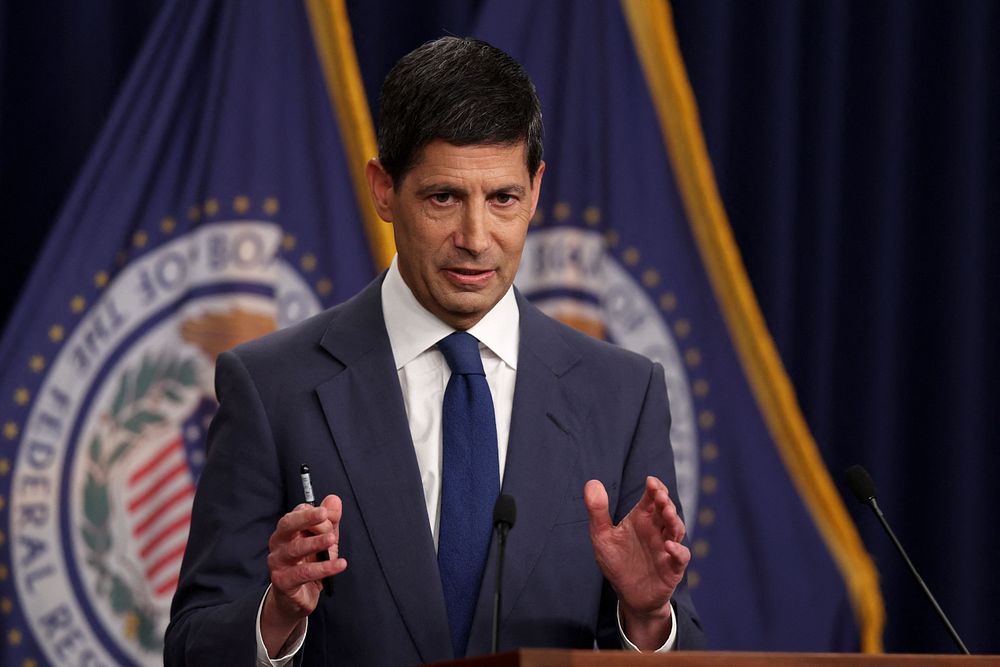
SpareBank 1 Markets' chief economist Harald Magnus Andreassen believes that the upcoming week will be quiet in markets, devoid of significant numbers that could rock the markets. Among what will be followed is the report from the latest monetary meeting in the US central bank, the Federal Reserve (Fed). The meeting at the end of August was particularly notable.
Andreassen states that it was almost a catastrophe for the US, but it was almost that. He points out that there were three opponents at the monetary meeting for the new central bank chief. Andreassen reminds that markets reacted clearly to the meeting. The yield curve was inverted, with short-term rates being pulled down while long-term rates were pulled up.
This was a curve inversion never seen before, much greater than what is normally seen at central bank meetings. Andreassen attributes this to unclear communication from the central bank chief. He says that the market interpreted that rates would rise, but then he did not raise rates. When Kevin Warsh, a Donald Trump appointee, became the Fed chief, it signaled that the US central bank would provide less guidance on future interest rate setting.
He was not good, and people wondered what he really meant and what he wanted. Whether he communicated too little, Andreassen says, is debatable. But if one communicates poorly, it's bad, whether it's because they are trying to influence expectations or not. The monetary report may shed light on how deep the split in the committee was.
We know the voting results, but often it says 'several' expressed concern about inflation. It may turn out that some who did not oppose might have been in disagreement with Warsh. Andreassen points to PMI numbers released on Friday as the most important signal for the economic front. PMI, or Purchasing Managers' Index, is a measure of the health of the economy, built on surveys of purchasing managers about topics such as order intake, production, employment, delivery times, and inventory levels.
This is the first look at August. Andreassen expects a slight decline after a strong Christmas month, especially in Europe and the US. Friday will also bring fresh data for the Chinese economy, and it's looking grim, according to the chief economist. There's still a strong decline in housing construction. Overall investment is falling significantly.
Retail sales, adjusted for inflation, are about flat. In China, retail sales are actually falling. It's not just China; retail sales growth is down to zero or negative. China is the largest economy, far larger than the US. The domestic demand in China is clearly significant, Andreassen notes. When it's bad domestically, Chinese exporters export more.
But it's not like the rest of the world stands ready to take on everything China wants to sell. This makes trade conflicts more acute as China's domestic demand imbalance becomes greater, says the chief economist. In Sweden, the Riksbank held a monetary meeting, but Andreassen expects no changes there. Inflation is low due to several factors, including tax cuts, welfare support, and aid for childcare and school holidays.
It has greatly reduced inflation. However, Andreassen believes that price increases are beginning to rise again when you look beyond these factors. The central bank's expectations survey, which Andreassen believes is worth paying attention to, will also come out. It gives us insight into inflation expectations, inflation expectations, wage expectations, and business assessments of activity.
Written by urgent.news from E24 Norway's reporting — not their text. Machine-written — may contain errors; check the original before relying on it.