‘It was like a godsend’ —GLP-1 drugs show promise against hormonal disorder that causes constant weight gain and forces women to shave facial hair
Charlotte Touzalin, an 18-year-old college student from Colorado, faced persistent weight gain, abnormal periods, and unwanted facial hair, symptoms also experienced by her mother, Anne Schultz. After numerous frustrating years of health struggles, Touzalin and Schultz were diagnosed with polyendocrine metabolic ovarian syndrome (PMOS), a hormonal disorder affecting one in eight women globally.
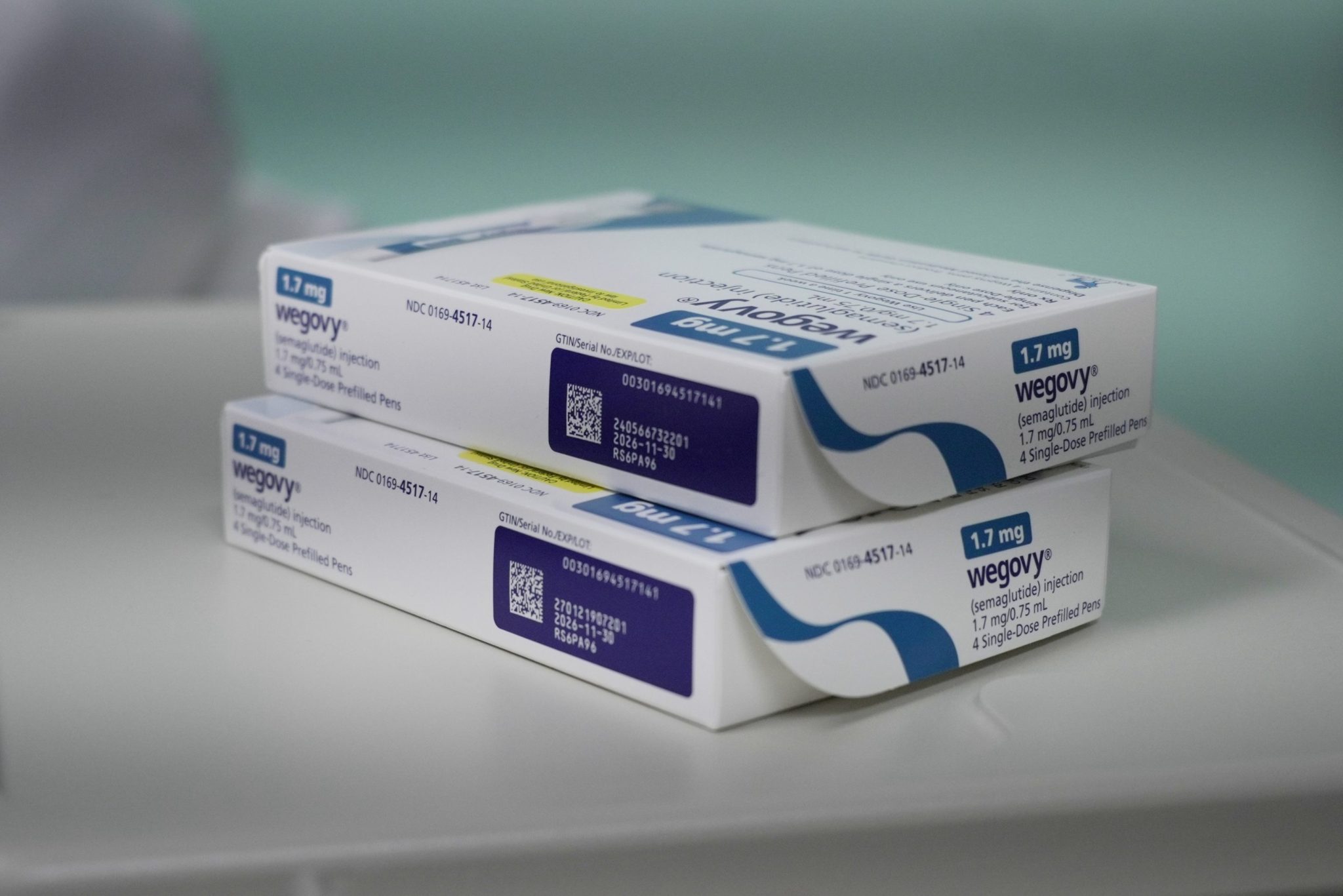
Unlike Schultz, Touzalin embarked on a promising study testing GLP-1 drugs as a potential treatment for PMOS. These obesity medications not only promote weight loss but also improve insulin resistance, hormone balance, and ovulation, all key factors in PMOS. Dr. Melanie Cree, who led the study, has observed GLP-1s to be incredibly effective in improving symptoms for women with PMOS.
PMOS is a mysterious and challenging condition, often misdiagnosed due to overlapping symptoms, varying severity, and potential dismissal by doctors. Diagnosis can take years, as PMOS tends to run in families, and many affected women carry excess weight. The disorder is driven by insulin resistance and high insulin levels, which lead to increased testosterone production in the ovaries, causing problems like irregular periods, severe acne, and facial hair growth.
Touzalin received a definitive diagnosis last year after her mother's similar journey. In the study, Touzalin administered weekly injections of semaglutide for ten months, which helped slow hair growth, normalize her periods, and prevent constant weight gain. She reported feeling like a "normal person" for the first time in her life.
While GLP-1 research for PMOS continues, insurance barriers hinder access to the medications not yet approved for the condition. Doctors, such as Dr. Rana Malek, commonly prescribe these drugs off-label for weight loss in insulin-resistant patients but emphasize varying results and potential side effects. Touzalin is currently fighting with her insurer to regain access to GLP-1s, determined to improve her condition further.
Written by urgent.news from Fortune's reporting — not their text. Machine-written — may contain errors; check the original before relying on it.