'India’s Equestrian Sport Has Bright Future, But Regulations Must Change': Silva Storai
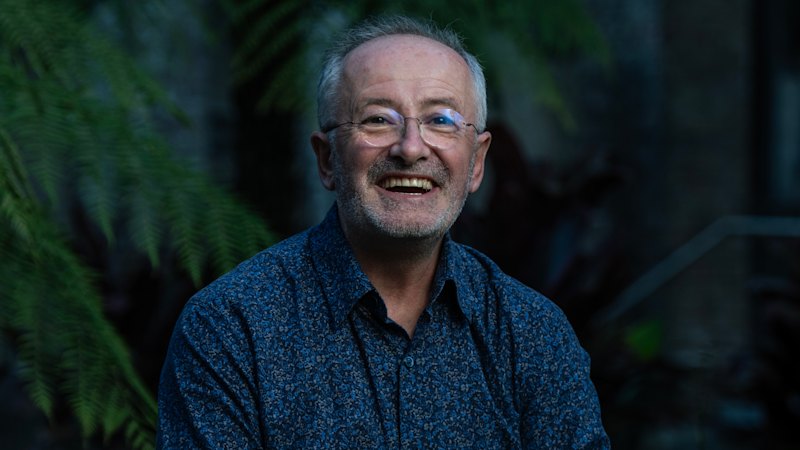
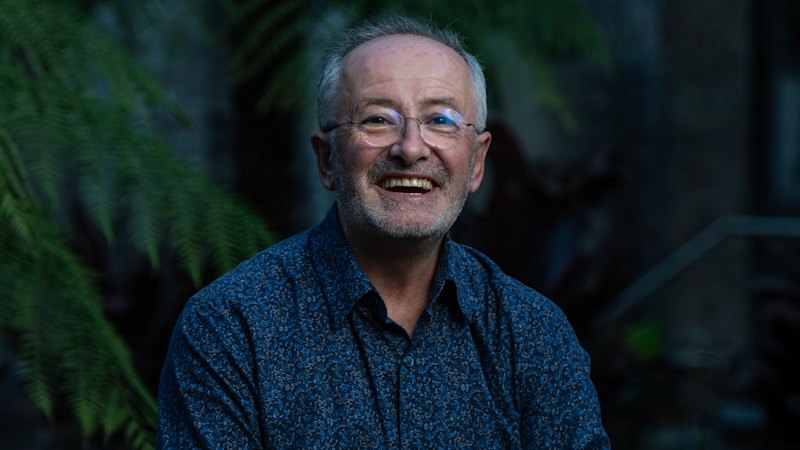
In an exclusive interview with The Free Press Journal, Silva Storai, director of Embassy International Riding School (EIRS) and founder of the Equestrian Premier League (EPL), spoke about the sport's evolution, the importance of the Equestrian Premier League (EPL), grassroots development and India's prospects at the Asian Games. Excerpts How do you view the equestrian landscape in India today?…
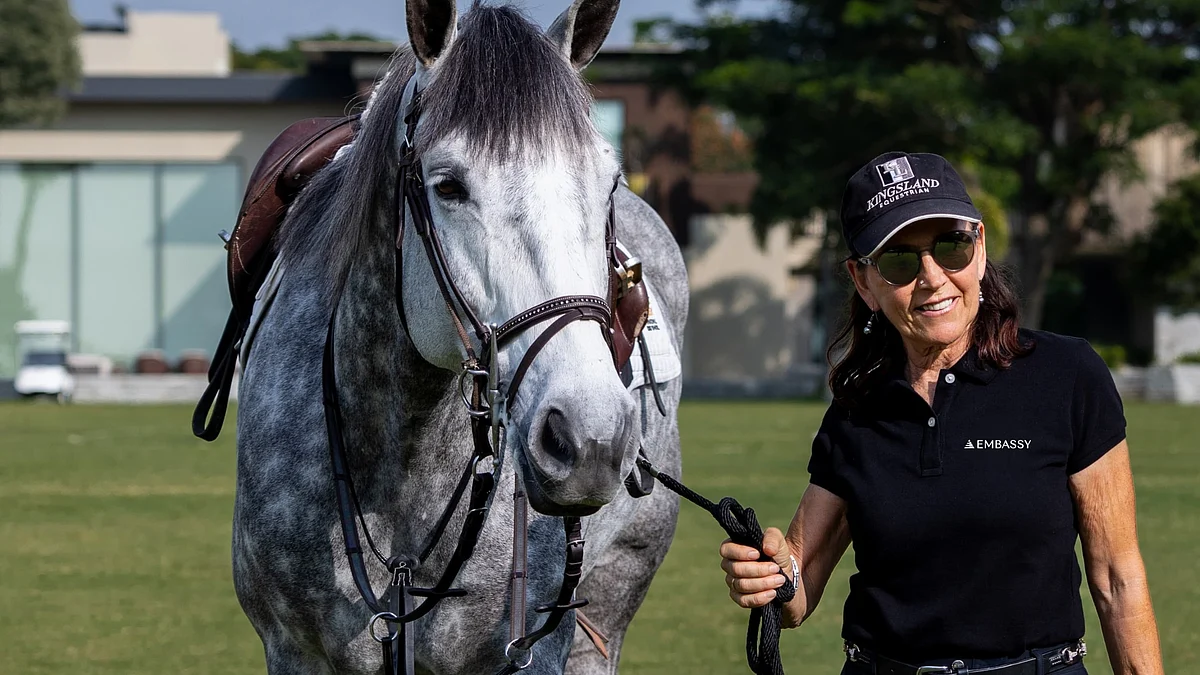
The equestrian sport in India has a promising future, though it is currently experiencing a transitional phase. The Equestrian Federation of India has evolved from being primarily governed by the Army to a more collaborative structure involving both military and civilian elements. Equestrianism has seen significant growth over the past decade, with the sport gaining popularity alongside cricket, football, and tennis.
Silva Storai, the director of Embassy International Riding School and founder of the Equestrian Premier League, is optimistic about the sport's development in India over the next five to ten years. He highlights the need for regulatory changes, such as opening channels for exporting horses, to enable Indian riders to compete effectively on the international stage. Storai emphasizes that India possesses substantial equestrian talent, but various obstacles hinder its growth.
The success of Ashish Limaye in qualifying for the Asian Games and World Games is a testament to the progress made in Indian equestrian sport. The Equestrian Premier League, established in 2010, has played a crucial role in providing regular competition opportunities for civilian riders, particularly young talent. By sponsoring riders and showcasing Indians' ability to compete and succeed internationally, the league has boosted confidence among potential athletes and their families.
Grassroots development is of utmost importance in nurturing equestrian talent, according to Storai. Children as young as seven, eight, or nine should be taught foundational skills, as only a small percentage will eventually pursue the sport seriously. Strong basics at lower jumping levels are essential for riders to progress, with a well-trained horse occasionally compensating for rider mistakes at higher heights. Without a solid foundation, riders may struggle to advance to higher levels of competition.
Written by urgent.news from Free Press Journal's reporting — not their text. Machine-written — may contain errors; check the original before relying on it.