How the US could squeeze Iran with economic isolation – and the risks involved
Treasury Secretary Scott Bessent says the US is getting ready to squeeze Iran with unprecedented economic pressure, a claim critics greeted with scepticism given the country is already subject to a naval blockade and thousands of sanctions. While the Trump administration has not said what it is planning to do, there are still pressure points that Bessent’s Treasury Department could hit. The main…
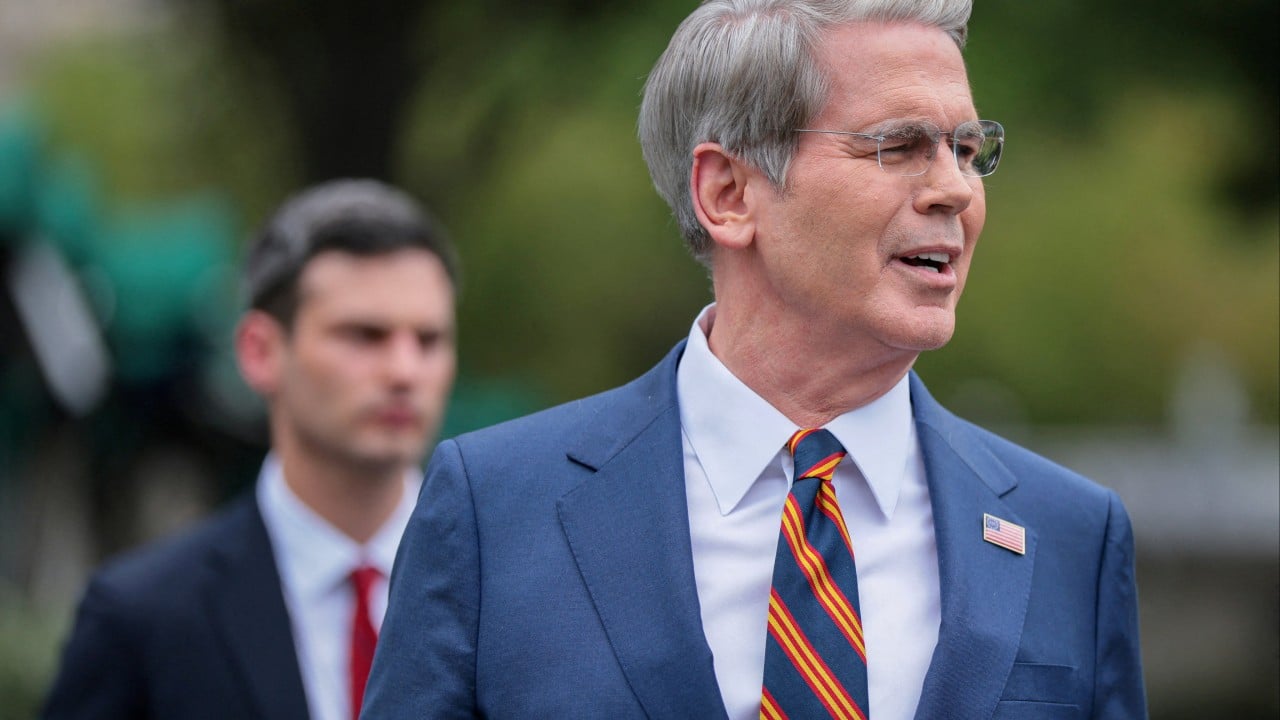
Treasury Secretary Scott Bessent has announced the United States is preparing to intensify economic pressure on Iran, despite the nation already facing a naval blockade and numerous sanctions. Critics remain skeptical, considering Iran is already under multiple restrictions. Bessent’s Treasury Department might target several remaining areas, but doing so risks repercussions on the US economy.
Analyst Chris Kennedy from Bloomberg Economics notes that unless the administration prioritizes addressing Iran's threat over all other issues, particularly China, the impact on Iran's strategies will likely be minimal.
China accounts for over 90% of Iran's oil exports. Sanctions on entities facilitating these purchases would directly diminish Tehran's oil revenues. The US has already sanctioned some Chinese entities involved in this trade, but has not targeted major Chinese banks that finance the trade. Doing so would risk escalating tensions with China ahead of an anticipated meeting between US President Donald Trump and Chinese leader Xi Jinping. Additionally, curtailing Iranian crude would likely increase global oil prices.
Iran needs exchange houses in countries like the United Arab Emirates to repatriate funds, converting payments often received in Chinese yuan into currencies usable in Iran. The Treasury has sanctioned some Iranian exchange houses for allegedly aiding in currency laundering. However, Iran has built alternative channels to move money outside the formal financial system, so such measures may simply push transactions to new intermediaries, currencies, or digital assets.
The US could impose secondary sanctions on any entity engaging in limited business with Iran, similar to the approach Trump took against North Korea in 2017. This could force foreign companies and banks to choose between conducting business with Iran and retaining access to the US financial system. Such a move would increase pressure on Russia, China, and other countries with significant commercial ties to Iran, including US partners like Turkey.
The US could also attempt to confiscate assets already under US jurisdiction, drawing on a precedent set by the Bush administration post-2003 Iraq invasion. However, the pool of Iranian state assets within US reach may be limited. Iran's overseas wealth is often held in third countries, requiring cooperation from foreign governments for seizure. A more extensive US naval blockade could target not just individual vessels, but also the infrastructure enabling those shipments, which the US has already sanctioned.
Written by urgent.news from South China Morning Post's reporting — not their text. Machine-written — may contain errors; check the original before relying on it.
This story
This is one outlet's version. Read the fullest account.
- US weighs harsher Iran squeeze despite economic blowback thearabianpost.com