How classical musicians experience the sensation of playing together
A small study exploring how classical musicians experience togetherness reveals that establishing a profound connection requires more than technical precision. Performers rely on shared emotional understanding, adaptability, and visual cues to reach peak harmony during live concerts.
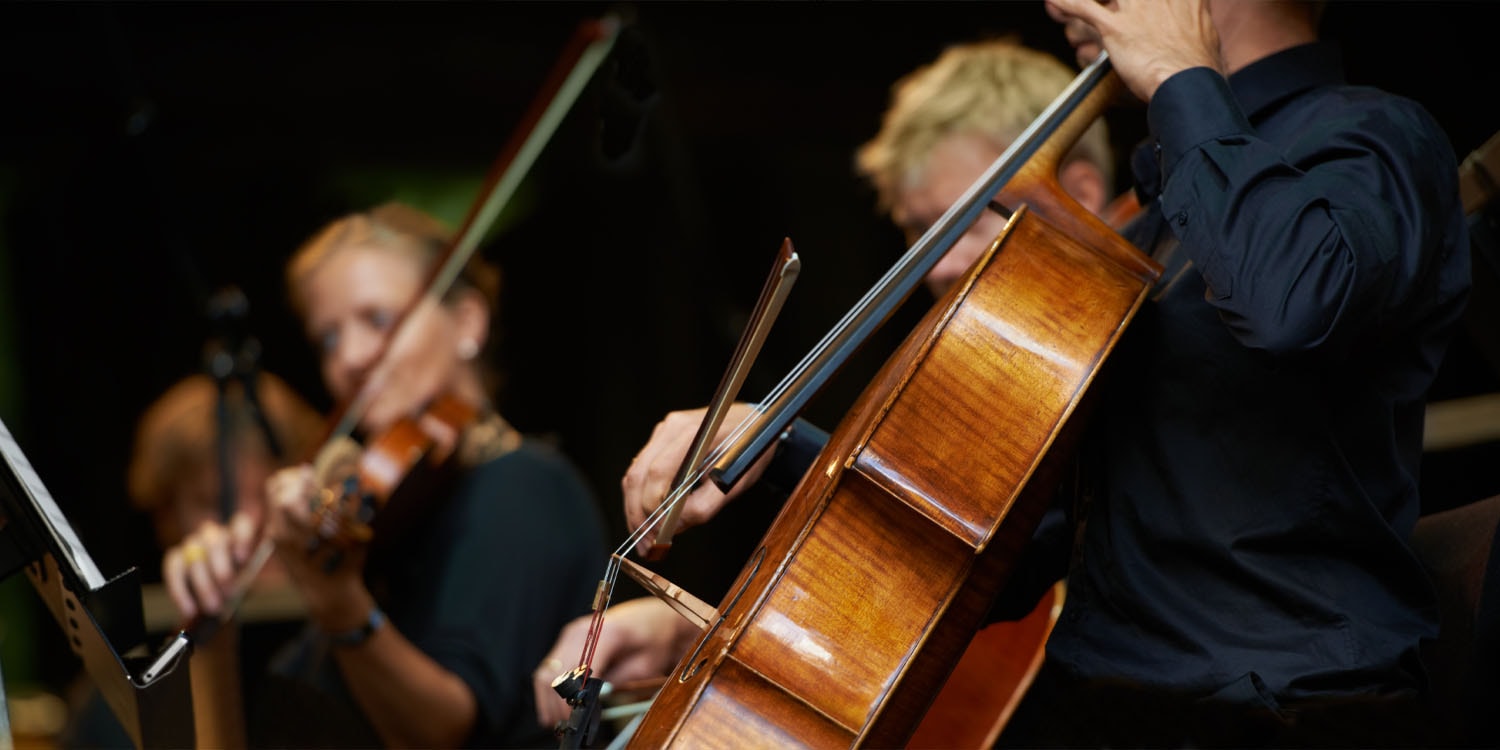
A recent study published in the Psychology of Music explores the experience of togetherness among classical musicians during group performances. Researchers from the University of Oslo conducted semi-structured interviews with 22 advanced music students, focusing on their subjective perceptions of ensemble connection. Through thematic analysis of the interviews, four primary themes emerged: the embodied sensation of togetherness, the role of repertoire and co-performers, the impact of external factors, and the unpredictability of the experience.
Participants described togetherness as a deeply embodied feeling, characterized by aligned breathing, synchronized movements, and eye contact. They described these moments as joyful, effortless, and rewarding, though unpredictable and fluctuating throughout performances. The study highlights the importance of trust, adaptability, and musical accuracy in achieving this shared experience, offering insights for music pedagogy and emphasizing the social aspects of playing an instrument.
Brief written by urgent.news from PsyPost's own syndicated text. Machine-written — may contain errors; check the original before relying on it.