From Al Jazira to Al Nassr: Why global brands want a piece of Gulf sport
Once upon a time, a sports sponsorship in the Gulf meant a logo on a football shirt. Today, the region’s clubs, athletes and sporting events are becoming valuable platforms for global brands, and the partnerships are as much about culture, influence and international reach as they are about sport. The latest name to enter the field is New Balance, which has signed a three-year deal with Abu Dhabi…
The world of sports sponsorship in the Gulf is evolving rapidly, with global brands increasingly seeking to establish a presence in the region's football scene. New Balance's recent three-year deal with Al Jazira Club is just one example of this trend. The American sportswear company will design and manufacture the club's kits, marking a significant step in the club's journey towards becoming a global brand.
Al Jazira's partnership with international brands such as Adidas, Puma, Kappa and Nike since the 1970s highlights the long-standing appeal of the club to global companies. However, the new deal with New Balance goes beyond simply outfitting a football team. Stuart Henwood, senior director and general manager at New Balance Middle East, Africa and India, emphasizes that the partnership is about supporting the club's commitment to developing homegrown talent and its strong connection with the local community.
New Balance's broader strategy in the Gulf includes partnerships with Qatar's Al Sadd SC football team, the Doha Marathon by Ooredoo, and a successful New Balance Run Club in several Gulf cities. The company's involvement in the region's burgeoning sports market demonstrates the growing importance of sport as a platform for global brands.
The Gulf region is fast becoming one of the fastest-growing markets for sports, with governments investing heavily in football, Formula One, golf, cycling, and combat sports. This investment has the potential to bring significant economic benefits to the region. For brands, the emotional connection that sports can create offers a unique opportunity to engage with consumers in a more meaningful way than traditional advertising.
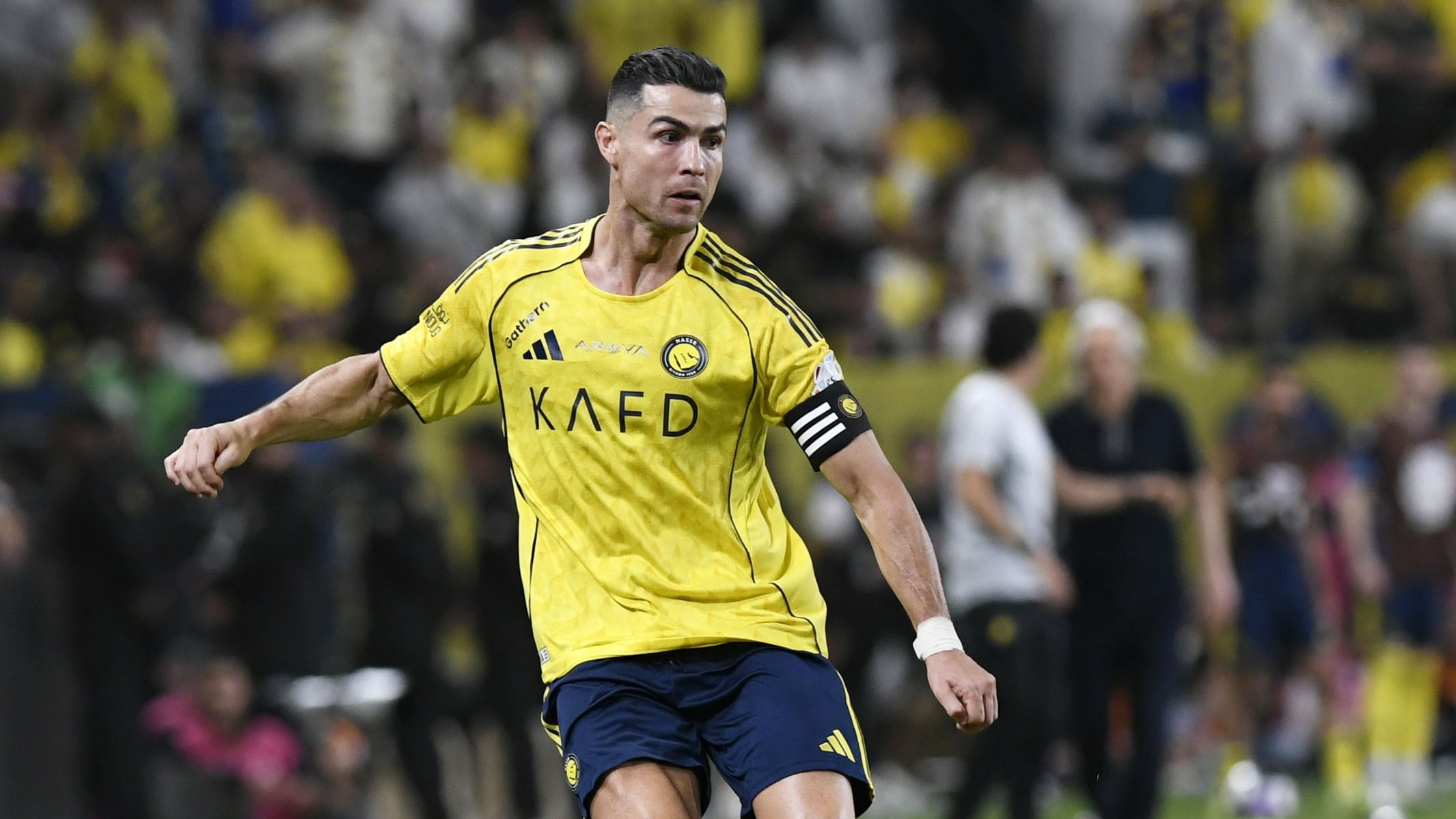
The recent signing of Cristiano Ronaldo by Al Nassr is a prime example of the changing value of Gulf sport. The Portuguese footballer's arrival transformed the club's profile, turning it into a globally recognized sports brand. Al Nassr's commercial portfolio now includes partnerships with Adidas, Nike, and several Gulf companies, reflecting the club's global reach.
The relationship between Gulf sport and international business is increasingly reciprocal. UAE Team Emirates XRG, a dominant force in cycling, has attracted international sponsors such as Colnago, Richard Mille, and Pissei, alongside Gulf companies like AI group G42, First Abu Dhabi Bank, and indoor-cycling platform MyWhoosh. Similarly, basketball club Beirut Basketball Club has partnered with Emirates as its official airline and primary jersey sponsor, demonstrating the growing global appeal of the Gulf's sporting institutions.
Gulf airlines have long been pioneers in using international sport as a global marketing platform. Emirates has been associated with Arsenal and AC Milan, become a global sponsor of Real Madrid, and partnered with Benfica and Olympique Lyonnais. Etihad Airways has followed suit with Manchester City, Paris Saint-Germain, and several other European clubs.
These partnerships work at both a local and global level, strengthening a brand's credentials in the Middle East while bringing credibility, reach, and recognition to the Gulf's clubs.
Written by urgent.news from The National UAE's reporting — not their text. Machine-written — may contain errors; check the original before relying on it.
Also reported by 1 other outlet
- From Al Jazira to Al Nassr: Why global brands want a piece of Gulf sport thenationalnews.com