FPJ 98th Anniversary: Maharashtra's Agritourism Boom Is Giving Farmers A Second Harvest
Pratik Naravane dreaded long weekends. Overbooked hotels, overpriced food, and overcrowded attractions made every escape from the daily grind feel like a punishment. Two years ago, the 37-year-old IT professional from Navi Mumbai ditched the usual hotspots for a family-run homestay in Choul near Alibag. “No checklists, no running around,” he recalls. “For the first time, we came back truly…
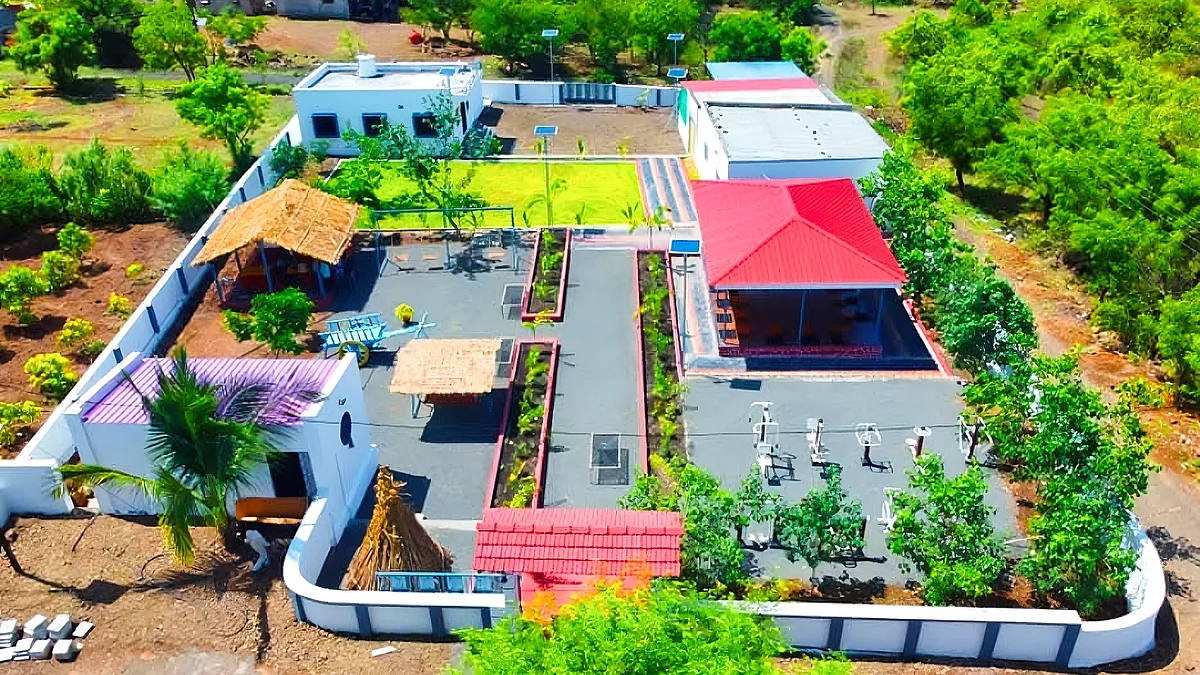
On the occasion of FPJ’s 98th anniversary, Maharashtra is experiencing a boom in agritourism that is providing farmers with a second source of income. For city dwellers like Pratik Naravane from Navi Mumbai, agritourism offers a much-needed respite from long weekends spent in overbooked hotels and overcrowded attractions. Vrunda Ranjane, a teacher from Kolhapur, found solace in immersing herself in farming communities during a weekend spent in Shenavade.
The Kumawat family, originally from Nashik, discovered the value of agritourism while working on their daughter’s school project about the origins of food. These experiences of reconnecting with rural life are at the heart of Maharashtra’s agritourism movement.
Agriculture and tourism have long been intertwined in Maharashtra, but agritourism is now emerging as a vital means for farmers to boost their earnings and ensure the long-term sustainability of farming. The benefits of agritourism extend beyond the farmers, providing income for a range of others in the local economy such as cooks, farm workers, guides, artisans and fisherfolk.
According to Pandurang Taware, an agritourism pioneer, for every Rs. 100 tourists spend, around Rs. 60–70 goes directly to the farmer, with the rest supporting the wider village economy.
Since the launch of Maharashtra’s Agritourism Policy in 2020, the number of registered agritourism centers has doubled to around 2,800, with another 2,000 likely operating unregistered across the state. The policy mandates that at least 80% of registered projects must remain under agriculture and that accommodation must not exceed eight rooms to protect farming and keep capacity in check.
Farmers can earn 2–2.5 times more by selling value-added products directly to visitors than through intermediaries, leading to increased revenue for regions like Jalna’s mango farms and Beed’s farmer earnings.
Written by urgent.news from Free Press Journal's reporting — not their text. Machine-written — may contain errors; check the original before relying on it.