Farmer left 377-acre wheat field wild in 1988 — it’s now a major wildlife refuge
An abandoned wheat farm in England has been transformed into a thriving nature reserve after decades of neglect. Following a dedicated public campaign, £1.5 million was raised to acquire the land, ensuring its protection for future generations. This 377-acre area now boasts a rich variety of wildlife, including numerous endangered bird species, and will be overseen by the Wildlife Trust as a…
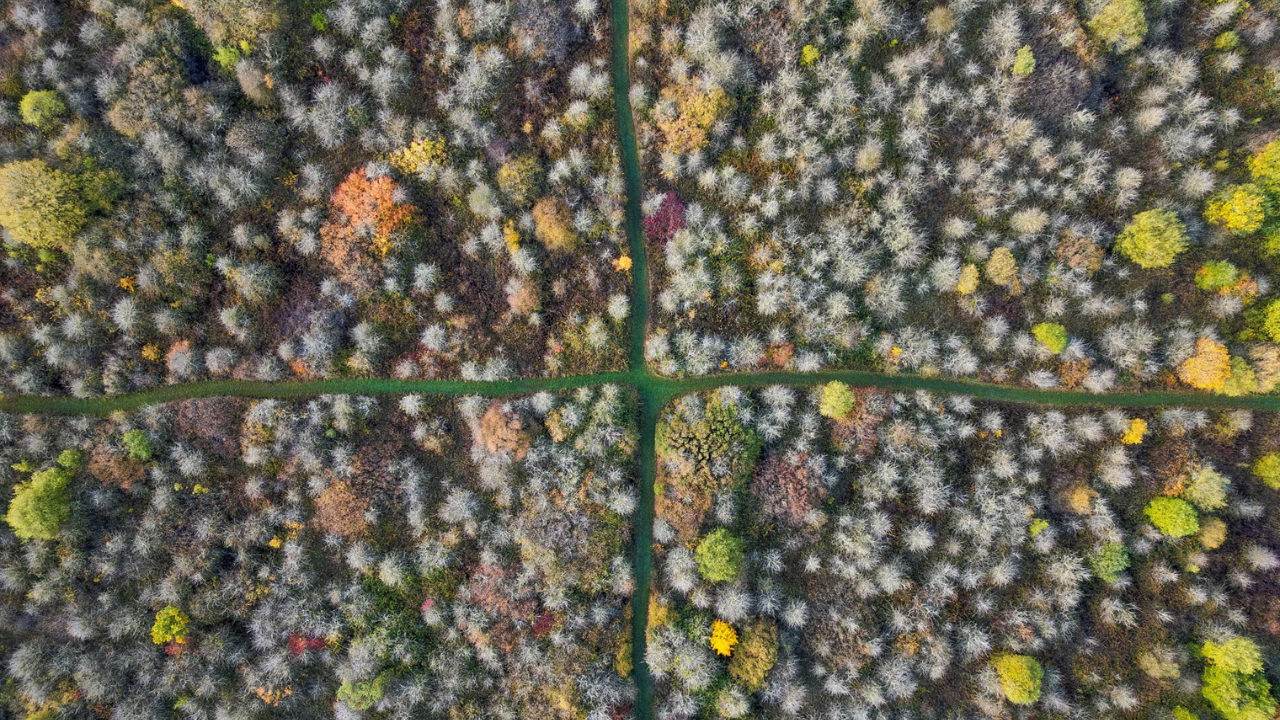
Hugh White, an English farmer, stopped intensive wheat farming on his 377-acre land near Knotting in Bedfordshire in 1988. Displeased with government agricultural policies, White left the land largely untouched, allowing nature to reclaim it over time. The former wheat fields transformed into a mix of hawthorn bushes, scrubland, grassland, and young woodland.
Local records indicate that White took pride in seeing his former fields become a habitat for barn owls and other farmland birds. With the landowner's death, his children sought a buyer who would protect the land instead of resuming intensive farming. Conservation groups and ethical investors ultimately purchased the site after a public fundraising campaign reached its £1.5 million target.
The Wildlife Trust for Bedfordshire, Cambridgeshire and Northamptonshire (BCN) purchased the land, securing the future of the unique ecosystem. Now, Strawberry Hill provides crucial habitat for threatened birds, including half of all breeding nightingales in Bedfordshire.
Written by urgent.news from Times of India's reporting — not their text. Machine-written — may contain errors; check the original before relying on it.