Cuts to HIV/AIDS funding threaten Africa’s progress as children face biggest risk
Growing cuts to international HIV/AIDS funding is threatening to reverse years of progress in Africa, with children among those most at risk.
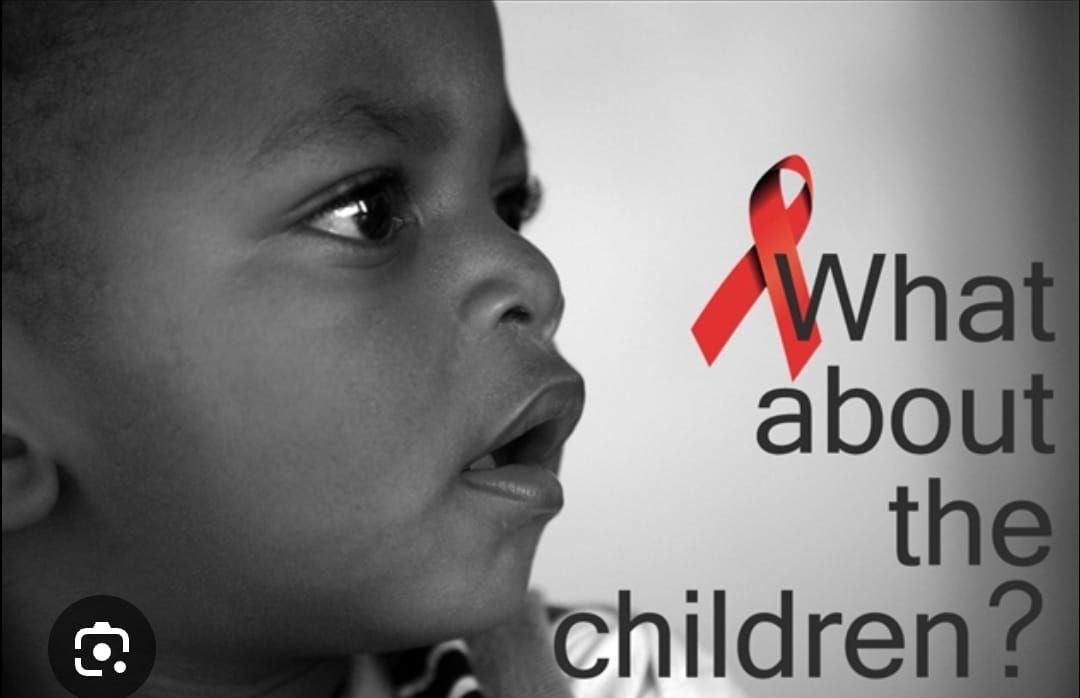
International HIV/AIDS funding cuts could reverse years of progress in Africa, particularly affecting children who face the greatest risk. Health experts warn of a widening gap in access to HIV testing and treatment for young people. Globally, 1.2 million people contracted HIV in 2025, with 570,000 succumbing to AIDS-related illnesses.
UNAIDS has warned that without immediate action, millions more could become infected by 2030. Dr. Doris Macharia, President of the Elizabeth Glaser Pediatric AIDS Foundation, emphasized that children are "the canary in the coal mine" of the HIV response. She explained that declining funding is already impacting programs that identify, treat, and monitor children living with HIV, especially in African nations.
Ghana has made significant strides in HIV prevention and treatment, yet children still face substantial gaps in care. Recent national estimates suggest over 18,000 children are living with HIV, with new pediatric infections ongoing. Disruptions to funding could hinder pregnant women's testing, early detection of exposed infants, access to antiretroviral medications, and necessary follow-up to maintain treatment.
Dr. Macharia expressed concern that weakened programmes and data systems may leave more children unaddressed. She stressed that eliminating mother-to-child transmission remains feasible, citing Botswana and Brazil as examples where sustained investment in testing and treatment has stopped HIV transmission from mothers to their babies.
For Ghana, continued investment in prevention, early diagnosis, treatment, and reliable health data is crucial to preserving recent gains. The worry is that funding reductions may not show immediate effects, but children overlooked today could become new infections tomorrow.
Written by urgent.news from 3News's reporting — not their text. Machine-written — may contain errors; check the original before relying on it.