Crypto investors are looking past market-cap rankings and back to fundamentals
Investors are starting to judge crypto tokens on usage, economics and value capture rather than market-cap rank, industry executives said.
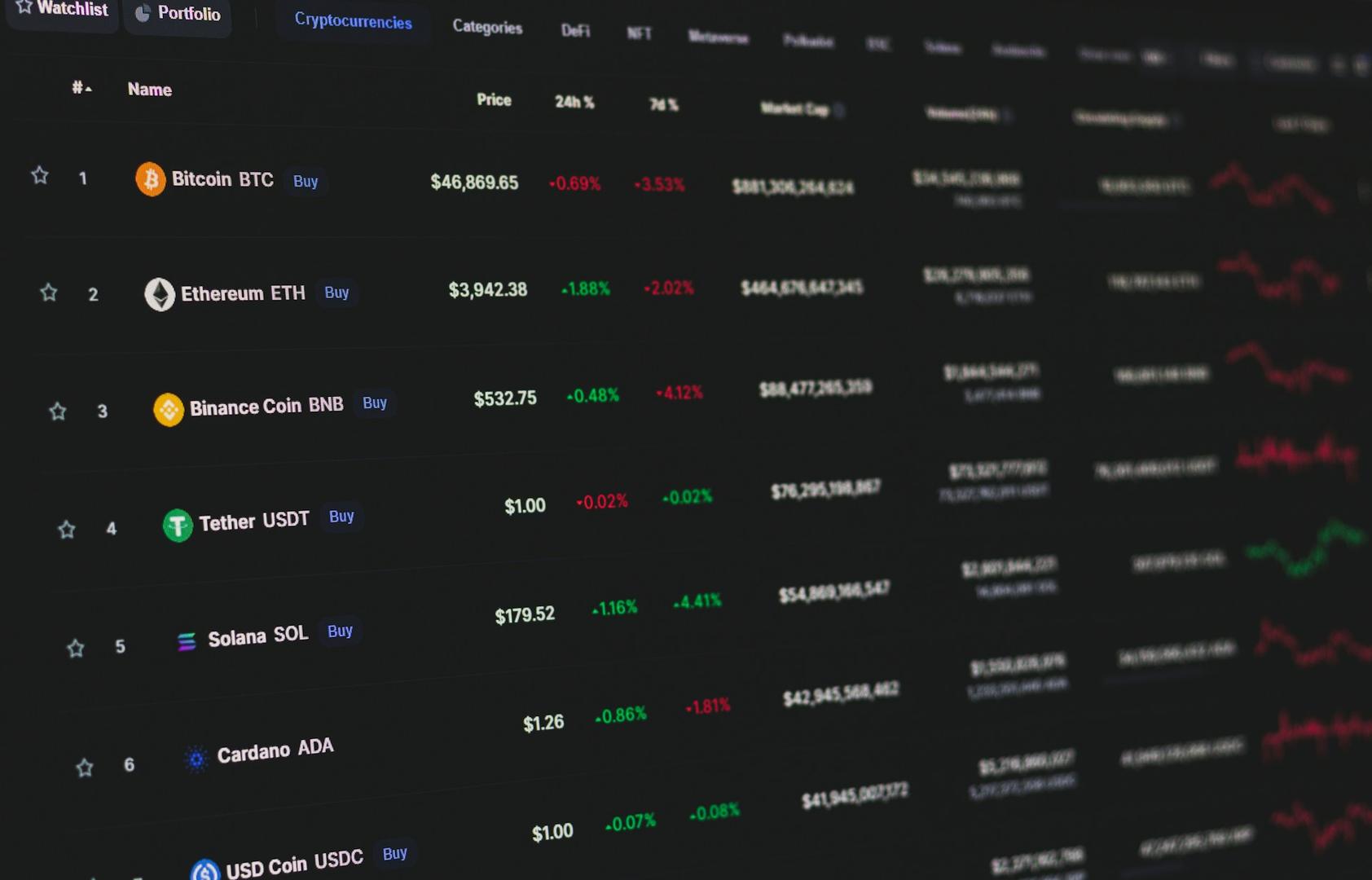
Crypto investors are now prioritizing a project's fundamentals, including revenue, usage and value capture, over purely market-cap rankings, according to industry professionals at Bitwise, Wintermute and the Arbitrum Foundation. The shift reflects a move away from the previous "CoinMarketCap leaderboard" era, where smaller projects were often valued as a fraction of larger blockchains, said Bitwise CEO Hunter Horsley.
Investors are now focusing on a project's addressable market, adoption and economic value capture, rather than treating smaller projects as smaller versions of larger blockchains. For example, Hyperliquid's derivatives platform, whose HYPE token has gained around 20% in value over the past year, is evaluated based on its trading activity and economics rather than its position on CoinMarketCap.
Wintermute OTC trader Jasper De Maere noted that perpetual-futures volumes still outpace spot volumes, but attention is shifting towards applications and appchains that align with fintech and venture-capital frameworks. Over the past 12 to 18 months, fundamentals have become increasingly important in areas such as decentralized finance, perpetual-futures exchanges and decentralized physical infrastructure networks.
While fundamentals set the floor and the shortlist, trading flows determine the price, De Maere explained. Wintermute's flow data indicates that institutional counterparties now account for roughly 72% of its spot OTC flow, up from 59% a year earlier, with tokenized real-world assets emerging as a new category. Comparatively, cryptocurrencies have fallen 36% in the first half of the year, while crypto stocks have risen 23%, indicating a growing disconnect between the two.
Analysts are now relying on more credible metrics that cost money to produce and can be verified onchain, such as fee revenue, fee-paying users and capital remaining on a network. Arbitrum's expansion program, which returns 10% of net protocol revenue to the ecosystem, exemplifies the project-level analysis being conducted. Bitwise's Horsley noted that index products can provide broad crypto exposure without the need for individual selection.
Grayscale head of research Zach Pandl believes the crypto sector is "very bright," with stablecoins, tokenized assets and decentralized finance tools driving demand for digital assets beyond Bitcoin in the years ahead.
Written by urgent.news from CoinDesk's reporting — not their text. Machine-written — may contain errors; check the original before relying on it.