CJP Says Questions On Youth Protests, NEET-UG And Police Action Disallowed In Lok Sabha
Three sets of questions concerning the Cockroach Janta Party-led youth protests, NEET-UG 2026, paper leaks and police action against demonstrators were disallowed in the Lok Sabha during the Monsoon Session, CJP chief spokesperson Saurav Das said on Sunday. In a post on X, Das said DMK Lok Sabha MP Matheswaran V S had sought responses from the Union Home Ministry and the Union Education Ministry…
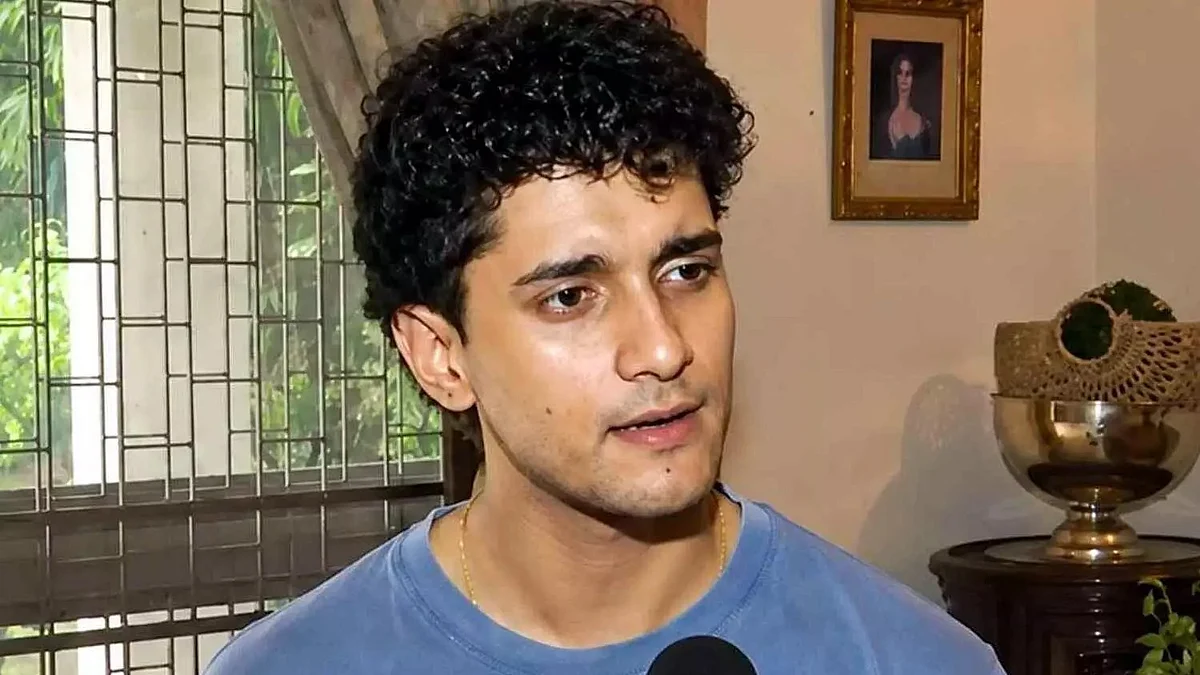
The Cockroach Janta Party (CJP) disallowed three sets of questions from being answered in the Lok Sabha during the Monsoon Session, stating the justifications were peculiar. Saurav Das, the CJP chief spokesperson, shared the news on X. The questions pertained to the youth protests, NEET-UG 2026, paper leaks, and police action against demonstrators.
The questions were submitted by DMK Lok Sabha MP Matheswaran V S, seeking answers from the Union Home Ministry and Education Ministry. The issues covered included refund of NEET-UG application fees, public distrust in the government, denial of facilities to protesters, engagement with protesting students and youth, student welfare, paper leaks, and education reforms.
The government's treatment of citizens exercising their right to peaceful protest was also inquired about. Das alleged that odd justifications were provided for rejecting the questions, citing Rule 41(2) of Lok Sabha's Rules of Procedure and Conduct of Business. This rule governs the admissibility of questions, with restrictions on clarity, specific answers, expressions of opinion, legal questions, and matters under adjudication.
Matheswaran confirmed the disallowance, stating he learned about it through the Lok Sabha members' portal. Das questioned the government's accountability in Parliament, asking how it could be held responsible when questions were disallowed. He also inquired about Home Minister Amit Shah's absence from Parliament during the police action against protesters.
Das emphasized that questioning the Executive is vital for parliamentary democracy, as ministers with significant power must answer to elected representatives. The protests originated in June over NEET-UG examination and concerns about paper leaks, reforms, and student welfare. The agitation escalated after activist Sonam Wangchuk joined the protests and went on an indefinite hunger strike.
Police action, including the alleged use of pellet guns, became a significant issue following the Sansad Chalo march on July 20. The CJP called off its agitation after the government agreed to its demands, including Dharmendra Pradhan's resignation as Education Minister. Opposition parties raised the issue in Parliament, demanding explanations from Amit Shah regarding the use of force against protesters.
The admissibility of questions in the Lok Sabha is governed by Rules 41 to 44, as per the Lok Sabha website.
Written by urgent.news from Free Press Journal's reporting — not their text. Machine-written — may contain errors; check the original before relying on it.