China’s smaller cities emerge as a powerful new engine for growth
AgenciesBefore Sam’s Club the American membership-only retailer with status appeal among China’s urban middle class opened in the lesser-known city of Jingshan in Hubei province, Z...
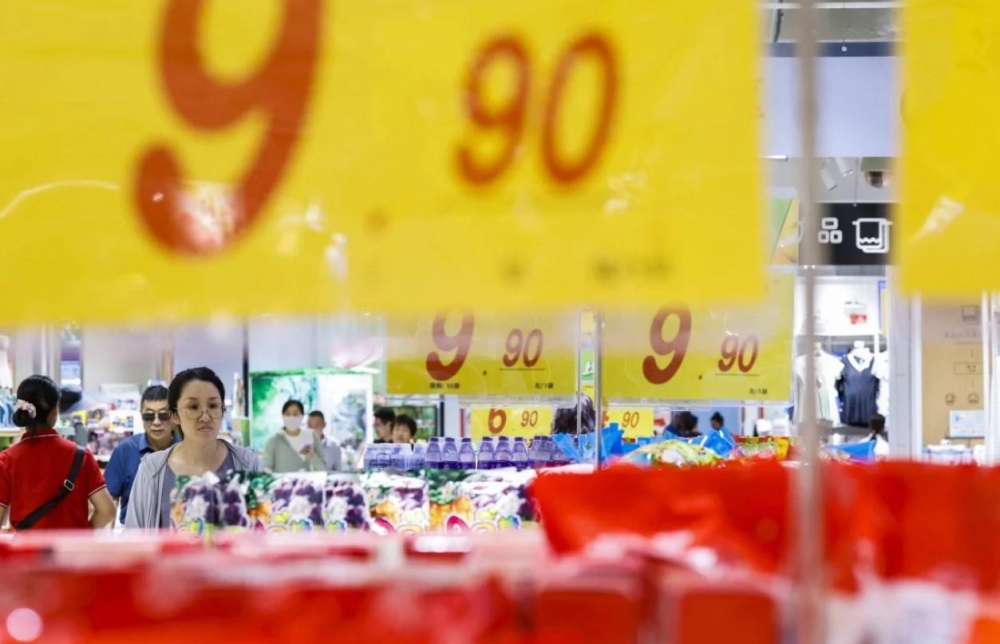
China's smaller cities are rapidly becoming a significant engine for economic growth, according to new findings. Before the arrival of Sam's Club, a membership-based retailer popular among China's urban middle class, the city of Jingshan in Hubei province took the initiative to attract such a store. Local businessman Zhang Liang invested 600,000 yuan (approximately US$88,969) to open a Sam's Club reseller shop in Jingshan, targeting consumers who would pay a premium for better-known brands and higher-quality products.
Although Jingshan is not among China's most prosperous areas, it exhibits a strong appetite for Sam's Club-like retail, signaling growing consumer enthusiasm in many traditionally not-so-wealthy cities.
Peng Peng, executive chairman of the Guangdong Society of Reform, a government-affiliated think tank, asserts that China's smaller cities are increasingly capable of competing with their first-tier counterparts in terms of demand for premium goods and services. Data from Zhejiang province reveals that per capita consumer spending in five counties – Leqing, Yuhuan, Yiwu, Wenling, and Haiyan – surpassed that of Beijing and Shanghai in 2025. While Beijing's per capita consumer spending was 50,667 yuan, Shanghai's was 54,765 yuan.
Despite China's first-tier markets remaining larger and wealthier, smaller cities boast stronger household purchasing power due to lower debt burdens, lower living costs, and emerging local supply chains. These factors funnel more income into everyday consumption, according to Peng. He predicts that more counties will eventually match or surpass first-tier cities in per capita spending, driven by improved transport links, economic spillovers from major cities, and migrant-exporting counties that benefit from returned workers' capital, business experience, and supply chain networks.
The central government has allocated more fiscal resources directly to county governments, granting them greater flexibility to develop the local economy. As China seeks new sources of domestic demand, county and township markets accounted for 39.2% of China's retail sales in the first half of this year. Consumer research firm Mintel predicts that future consumption growth will increasingly come from smaller cities and county-level markets due to changing spending patterns and growing demand.
This shift is already influencing business decisions, with Sam's Club announcing new stores in Yiwu, Zhejiang, and Jiangyin, Jiangsu, and international hotel groups expanding into lower-tier markets. Luo Zhaoliu, who returned to his hometown in Jiangxi province to produce fermented bean curd as a premium product, illustrates this trend, noting that county-level consumers are now willing to spend more on quality, convenience, and better experiences.
Written by urgent.news from Qatar Tribune Business's reporting — not their text. Machine-written — may contain errors; check the original before relying on it.