Air India pilot’s reported cannabis test: What it can and can’t tell investigators
Reports that an Air India pilot tested positive for cannabis after a flight sound like the sort of finding that should make an aviation investigator sit up.
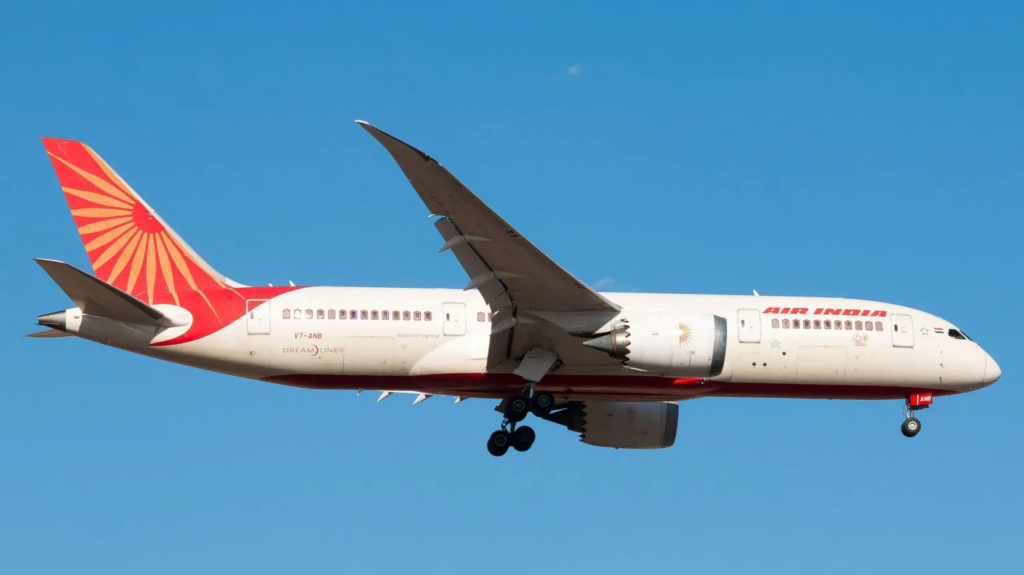
An Air India Airbus A320 lost about 91 metres (300 feet) of altitude while flying from Phuket to Delhi, injuring 13 passengers and four crew members. The aircraft, carrying 137 passengers and eight crew, landed safely in Delhi. Both pilots, undergoing routine post-flight screening, tested positive for psychoactive substances, with the captain's initial test requiring confirmatory testing.
Media reports claim the captain subsequently tested positive for marijuana in a confirmatory laboratory test, although Air India has not confirmed this result. The incident is under investigation to establish the cause of the sudden altitude loss, with investigators examining technical, operational, medical, and human factors. There is no official link yet between the alleged drug-test result and the altitude loss.
Cannabis can affect performance of complex tasks, with impairment generally lasting three to five hours after smoking. A 1976 experiment found that pilots who smoked marijuana showed deteriorated performance in altitude, heading, and radio navigation for at least two hours, with effects generally disappearing within four to six hours.
A 1991 study showed significant deterioration in elevator and aileron control, landing accuracy, and vertical and lateral deviation on approach when tested 24 hours after smoking cannabis. However, studies also found that pilots were unaware of their impaired performance. A 2022 study of regular cannabis users showed that impairment could not be inferred from THC content in cannabis or users' previous experience, as impairment could disappear up to 4.5 hours after consumption.
The relationship between cannabis consumption and impairment is complex and varies with the dose, method of consumption, frequency of use, and individual biology. Unlike alcohol, there is no direct correlation between blood THC concentrations and impairment, as THC can be detectable in the bloodstream for days or weeks after last use, particularly in frequent users. This makes cannabis testing in aviation more challenging than alcohol testing.
Written by urgent.news from MyJoyOnline Ghana's reporting — not their text. Machine-written — may contain errors; check the original before relying on it.
This story
This is one outlet's version. Read the fullest account.