AIIB warns climate inaction could downgrade a third of sovereign borrowers by 2050
More than a third of Asian Infrastructure Investment Bank’s (AIIB) sovereign borrowers could face credit rating downgrades by 2050 if global climate policy fails to strengthen, the Beijing-based multilateral lender said in a report. Under a current policy scenario – in which existing climate rules remain unchanged and global temperature rises by around 2.9 degrees Celsius above pre-industrial…
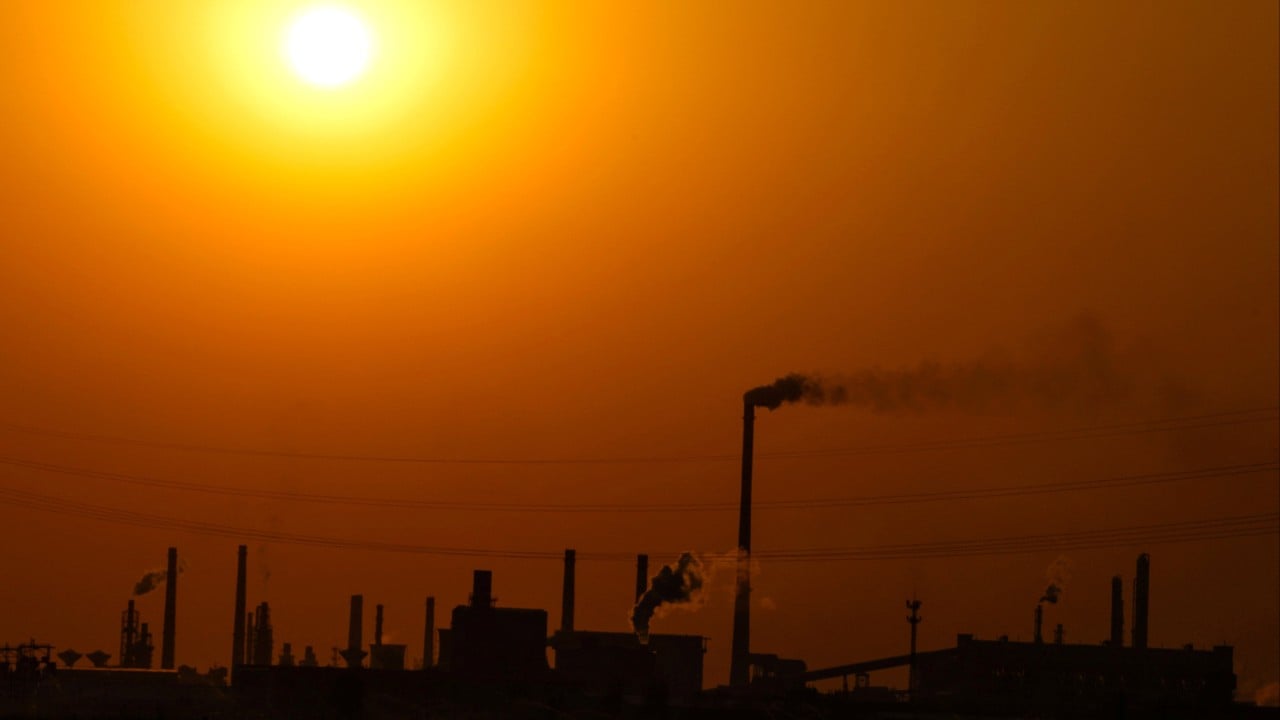
The Asian Infrastructure Investment Bank (AIIB) has warned that climate inaction could lead to a downgrade of up to one-third of its sovereign borrowers by 2050. Current policy scenarios, with unchanged climate rules and a 2.9 degrees Celsius temperature rise, could result in nearly 34% of the bank's sovereign portfolio facing downgrades.
However, under a Paris Agreement-aligned pathway limiting global warming to 1.5 degrees Celsius, downgrades would only reach about 11%. Developing economies dependent on nature-based sectors are particularly vulnerable to escalating climate risks. AIIB's downgrades would materialize between 2035 and 2040, driven by delayed physical climate impacts like rising sea levels and extreme weather events.
The bank has allocated 71% of its regular financing to climate-related projects in 2025, surpassing its 50% annual target for four consecutive years. Of the US$7.47 billion in climate financing approved in 2025, 73% went towards mitigation projects, such as renewable energy and low-carbon transport, while 27% supported adaptation measures.
President Zou Jiayi emphasized that the bank's new financing aligns with the Paris Agreement, integrating climate considerations into its investment activities. The risk landscape differs for non-sovereign investments, with private-sector entities facing higher transition risks under an aggressive decarbonisation pathway, particularly emissions-intensive industries that struggle to pass costs and are exposed to higher carbon taxes.
AIIB has set a global baseline for corporate sustainability and climate-related financial disclosures to evaluate risks in its lending and treasury operations, excluding investments in environmentally harmful sectors. The bank anticipates its climate finance approvals will exceed US$50 billion between 2021 and 2030, supporting low-carbon and climate-resilient transitions in member countries.
Written by urgent.news from SCMP Business's reporting — not their text. Machine-written — may contain errors; check the original before relying on it.