$275 million lost: Thousands of Americans targeted in real estate frauds
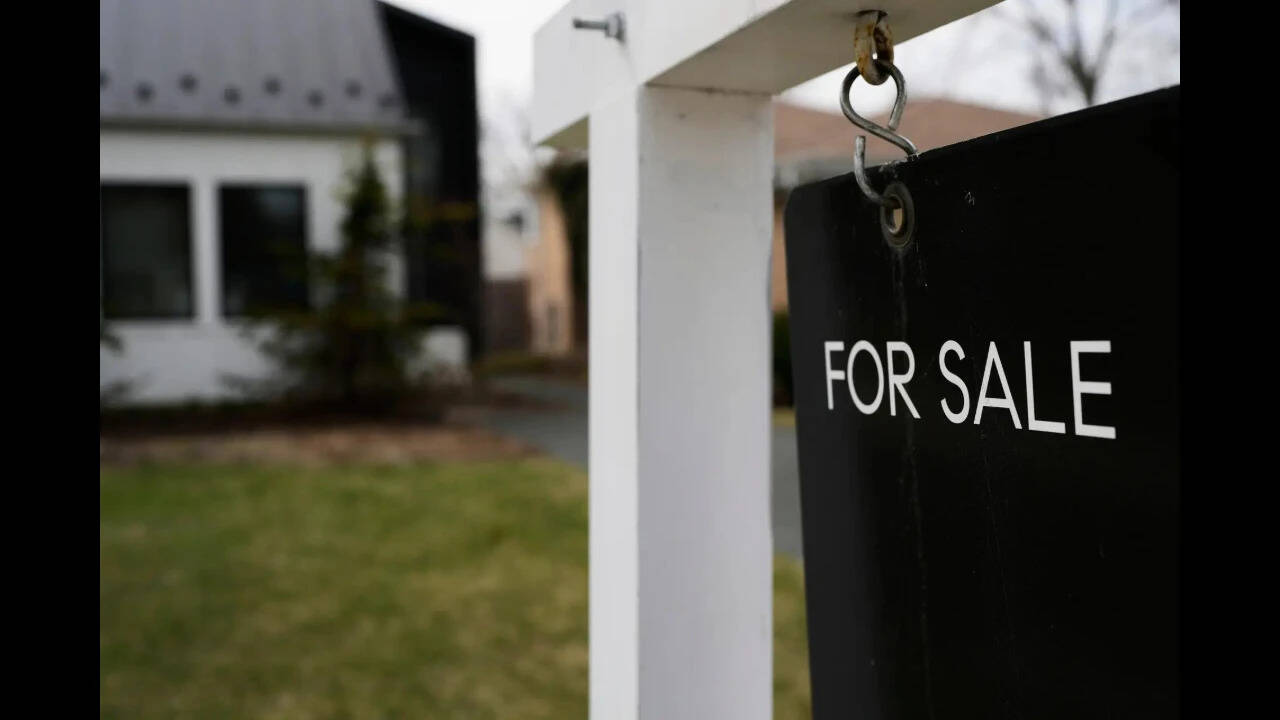
Real estate fraud complaints in the United States surged significantly in 2025, with the FBI handling 12,368 complaints and reporting losses totaling $275 million. This figure represents a sharp increase from 2024, when there were 9,359 complaints and $174 million in losses. The category of real estate fraud encompasses a range of deceptive practices related to property, such as fake rental listings.
Fake rental listings have emerged as a growing concern among scammers. They often replicate genuine property advertisements, photos, and video tours, posing as landlords to solicit deposits or application fees from prospective tenants. In a recent instance, a renter in Southern California encountered a seemingly appealing two-bedroom bungalow advertised at a reasonable price.
The alleged landlord claimed the current tenants had not moved out and provided a genuine video tour. However, upon further investigation, the renter discovered that the video was a copied version from a previous listing. She had already sent over $2,500 through Zelle before the landlord ceased communication, as reported by Fox News.
Scammers typically do not fabricate properties but rather pilfer listings from legitimate real estate websites, altering contact details and occasionally adjusting the advertised rent. The FBI recorded 115 real estate fraud complaints in 2025 linked to artificial intelligence, resulting in approximately $2.7 million in reported losses. AI enables scammers to generate more authentic messages and documents, although many schemes continue to depend on copied listings and falsified identities.
Another tactic scammers employ is capitalizing on the urgency renters face in competitive housing markets. Deadlines for leases, school admissions, or the fear of losing an affordable home can prompt individuals to hastily pay without thorough verification of the property or landlord. Red flags renters should be wary of include unusually low rents, pressure to pay promptly, and landlords refusing in-person viewings. Even a professional video tour does not guarantee the legitimacy of the person sending it.
To avoid falling victim to such scams, renters should scrutinize the full address of the property, compare listings and photos, verify the owner through property records, independently contact any named real estate agent or management company, and reverse-search listing photographs to ascertain if they have been copied from an older advertisement.
Most crucially, renters should refrain from sending deposits before confirming the property and the individual offering it for rent. Payment requests via Zelle, cryptocurrency, gift cards, or wire transfers warrant particular caution, as recovering authorized payments can be challenging. If money has already been sent, renters must promptly contact their bank or payment service, report the transaction as fraudulent, preserve screenshots and messages, and report the listing to the relevant platform and authorities.
Written by urgent.news from Times of India's reporting — not their text. Machine-written — may contain errors; check the original before relying on it.