What is the connection between Zionism and planting trees in Israel?
Trees have repeatedly been destroyed by war, fires, and other causes, but we have always planted again as an expression of Jewish resilience and rebuilding.
The Torah prohibits unnecessary destruction of resources, known as bal tashhit. While waste may be acceptable in times of scarcity, it is considered wasteful in a world where food is abundant. Interestingly, this prohibition is introduced amidst warfare, not in agriculture or everyday life.
During ancient wars, timber was essential for military camps, battering rams, siege towers, and fuel. The Torah permits felling non-fruit-bearing trees for these military needs, while protecting fruit trees from destruction. This reflects the analogy "man is like the tree of the field," emphasizing that a productive tree should not be felled for utilitarian purposes.
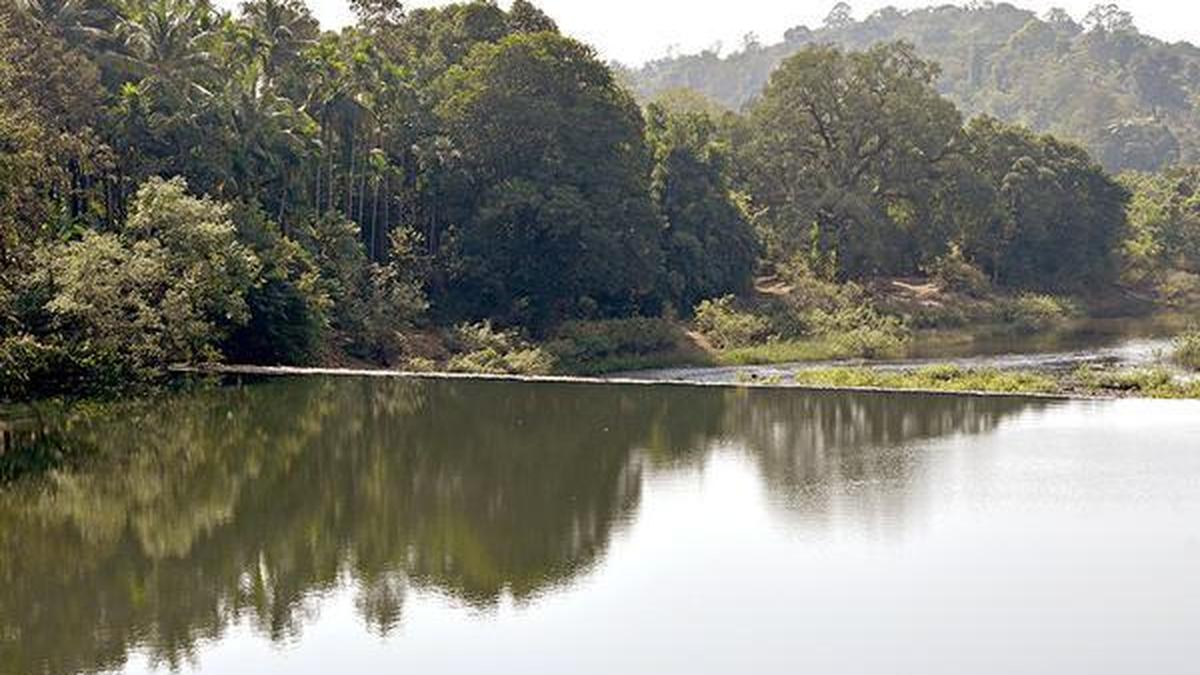
Trees have long been a significant part of human life, appearing in stories throughout Tanach, such as the stories of Adam and Eve in the Garden of Eden, Abraham receiving angelic visitors under a tree, and Jonah caring for his kikayon tree. The unique qualities of trees, such as their structure, personality, and individuality, reflect aspects of human beings.
The Torah draws a connection between trees and warfare due to the importance of trees during times of conflict. Preserving trees can counter the pressures that war creates. Planting trees today is an act of foresight, allowing future generations to benefit from their fruit and shade.
Written by urgent.news from Jerusalem Post's reporting — not their text. Machine-written — may contain errors; check the original before relying on it.