Were these polygonal cracks on Venus once on a seafloor?
Sprawling, huge cracks on Venus have long puzzled scientists. A new study suggests the polygon shapes formed from drying mud on an ancient seafloor. The post Were these polygonal cracks on Venus once on a seafloor? first appeared on EarthSky .
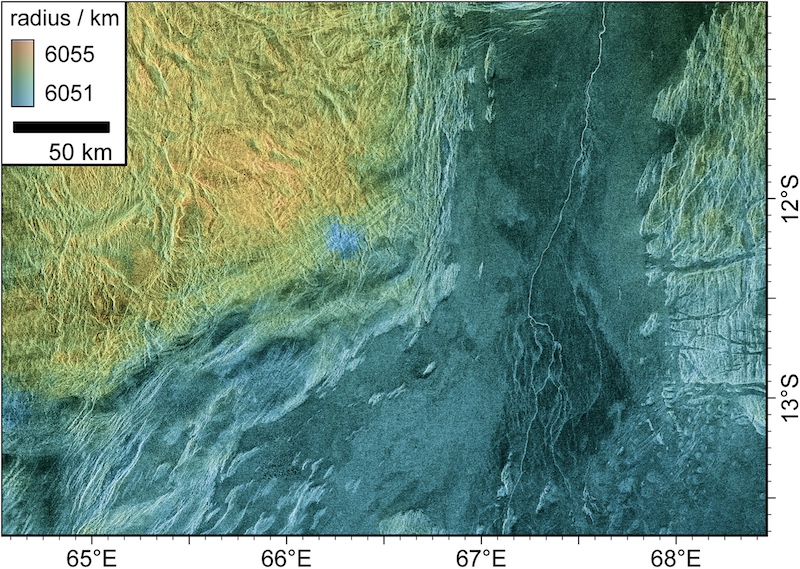
Venus, the second planet from the sun, is scorching hot with an average surface temperature of 464°C (867°F), due to a runaway greenhouse effect. Scientists have long debated the formation of polygonal cracks covering the planet's low-lying areas. One hypothesis suggests these cracks could have formed from drying mud on an ancient Venusian seafloor.
This intriguing idea is supported by similarities between the cracks and those found in dried seabeds on Earth. The study, published in Earth and Planetary Science Letters on July 29, 2026, suggests that as Venus' oceans evaporated, salty deposits and cracks formed, much like the ones seen in the Mediterranean Sea. However, this remains a hypothesis, as more research is needed to confirm the existence of ancient oceans on Venus.
Written by urgent.news from EarthSky's reporting — not their text. Machine-written — may contain errors; check the original before relying on it.