Wear now, pay later: the new rules of Southeast Asia’s indulgence economy
With its padded leather and gold “CC” lock, Coco Chanel’s instantly recognisable bag is practically part of the uniform for any self-respecting Bangkok property agent – an apt accessory for a city that recently edged into the top 10 anywhere for luxury spending. But in chastened economic times liquidity and luxury are no longer in lockstep, challenging many of those with expensive tastes to find…
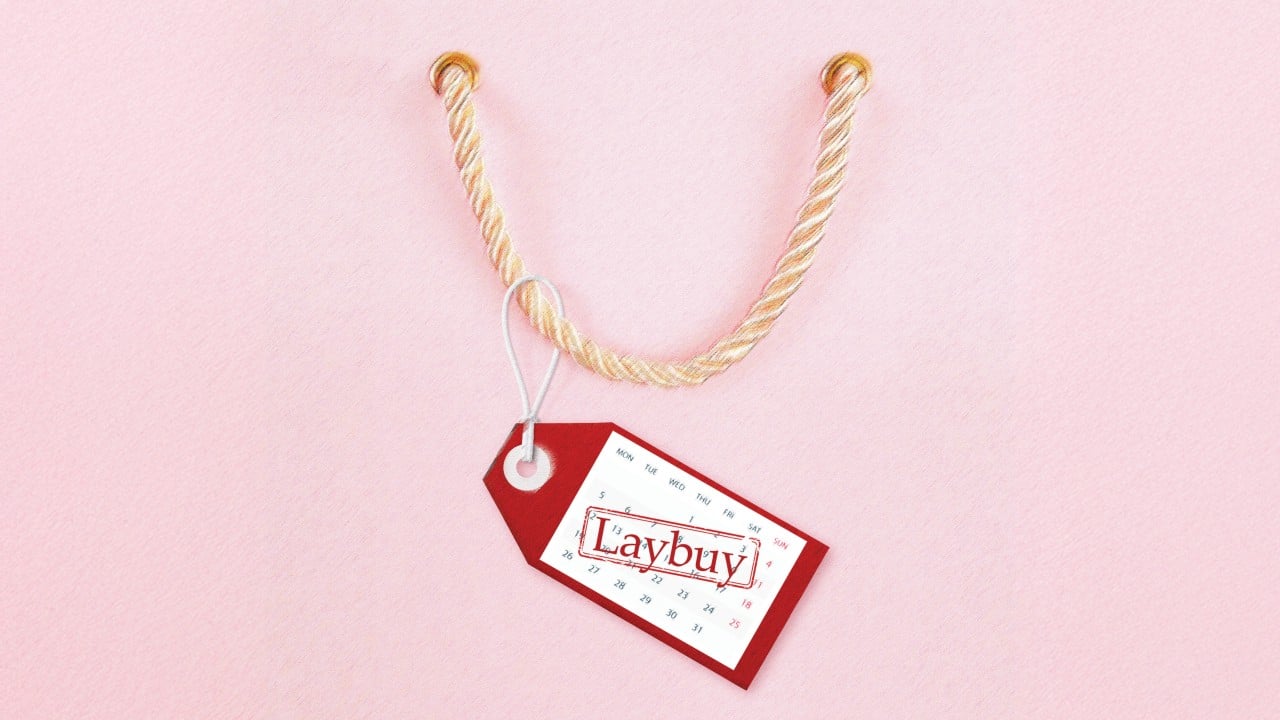
In the wake of economic challenges, luxury spending in Southeast Asia is evolving to accommodate the aspirations of a growing middle class. Property agents in Bangkok, for instance, are opting for designer accessories through installment plans, allowing them to balance luxury desires with financial responsibilities. This shift towards alternative luxury consumption methods, including live-streamed bargains, online resale markets, and installment purchases, reflects a resilient luxury economy that remains robust despite macroeconomic pressures.
Luxury brands are investing in Southeast Asia, recognizing the region's affluent consumers as a strategic growth opportunity. Thailand's luxury retail sector is projected to expand at a steady rate, with major players like Louis Vuitton and Dior expanding their presence in the country. The demand for luxury goods is not only strong but also accessible, as evidenced by the booming second-hand and resale markets and the growing popularity of installment plans.
Written by urgent.news from South China Morning Post's reporting — not their text. Machine-written — may contain errors; check the original before relying on it.