'We were five years ahead': the Nokia 9000 Communicator launched 30 years ago today — and squandering its smartphone lead will forever haunt Nokia's former CEO
The Nokia 9000 Communicator was a device ahead of its time, and we're exactly now three decades on from its debut. Here's how the world reacted, before Apple stole its crown.
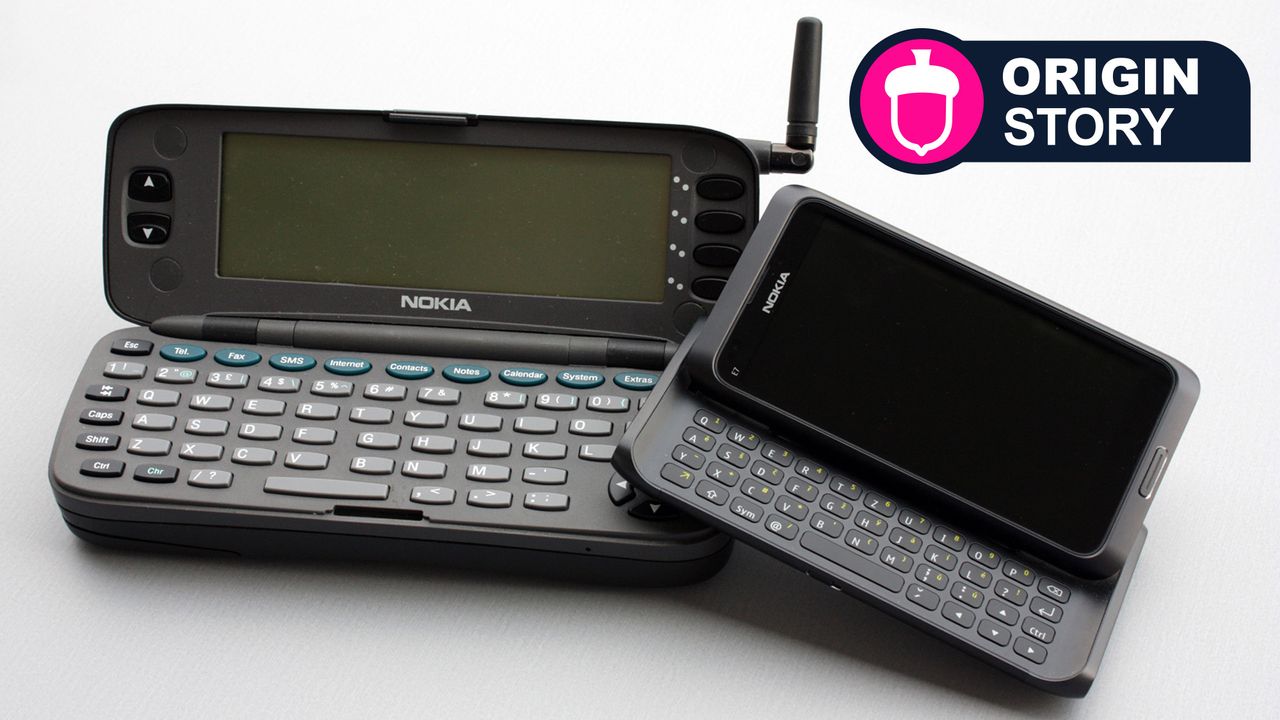
On August 15, 1996, Nokia unveiled the Nokia 9000 Communicator, a device that boasted email, fax, personal organizer, and wireless web access capabilities in one pocket-sized package. This phone, which looked like a chunky 1990s mobile, featured a 4.5-inch grayscale LCD screen and an Intel 386 processor, with 8MB of memory. The Communicator came with a range of applications, including a world-wide web browser, email client, fax machine, calendar, calculator, and world clock.
In a review for Personal Computer World, Simon Rockman highlighted the Communicator's capabilities, stating that it could carry the web in one's pocket, allowing users to look up information on the go. The device was also noted for its ability to dial into bulletin boards and corporate mainframes, making it a valuable tool for business users.
Despite its innovative features, the Nokia 9000 Communicator struggled to gain widespread popularity among consumers. The device was relatively expensive at £1,000 (about £1,355 / AU$1,910) and bulky for its time. As a result, it was primarily sold to business users and never reached the same level of success as the iPhone, which combined similar features in a more consumer-friendly package.
Nokia's former CEO, Jorma Ollila, expressed his disappointment that Apple had surpassed Nokia's vision for the Communicator. Nokia had even been developing color touchscreen handsets similar in size to an iPad, but failed to launch them in a timely manner. Despite its initial promise, the Nokia 9000 Communicator ultimately failed to capitalize on its innovative lead and remained a niche product, ultimately becoming a museum piece 30 years later.
Written by urgent.news from TechRadar's reporting — not their text. Machine-written — may contain errors; check the original before relying on it.