We, the people of India: 8 decades on, key judgments that shaped our rights, freedoms
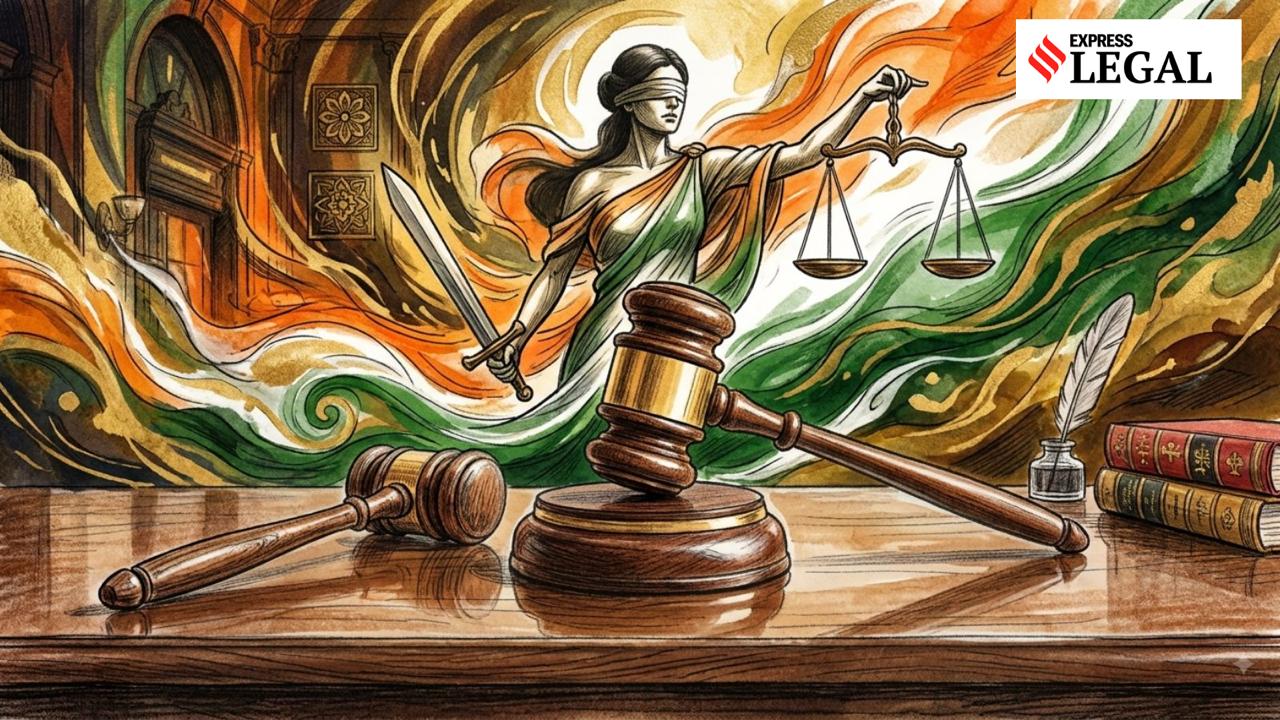
On August 15, India commemorates its 80th Independence Day. The Constitution's preamble reminds us that freedom belongs to the people, not the state. Our rights and liberties have been shaped by landmark court rulings over the past eight decades. The Indian courts have played a pivotal role in safeguarding individual rights, from fundamental freedoms to privacy, gender equality, and self-determination.
In Shreya Singhal v Union of India (2015), the Supreme Court struck down Section 66A of the IT Act, ruling it unconstitutional for violating freedom of speech under Article 19(1)(a). In Indian Express Newspapers v Union of India (1986), the court confirmed that freedom of the press includes the freedom from undue interference by the state.
Maneka Gandhi v Union of India (1978) established that the right to privacy is a fundamental right and an integral part of Article 21, along with equality before the law (Article 14), freedom of speech (Article 19), and the right to life and liberty (Article 21).
The National Legal Services Authority v Union of India (2014) recognized transgender persons as the "third gender," affirming their right to self-identify their gender. Navtej Singh Johar v Union of India (2018) decriminalized consensual same-sex relations by overturning Section 377 of the IPC. In K S Puttaswamy v Union of India (2017), the Supreme Court upheld privacy as a fundamental right and an intrinsic part of the right to life and personal liberty under Article 21.
Finally, in Shayara Bano v Union of India (2017), the court declared instant triple talaq unconstitutional, upholding the right to equality before the law.
Written by urgent.news from The Indian Express's reporting — not their text. Machine-written — may contain errors; check the original before relying on it.