Venezuela frees 131 prisoners amid post-Maduro transition talks
US secretary of state Marco Rubio said the release of the political prisoners in Venezuela is 'a crucial step for the nation's reconciliation process.'
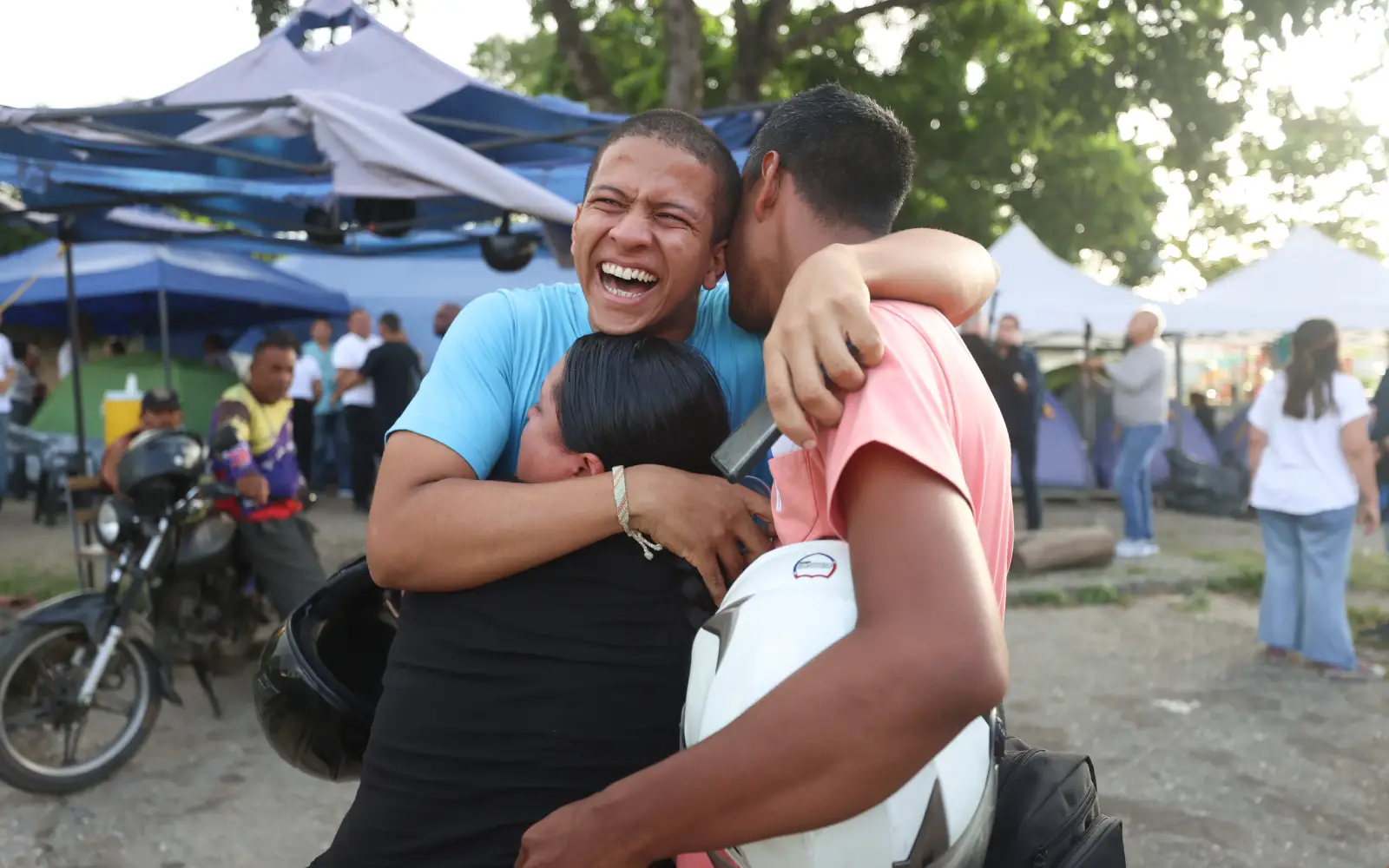
Venezuela released 131 individuals previously labeled as political prisoners, signaling a positive development in the country's efforts to reconcile following the ousting of President Nicolas Maduro by US forces. These 131 individuals were granted alternative measures to incarceration under the Program for Peace and Democratic Coexistence, according to the interim government.
The release of these political prisoners elicited scenes of joy among former inmates and their families at the El Rodeo 1 prison in Guatire, a town 50km east of Caracas. US Secretary of State Marco Rubio hailed the release of over 130 political prisoners as a "crucial step" for Venezuela's reconciliation process.
Since January 3rd, a total of 1,046 Venezuelans have been released, according to the Foro Penal rights group, which advocates for the release of alleged political prisoners. Six women were among the freed, including one who was accused of participating in an assassination plot against Maduro. The group later confirmed the release of at least 40 more political prisoners.
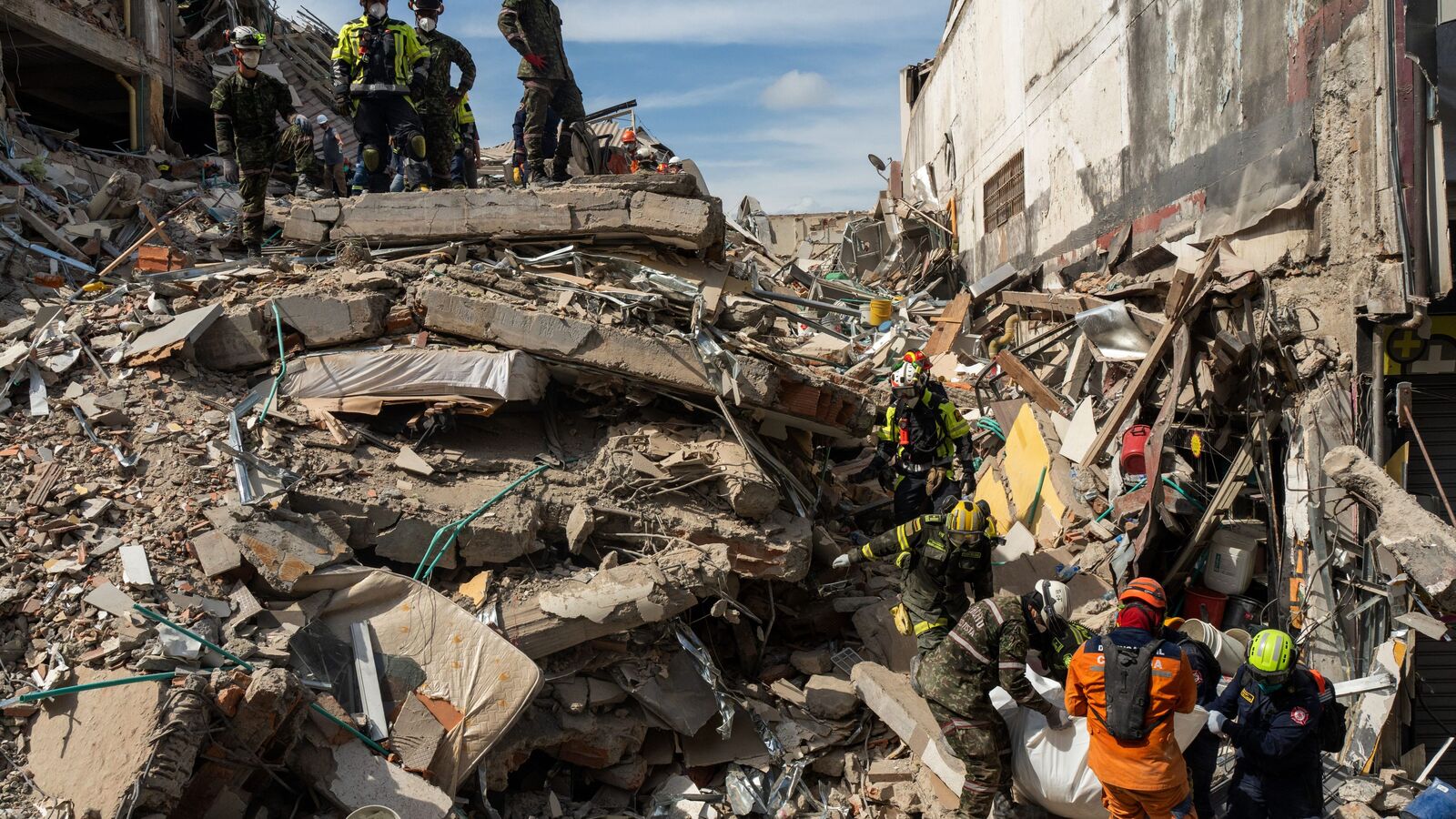
This move came a day after opposition figure Dinorah Figuera began talks with the interim government, aiming to secure the release of political prisoners. The initial phase of US-brokered talks commenced last week and concluded on Wednesday. Both sides pledged to work on recovering frozen funds from overseas to aid recovery from the devastating June earthquakes that killed over 6,300 people, as well as on reforming Venezuela's judiciary. However, the talks did not address the issue of political prisoners.
Maduro, who has been in power since 2013 with an increasingly authoritarian regime, was widely accused of imprisoning political opponents and activists on fabricated charges of coup plotting. In the weeks following Maduro's seizure by US forces in early January, the interim government, led by Deputy Delcy Rodriguez and under intense Washington pressure, allowed hundreds of prisoners to be freed. In February, the interim government also implemented a historic amnesty law.
As of Monday, Foro Penal reported that 391 political prisoners remained incarcerated. Figuera, speaking on X, emphasized that not everyone has been released and urged continued demands for every citizen to be reunited with their families. Among those released was Emirlendris Benitez, the director of Foro Penal, who had been arrested in 2018 for allegedly participating in a drone-assisted assassination plot against Maduro.
Benitez, who was four months pregnant at the time of her arrest, denied involvement in the plot but was sentenced to 30 years in prison. Human rights groups have stated that Benitez was tortured during her detention, resulting in a miscarriage and partial paralysis. The reconciliation talks between the government and opposition, facilitated by Figuera and Rodriguez's brother, National Assembly chief Jorge Rodriguez, have exiled opposition leader and Nobel Peace Prize laureate Maria Corina Machado notably absent.
Many Venezuelans express hope that the transition talks will lead to democratic elections, as Maduro's wins in the 2018 and 2024 elections were dismissed by the opposition and several foreign nations as fraudulent.
Written by urgent.news from Free Malaysia Today's reporting — not their text. Machine-written — may contain errors; check the original before relying on it.
Also reported by 1 other outlet
- Venezuela frees 131 prisoners amid post-Maduro transition talks freemalaysiatoday.com