US Inflation cools in July, but so do consumers with their spending
AgenciesThe economy, inflation and how those forces could impact the lives of Americans were front and center over the past week. Trips to the grocery store and gas station are mor...
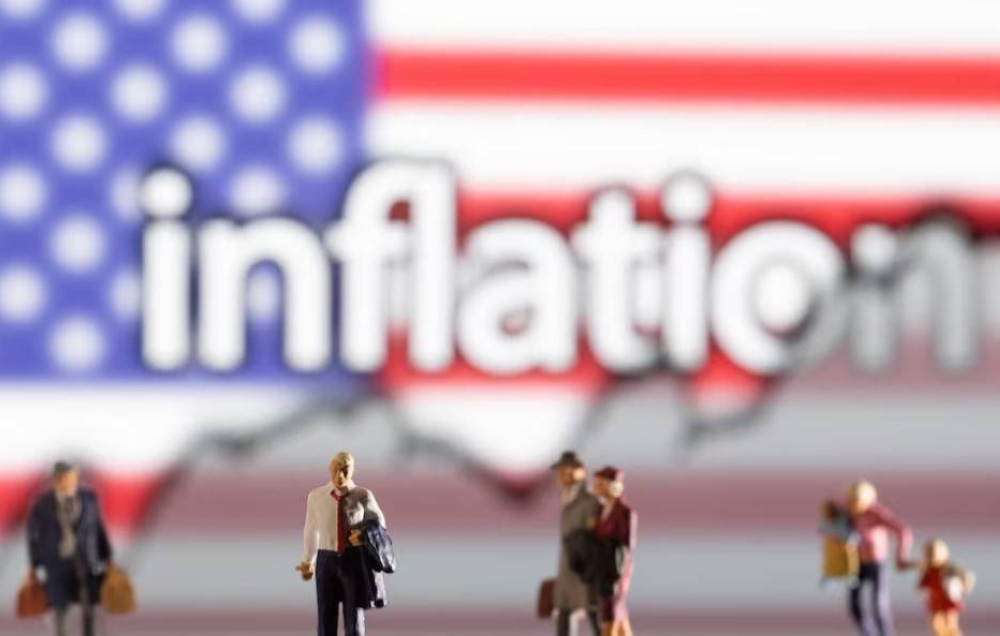
Over the past week, the U.S. economy, inflation, and their potential impact on everyday Americans dominated the headlines. Inflation has shown a slight cooling trend, but costs remain high. The Labor Department reported that consumer prices increased 3.4% in July from a year ago, a slight decrease from 3.5% in June. While this represents a modest reduction, it still signifies higher inflation compared to pre-Iran war levels, which stood at 2.4% in February.
On a monthly basis, prices only rose 0.1% from June to July, indicating a potential cooling of consumer inflation in the months ahead.
The Federal Reserve, grappling with the decision of whether to increase its key interest rate to curb inflation, maintained its rate at around 3.6%, despite a 9-3 vote split, with three dissenters advocating for a rate hike. American consumers unexpectedly decreased their spending in July, as the boost from government tax refunds dwindled.
Retail sales dropped 0.6% last month, the steepest decline since May 2025, following a revised increase of 0.2% in June. Excluding sales at gas stations and auto dealers, retail sales in July fell 0.2%, suggesting that the impact of tax refunds may have diminished in the latter part of the month.
Home sales also showed signs of slowing down in July. Existing home sales declined 1.7% from June to a seasonally adjusted annual rate of 4.06 million units, slightly above the expected 4.05 million pace. Home prices continued to reach unprecedented levels in July, with the U.S. median sales price increasing by 2% from the previous year to $434,100. Wholesale inflation decreased as gas prices partly offset the initial spike from the Iran war, indicating that consumer inflation may gradually decline in the coming months.
Meanwhile, the U.S. unemployment rate remains low at 4.1%, reflecting the economy's resilience despite the surge in energy prices caused by the conflict with Iran. However, the number of jobless claims rose to 209,000 last week, up from 200,000 the previous week and exceeding the forecasted 205,000. The four-week average of unemployment claims stabilized at 199,000, indicating a relatively stable job market.
Homebuyers face higher mortgage rates, even though the average 30-year fixed-rate mortgage fell to 6.67%, down from 6.69% last week. Despite this relief, borrowing costs remain higher than a year ago, potentially deterring prospective buyers due to the increased financial burden.
Written by urgent.news from Qatar Tribune Business's reporting — not their text. Machine-written — may contain errors; check the original before relying on it.