Turning end-of-life vehicles into resources for a circular economy
Rows of dusty, damaged, and stripped vehicles in Qatar’s industrial areas reflect a familiar part of urban life: cars that have reached the end of their useful lives, have been abandoned, or are await...
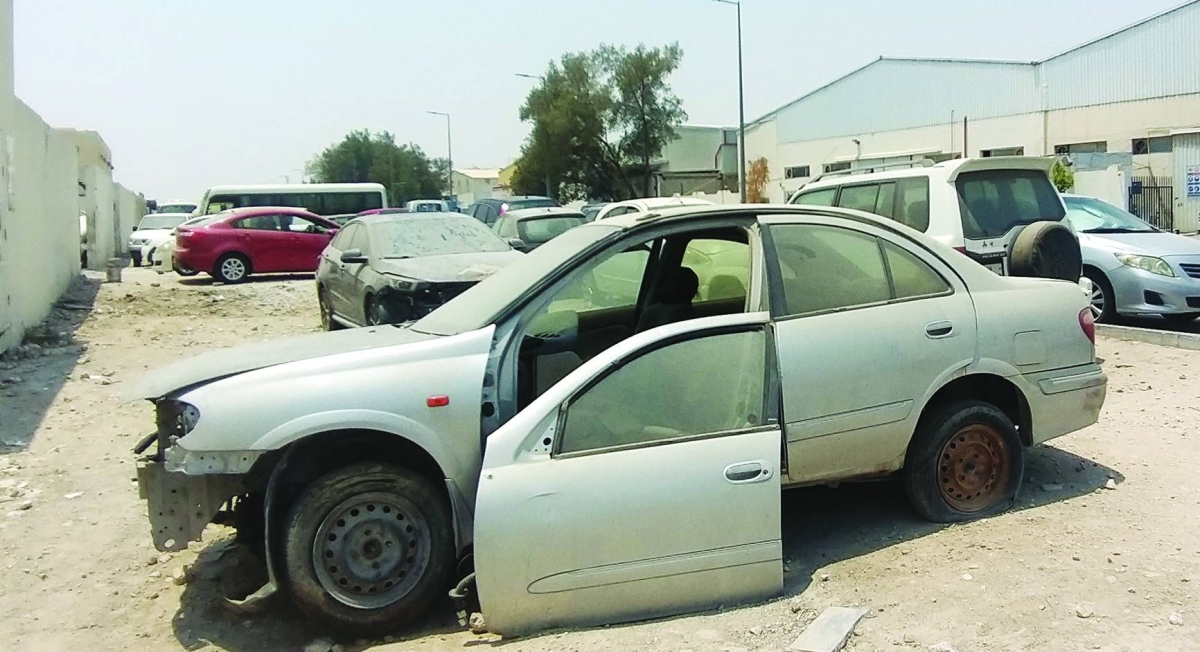
Abandoned cars clutter Qatar's industrial zones, serving as a reminder that vehicles eventually reach the end of their useful lives. However, these seemingly discarded vehicles hold hidden potential, according to a 2022 analysis of an end-of-life vehicle recycling system in Qatar. The Joint Committee for the Removal of Abandoned Vehicles, Machinery and Equipment reported that Qatar removed 7,144 old cars from public spaces in 2025, with 5,340 handed over to Al Mashaf Impound Centre and 1,804 to Umm Salal Impound Centre.
This disposal amounted to QR10.623mn in total value, underscoring the extent of vehicle surrender in Qatar. A QU-linked study published that same year unveiled a model for an end-of-life vehicle recycling network, capable of processing 22,904 cars per year and averting approximately 21,348 tonnes of carbon dioxide-equivalent emissions annually compared to the use of virgin materials.
Through dismantling and material sorting, the model identified steel, aluminium, copper, plastics, glass, tyres, and batteries as recoverable components. Components in usable condition could also be repurposed for reuse. While the study used a mix of actual data and estimates, it still highlights the range of materials that can be salvaged from end-of-life vehicles.
Steel constitutes a significant portion of a vehicle's weight, while aluminium, copper, plastics, glass, tyres, and batteries also possess recycling value. Usable components can be reused directly, further extending the vehicle's value. This aligns with circular-economy principles, which aim to keep materials and products in circulation for as long as possible, extracting value at the end of their service life.
Nevertheless, the study's figures should not be mistaken for current national recycling statistics in Qatar. Instead, they serve as a benchmark for assessing the potential scale of vehicle material recovery in the country. With 7,144 abandoned vehicles removed from public areas in a single year and disposed of worth QR10.6mn, these figures reveal the significant scale of vehicle disposal in Qatar.
The research adds a new layer to these statistics, indicating that the value of vehicles extends beyond the vehicles themselves to the materials they contain once they reach the end of their lives.
Written by urgent.news from Gulf Times's reporting — not their text. Machine-written — may contain errors; check the original before relying on it.