The Truths That Failed Jason Arday
Systemic, ritualized dishonesty undid the Cambridge professor.
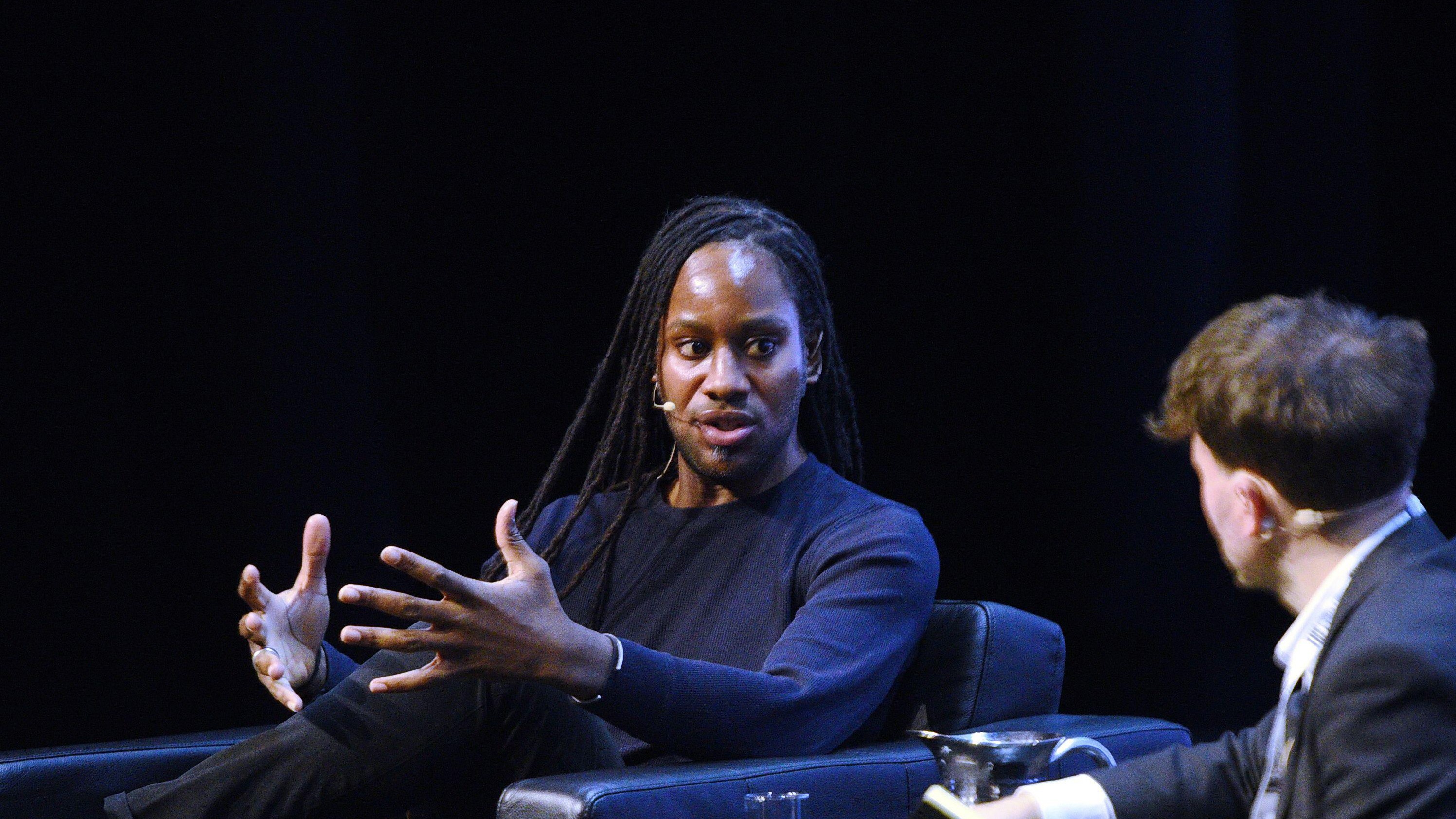
London, September 2026—Academic and author Jason Arday, the youngest Black professor in Cambridge’s 800-year history, was discovered dead. For weeks, he had faced accusations of plagiarism, fake qualifications, and a fabricated background, which included claims of being mute until age 11 and illiterate until 18. Arday had earned a Ph.D. by 30, but his story was riddled with inconsistencies.
His alleged medical conditions—autism, epilepsy, locked-in syndrome, testicular cancer, and a brain tumor—were just as questionable. The Cambridge academic had also claimed to be an endurance athlete, with accomplishments such as running 600 miles in six days. The rise of Jason Arday had been meteoric, but it was short-lived. Nathan Cofnas, a Cambridge researcher with an interest in race and IQ, published evidence of Arday's plagiarism last month.
As the truth emerged, Arday became the subject of intense scrutiny and criticism from the online community and British media. Even as Arday resigned from Cambridge, the relentless barrage of abuse continued on platforms like X. Following his death, the online community shifted to expressing condolences, but the author argues for treating Arday as a flawed human being rather than a mythical figure or an object of fascination.
This reconciliation demands acknowledging Arday's flaws and the systemic dishonesty that led to his downfall.
Written by urgent.news from The Atlantic's reporting — not their text. Machine-written — may contain errors; check the original before relying on it.