‘The Qualcomm chipset offers very good performance for still image processing, but for video, it’s not good enough’: Honor explains why it created a dedicated imaging chipset for its gimbal-equipped Robot Phone
In an interview with TechRadar, Honor explained why it developed a custom imaging chip to sit alongside the Snapdragon 8 Elite Gen 5 in the Robot Phone.
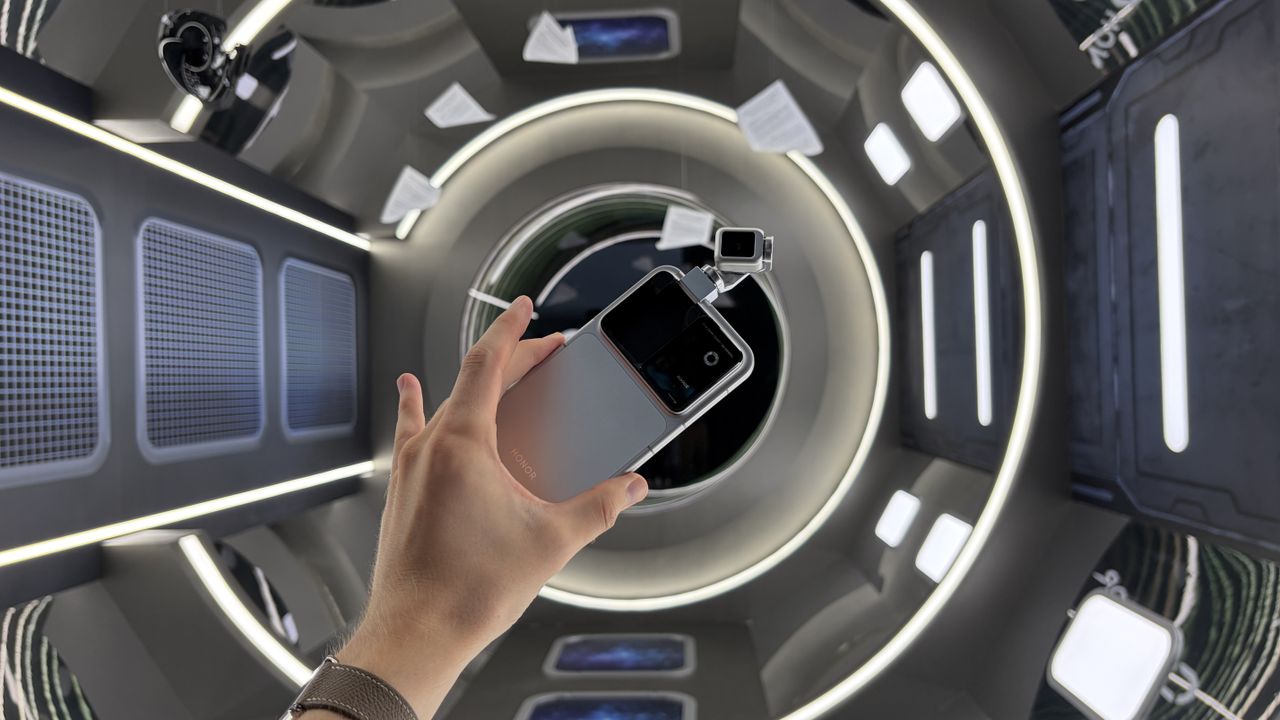
The Snapdragon 8 Elite Gen 5 chipset, found in the new Honor Robot Phone, is deemed insufficient for professional-grade video capture by Honor's President of Hardware Engineering, Yang Liu. This statement comes after the Snapdragon 8 Gen 3 chipset was released in 2023, with most users unable to notice a significant performance difference from the latest Qualcomm chipset, Snapdragon 8 Elite Gen 5.
The Snapdragon 8 Elite Gen 5 is indeed capable of handling still image processing, ranking among the best mobile chipsets for photo capture, thanks to its triple 20-bit ISPs. However, it falls short when it comes to video processing, necessitating a dedicated imaging chipset like Honor's H1 for the Robot Phone. This H1 Imaging Chip, developed in partnership with German film camera manufacturer ARRI, enables real-time on-device image processing and supports 10-bit ARRI LogC3 recording and ARRI Wide Gamut 3.
The H1 is a custom-made imaging chip tailored for the Robot Phone, providing the necessary processing power to uphold the high standards of ARRI. The Robot Phone features a 200MP main camera, 200MP telephoto, and 50MP ultra-wide, making it a formidable piece of micro-engineering. While the phone has some drawbacks, such as overheating after prolonged filming sessions and lacking durability, its unique video capabilities hold great promise for creators.
Written by urgent.news from TechRadar's reporting — not their text. Machine-written — may contain errors; check the original before relying on it.
Also reported by 3 other outlets
- HONOR Robot Phone hands-on: I can’t believe it actually works this well! androidauthority.com
- 'Americans only dream of phones like these' — the Honor Robot Phone is going viral, and commenters are calling it an 'innovation light-years ahead of iPhone' techradar.com
- Honor’s Robot Phone is a bold new take on the smartphone: Here’s what makes it special indianexpress.com