The Most Important Thing AI Can’t Do in Medicine
Great physicians are curious about the patient in front of them, and that curiosity is what drives them to dig deeper, writes Dr. Natasha Chida.
During my early medical training at the University of Miami, I encountered a patient who had been suffering from abdominal pain and constipation. My supervising physician and I decided that the patient likely had irritable bowel syndrome, but he paused and noticed the patient wasn't making eye contact. He gently asked the patient if she was worried, to which she finally revealed that her sister had been diagnosed with stage 4 colon cancer.
The two of them discussed the patient's fears about her own health and the future of her cancer screening. By the end of the visit, the patient's expression had improved, and I realized the importance of understanding the patient's emotional state. This experience taught me that medicine is not solely about processing information, but also about observing and connecting with the patient - a skill that artificial intelligence cannot replicate.
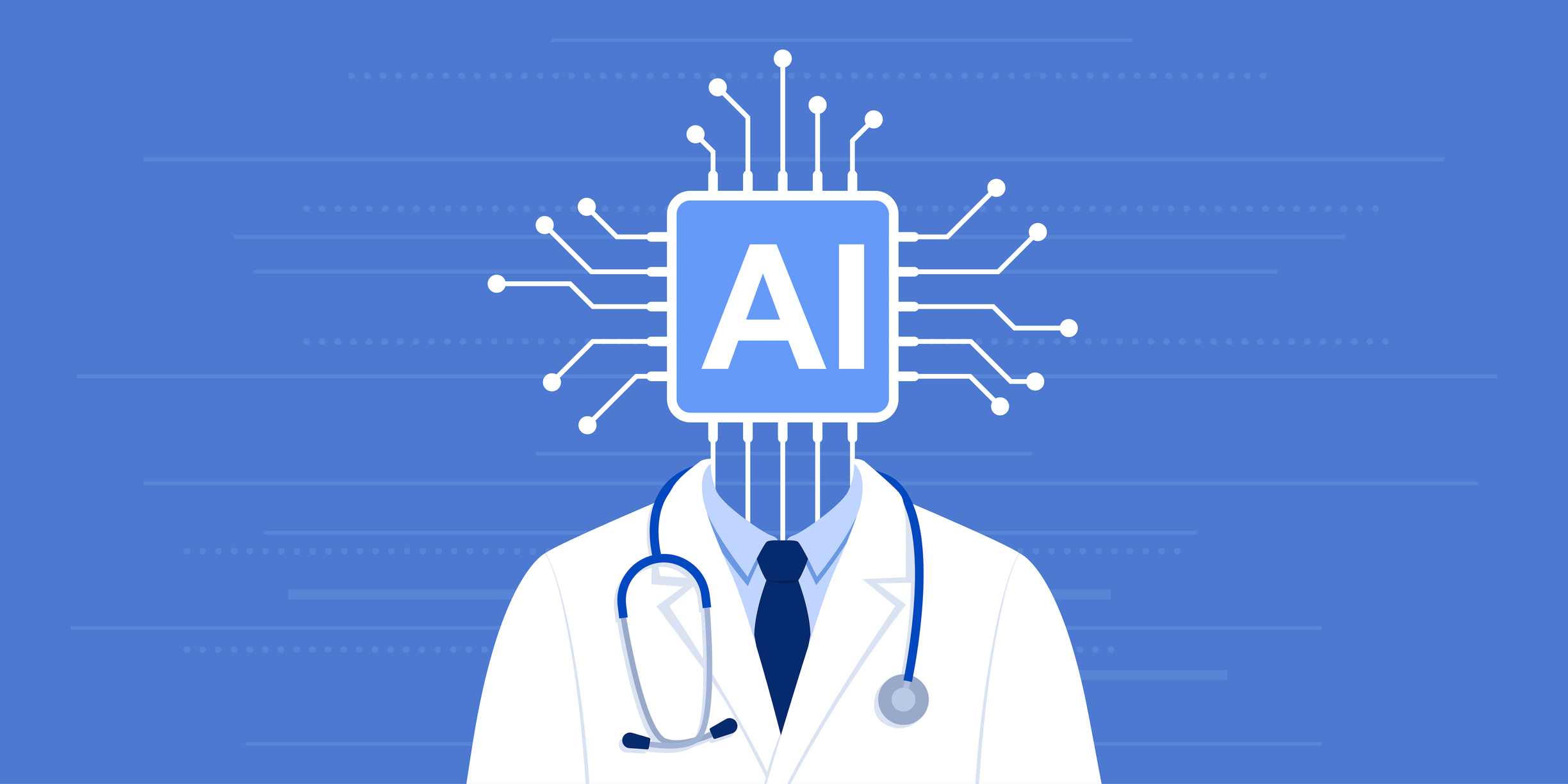
AI excels at processing data, but it cannot decide what deserves attention or develop the human connection that is crucial in medical care. While AI can assist doctors in tasks like documentation and generating differential diagnoses, it cannot replace the unique skills and attributes that define great physicians, such as curiosity, careful observation, expert communication, and physical exam mastery.
To ensure that AI enhances rather than diminishes the patient experience, healthcare systems and educators must work together to prioritize the development of these crucial skills in physicians. This involves reimagining medical education to focus on cultivating the "soft skills" that have long distinguished great doctors, and encouraging people with these qualities to pursue careers in medicine.
By striking a balance between leveraging AI's capabilities and preserving the human touch in healthcare, we can strive to create a medical system that recognizes and values the importance of the patient-physician relationship.
Written by urgent.news from Time's reporting — not their text. Machine-written — may contain errors; check the original before relying on it.