The king of the Andes: How a village learned to coexist with condors
PÁRAMO EL ALMORZADERO, Colombia — Doris Torres is a sheepherder who grew up seeing Andean condors as enemies. In this remote village high in the Colombian Andes, the birds were blamed for livestock losses and often killed through poisoning or shooting — persecution that helped push their population to the brink. But as Torres learned […]
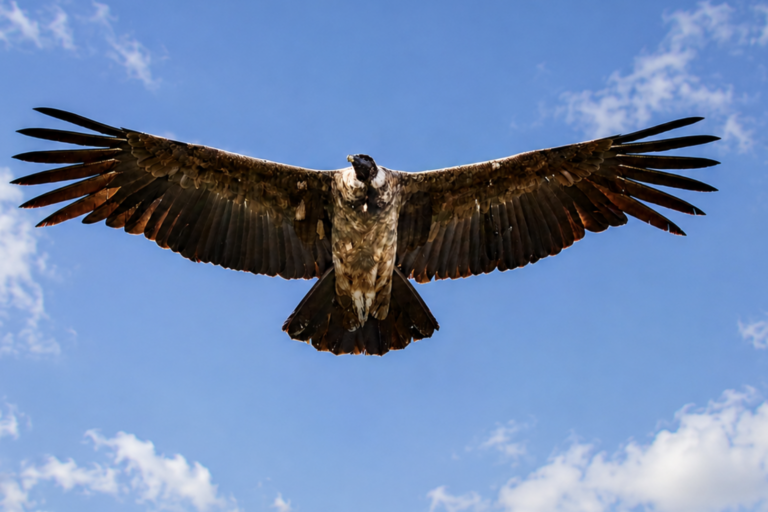
PÁRAMO EL ALMORZADERO, Colombia — Doris Torres once viewed Andean condors as adversaries. In this remote community nestled high in the Colombian Andes, these majestic birds were held responsible for livestock losses and frequently met a grim fate through poisoning or shooting. This relentless persecution had driven the condor population to the brink of extinction.
However, as Torres gained a deeper understanding of the condor and its vital role in the Andean ecosystem, her perception began to shift. She emerged as an unexpected conservationist and became a pivotal figure in a grassroots initiative aimed at restoring condors to these mountains.
Collaborating with Fernando Castro from the Parque Jaime Duque Foundation, Torres and other villagers transformed a longstanding conflict into a model of harmonious coexistence. What was once animosity towards the condor has evolved into fierce protection of this species, forging a rare sanctuary for one of Colombia's most endangered raptors.
Now, condors grace the skies once again over the páramo, and the community is preparing for the next milestone: welcoming young condors bred in captivity by Castro and his team in Bogotá. Through artificial incubation and condor-shaped hand puppets, the team endeavors to release a minimum of three juvenile condors into the wild by the end of 2027.
Written by urgent.news from Mongabay's reporting — not their text. Machine-written — may contain errors; check the original before relying on it.