The ghost bus of West London: Phantom No 7 linked to 1934 fatal crash
The legend of the phantom Number 7 bus haunts a road in North Kensington, intertwining with a tragic accident from 1934. While records confirm a real collision, the ghostly narrative surrounding it likely evolved before the crash, gaining traction over time. Urban legends often blend factual events with myth, creating a fascinating tapestry of history and folklore.
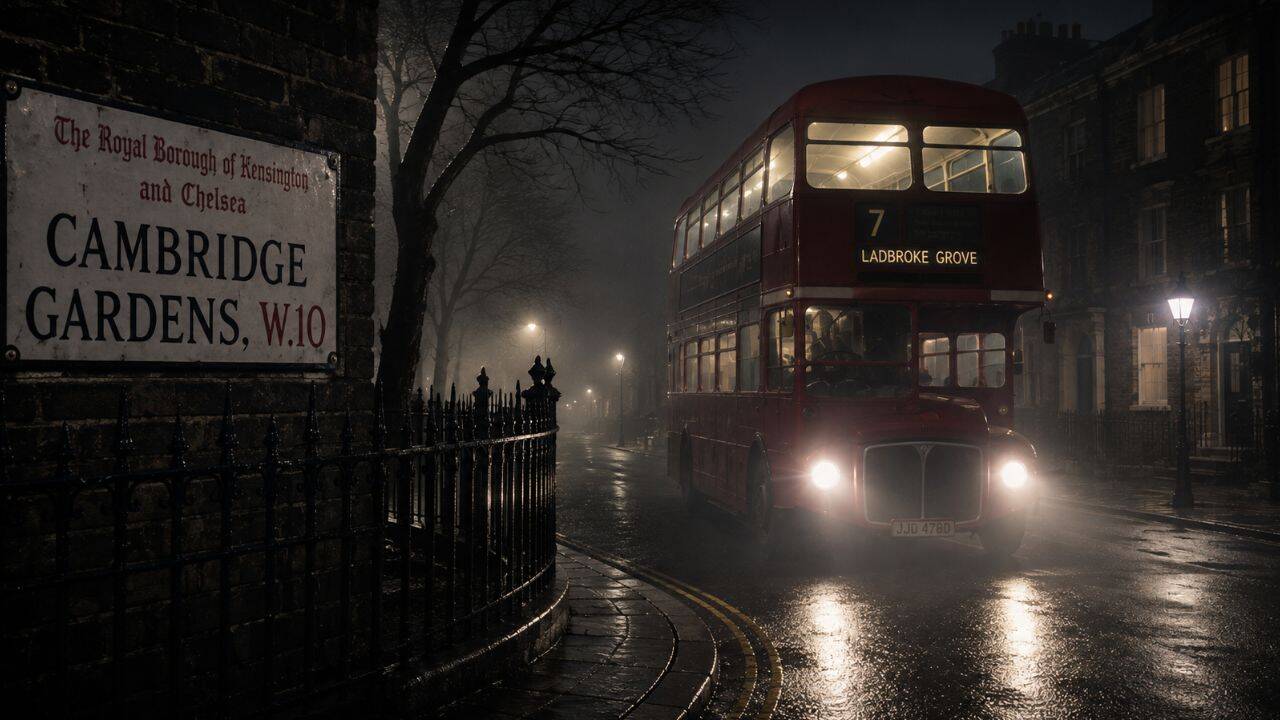
In the early hours of the morning in North Kensington, a red double-decker bus would suddenly appear on Cambridge Gardens and St Mark's Road, seemingly travelling at speed with no driver or passengers visible. The bus would then vanish without explanation, leaving witnesses puzzled. This tale of the ghostly No 7 bus has been passed down through generations as part of London's folklore, but the question remains: was there ever a real bus involved?
The most famous connection to the legend was a fatal road accident in June 1934. A 25-year-old man named Beaton died after his small car collided with a Rolls-Royce driven by chauffeur George Pink at the junction of Cambridge Gardens and St Mark's Road. The crash resulted in Beaton's death and injuries to his passenger, Margaret Sim. An inquest concluded the accident was accidental, and Pink was exonerated.
However, the existence of a "ghost bus" is not supported by solid contemporary evidence. Accounts of the phantom bus suggest it was already circulating in local folklore before the 1934 crash, indicating the story was likely an explanation for a mysterious incident that had already taken place. The mention of a specific bus number, the No 7, helped make the story more plausible, as there is a real London bus route numbered 7 that serves the North Kensington area.
Modern accounts often include a precise time for the bus's appearance, 1:15am, but this detail is not securely established in the earliest newspaper reports. Historian and paranormal researcher Jonathan Miles suggests this and other specific details were likely added through subsequent retellings of the story, making it sound more authentic while not based on original evidence.
Written by urgent.news from Times of India's reporting — not their text. Machine-written — may contain errors; check the original before relying on it.