RPG companions need to be hateable, otherwise nobody's going to love them
You're in this together.
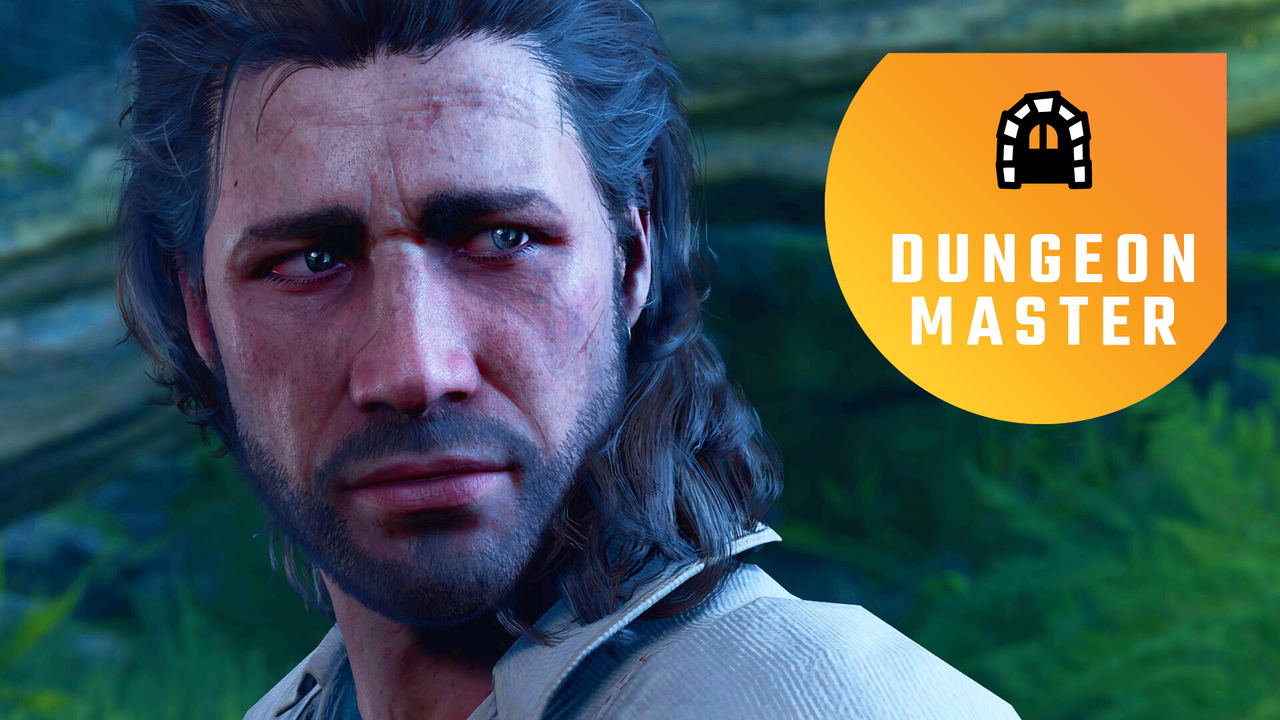
In the world of role-playing games (RPGs), companions play a crucial role in shaping the narrative and player experience. While some writers may shy away from making their companions unpleasant or flawed, doing so can actually enhance the story and make the game more engaging. In the case of Baldur's Gate 3, Larian Studios' developers weren't afraid to create characters that are actively hostile or turn against the player.
This choice adds depth and realism to their characters, making them more memorable and relatable. For example, Gale, a romance option in Baldur's Gate 3, reacts poorly when he receives feedback on his performance in the bedroom. Instead of sulking or making a public apology, he takes it to an extreme level by threatening to self-destruct.
This reaction showcases his insecurity and vulnerability, making him a more three-dimensional and interesting character. By embracing the flaws of their companions, RPGs can create a more dynamic and unpredictable world, where players are constantly challenged and questioned.
Written by urgent.news from PC Gamer's reporting — not their text. Machine-written — may contain errors; check the original before relying on it.