‘Poop Pills’ Show Promise for Severe Peanut Allergy, Early Research Shows
elzauer/Moment/Getty Images A preliminary study found that “poop pills” — oral fecal microbiome transplantation (FMT) — increased tolerance to peanuts in some adults with a peanut allergy. Researchers found similar results in mice, with a certain type of gut bacteria playing a key role. While the findings are promising for future trials, it’s too soon to recommend FMT as a treatment for peanut…
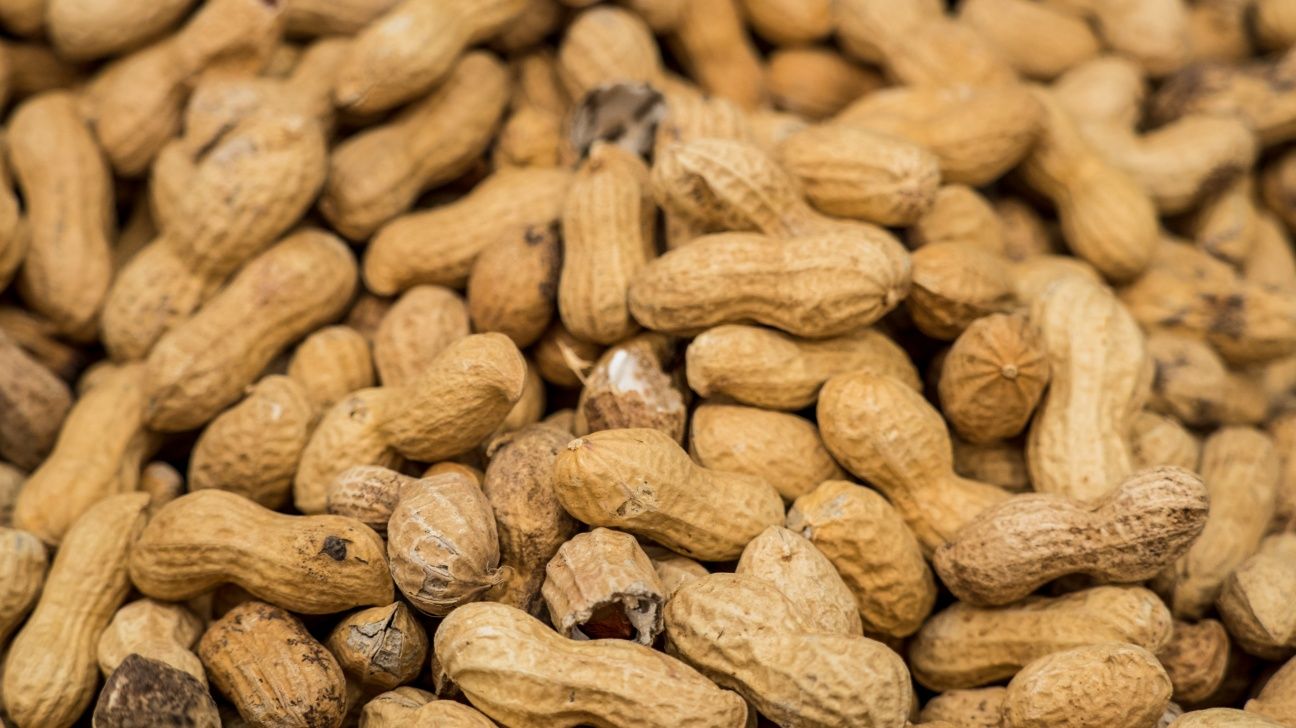
A new study published in Science Translational Medicine suggests that "poop pills" or fecal microbiome transplantation (FMT) may help increase tolerance to peanuts in adults with severe peanut allergies. The research, involving 15 participants, found that 6 of the individuals experienced increased tolerance to peanuts after receiving FMT from healthy donors.
This double-blind, placebo-controlled trial was conducted in two stages, with four months separating the two stages. In the first stage, 10 participants received FMT, while in the second stage, 5 participants who had taken antibiotics prior to FMT were included. Researchers noted that FMT increased the number of immune cells called RORγt+ regulatory T cells, which play a key role in regulating the immune system.
While the findings are promising, it's too early to recommend FMT as a standard treatment for peanut allergies. The study's lead author, Dr. Rima Rachid, emphasized the need for further research to evaluate the safety and efficacy of FMT in a larger, more diverse population. Bakhtiar, a general practitioner, also noted that the study's findings should be viewed as an early signal, rather than a definitive change in practice.
Written by urgent.news from Healthline News's reporting — not their text. Machine-written — may contain errors; check the original before relying on it.