Opposition walkouts may win headlines but lose the debate
KUALA LUMPUR: Opposition walkouts may deliver powerful visuals and generate headlines, but their effectiveness as a parliamentary weapon depends on whether they turn into meaningful political or institutional pressure.
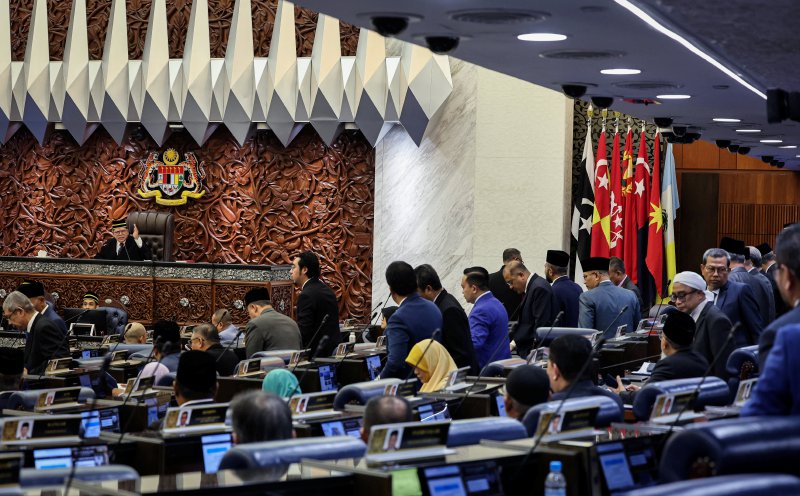
Opposition walkouts during parliamentary sessions may garner media attention and generate headlines, but their effectiveness in influencing legislative outcomes is limited, according to political analysts. Opposition parties often use walkouts to protest contentious legislation or parliamentary procedures, but this tactic also restricts their ability to question the government, challenge its position, and record objections in the official record.
The recent walkout during the Dewan Rakyat sitting to discuss the Royal Commission of Inquiry report on Tabung Haji is a case in point. Several opposition MPs walked out when their bid to postpone the sitting was rejected, citing the importance of Anwar Ibrahim's presence. However, opposition chief whip Takiyuddin Hassan argued that the issue warranted the prime minister's attendance, and that a ministerial briefing could be conducted without his presence.
When the sitting proceeded with other ministers present, several opposition MPs left the chamber. Political scientists contend that while walkouts can be a legitimate form of political protest, they have limited impact on parliamentary proceedings if they do not result in meaningful action or accountability. Some argue that remaining in the chamber would have been a stronger strategy for the opposition, as they could have recorded their objections in Hansard and challenged the report with facts and arguments.
Despite the limited institutional impact of walkouts, they may still achieve their primary purpose of drawing public attention to the opposition's concerns.
Written by urgent.news from New Straits Times's reporting — not their text. Machine-written — may contain errors; check the original before relying on it.