Open-weight Chinese AI models gain foothold in Europe despite Brussels’ trepidation
European businesses are increasingly weighing whether cheap but capable Chinese artificial intelligence systems represent a new threat to the continent’s technological sovereignty or a practical tool to strengthen it. While using Chinese technology might seem counterintuitive to Europe’s goals, running open-weight Chinese models on local servers can actually give firms greater operational control…
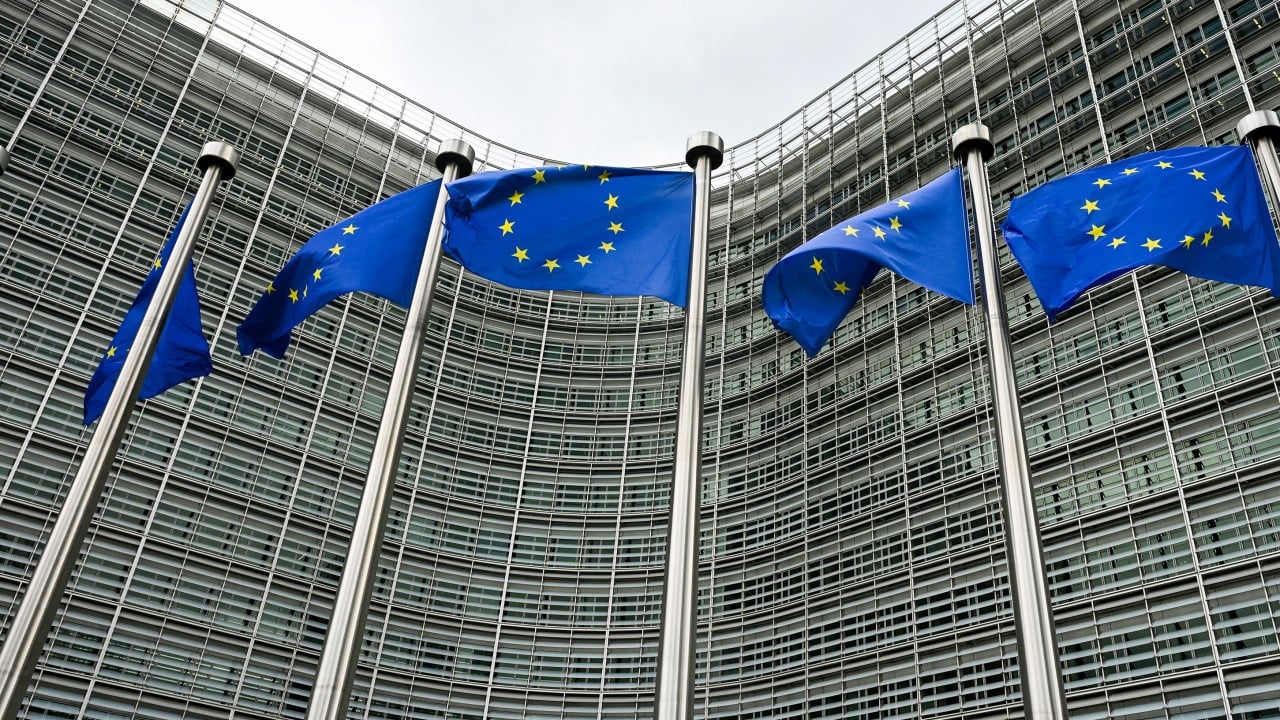
European businesses are weighing the potential risks and benefits of adopting powerful Chinese artificial intelligence systems. While such models could be seen as a threat to Europe's technological independence, using open-weight Chinese models on local servers might actually enhance operational control for companies, according to Volker Pfirsching, a Munich-based consultant.
He explained that an open-weight model developed in China, operated on European infrastructure with data remaining under the company's control, could provide greater operational sovereignty than relying on a proprietary foreign model that can be altered, re-priced, or withdrawn remotely.
The flexibility of open-weight systems allows businesses to deploy technology where and how they choose, keeping sensitive data on European soil and under corporate supervision. However, this approach may introduce new supply-chain dependencies, complicating Brussels' goal of technological self-reliance.
Chinese AI companies are capitalizing on this demand, with Shenzhen-based Xunce Technology partnering with European provider Lutech to bring its TokenOS platform to Europe and create an "AI token factory" tailored to European data regulations. Major European companies like Siemens are also experimenting with Chinese foundation models, such as DeepSeek and Alibaba Group Holding's Qwen, for specific applications.
Despite the growing interest, Chinese models face regulatory challenges in Europe. Under the General Data Protection Regulation, companies transferring personal data to China-based entities must implement strict legal safeguards and demonstrate equivalent protection levels. Recent regulation enforcement on TikTok's data transfers to China has heightened scrutiny.
European enterprises are thus adopting a balanced strategy, combining American, European, and Chinese AI models to mitigate single-supplier risks. Pfirsching believes Chinese models will become a significant part of this portfolio due to their competitive performance and efficiency. Europe's goal is not technological autarky but ensuring sufficient alternatives so no single ecosystem becomes indispensable.
Written by urgent.news from SCMP Tech's reporting — not their text. Machine-written — may contain errors; check the original before relying on it.